What Happened
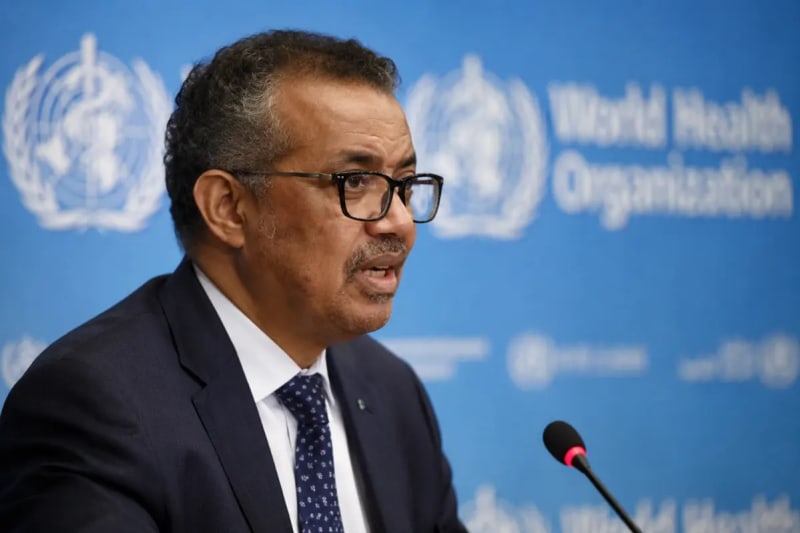
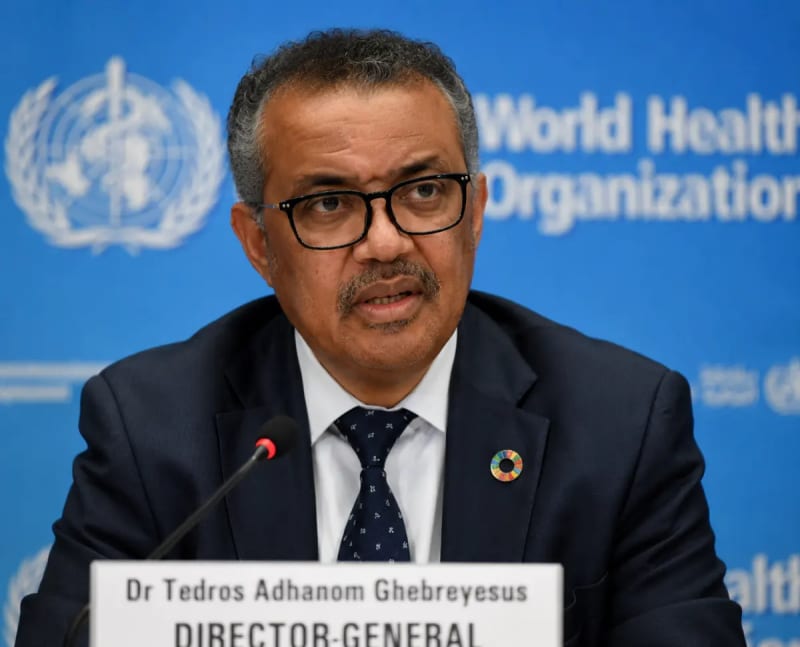
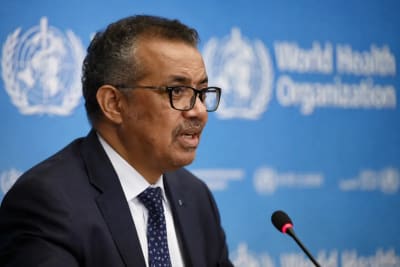
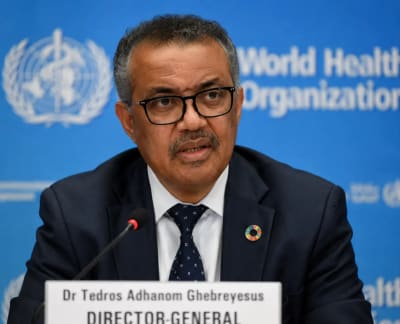
During an interview on Arise Television’s Morning Show, Dr Chikwe Ihekwuazu, a leading figure in global health emergencies, issued a stark warning about the risks of Ebola outbreaks in Nigeria and other African countries. He identified three critical barriers to effective containment: weak healthcare infrastructure, insufficient public health resources, and a pervasive lack of trust in government institutions. These factors, he argued, could accelerate transmission and complicate response efforts.
Why Public Health Officials Are Concerned
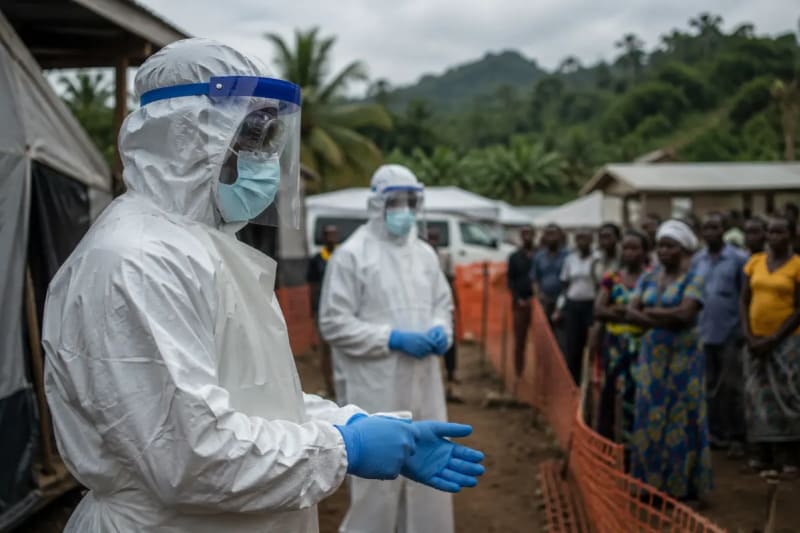
Ebola is not just a medical challenge but a systemic one. The 2014, 2016 West African outbreak, which claimed over 11,000 lives, revealed how quickly the virus could overwhelm fragile health systems. Hospitals lacked basic protective equipment, contact tracing was inconsistent, and misinformation spread faster than the disease itself. Today, many of these vulnerabilities persist. In Nigeria, for example, primary healthcare centres often operate without reliable electricity, running water, or trained personnel, critical components for infection control.
Public trust, or the lack of it, compounds the problem. In previous outbreaks, communities resisted quarantine measures, hid symptomatic individuals, or avoided treatment centres due to fear and misinformation. When people distrust authorities, they are less likely to report symptoms, seek care, or comply with public health directives. This breakdown in communication can turn a manageable outbreak into a full blown crisis.
Who May Be Affected
The risks extend far beyond Nigeria. Countries with similar healthcare gaps, such as the Democratic Republic of the Congo, South Sudan, and parts of Central and West Africa, remain highly vulnerable. Healthcare workers are on the front lines and face disproportionate risks. During the 2014 outbreak, nearly 900 health workers were infected, and over 500 died. Without adequate protective measures, this pattern could repeat.
Urbanisation and population mobility further heighten the threat. Cities like Lagos, Kinshasa, and Nairobi are densely populated, with informal settlements where sanitation is poor and healthcare access is limited. A single undetected case in such an environment could spark rapid transmission, making early detection and containment nearly impossible.
Government and WHO Response
WHO has been working with African governments to strengthen outbreak preparedness through initiatives like the Regional Strategic Plan for Health Security. This includes training healthcare workers, stockpiling personal protective equipment, and improving laboratory capacity for rapid diagnosis. In Nigeria, the Nigeria Centre for Disease Control has established an Emergency Operations Centre and conducted simulation exercises to test response readiness.
However, Ihekwuazu stressed that these efforts are not enough. Sustainable funding, political commitment, and community engagement are essential to build long term resilience. He called for a shift from reactive crisis management to proactive health system strengthening, including investments in primary care, disease surveillance, and public health education.
Prevention and Safety Guidance
For individuals in high risk regions, prevention remains the best defence. Key measures include:
- Avoiding contact with blood, bodily fluids, or tissues of infected individuals or animals.
- Practising strict hand hygiene with soap and water or alcohol based sanitiser.
- Seeking immediate medical attention if symptoms such as fever, fatigue, muscle pain, or unexplained bleeding develop.
- Following public health advisories and avoiding areas with active outbreaks.
Healthcare workers must adhere to infection prevention and control protocols, including the use of personal protective equipment, safe burial practices, and proper waste disposal. Community leaders and local organisations play a crucial role in dispelling myths and encouraging cooperation with health authorities.
What Readers Should Know
Ebola is not an inevitable disaster. With the right investments and strategies, outbreaks can be prevented or contained before they spiral out of control. The warning from WHO is not just a call to action for governments but a reminder to communities, healthcare providers, and international partners. Strengthening health systems is not only about fighting Ebola, it is about building the capacity to respond to any health threat, from Lassa fever to future pandemics.
For now, vigilance is critical. Early detection, transparent communication, and community trust are the cornerstones of effective outbreak response. The question is not whether another Ebola outbreak will occur, but whether the world is prepared to stop it in time.
Key Takeaways
- Weak healthcare infrastructure, limited resources, and low public trust in government institutions create significant barriers to containing Ebola outbreaks in Nigeria and other African countries.
- Urbanisation and population mobility increase the risk of rapid transmission, particularly in densely populated cities with poor sanitation and healthcare access.
- Prevention relies on avoiding contact with infected individuals or animals, practising strict hand hygiene, and following public health advisories.
- Sustainable investment in healthcare systems, community engagement, and outbreak preparedness is essential to prevent future crises.
Frequently Asked Questions
What makes Ebola so difficult to contain in Africa?
Ebola spreads rapidly in regions with weak healthcare systems, poor infrastructure, and low public trust. Hospitals may lack basic supplies, contact tracing is often inconsistent, and misinformation can lead to community resistance against health measures.
How can individuals protect themselves from Ebola?
Avoid contact with blood or bodily fluids of infected people or animals, practice regular hand hygiene, and seek medical care immediately if symptoms like fever, fatigue, or unexplained bleeding appear. Follow local health advisories and avoid areas with active outbreaks.
What is WHO doing to help African countries prepare for Ebola?
WHO is working with governments to strengthen health security through training, stockpiling protective equipment, improving laboratory capacity, and conducting simulation exercises. However, long term investment in healthcare systems and community trust is needed for sustainable preparedness.
Why is public trust important in controlling Ebola outbreaks?
When communities distrust authorities, they are less likely to report symptoms, seek treatment, or comply with quarantine measures. This can lead to hidden transmission chains and delayed containment efforts, worsening the outbreak.
Medical Review: MedSense Editorial Board









DISCUSSION (0)
POST A COMMENT