
Every year, contaminated food silently claims 1.5 million lives worldwide, a toll that often escapes public attention despite its devastating impact on health systems and economies. New data from the World Health Organization reveals that foodborne diseases cause an estimated 866 million illnesses annually, with children under five shouldering a disproportionate burden. While this age group represents just 9% of the global population, they account for nearly one third of all foodborne cases, many of which result in severe diarrheal illnesses that can turn fatal. The findings, released ahead of World Food Safety Day, underscore the urgent need for stronger food safety measures, particularly in regions where healthcare infrastructure remains fragile.
What Happened
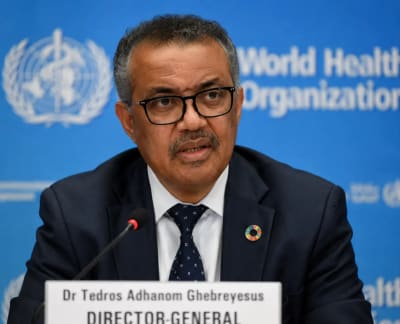
The World Health Organization has released alarming new data on the global burden of foodborne diseases, revealing that unsafe food is responsible for 1.5 million deaths and 866 million illnesses each year. The report, published ahead of World Food Safety Day on June 7, highlights how contaminated food disproportionately affects vulnerable populations, particularly young children. The findings serve as a stark reminder that food safety is not just a matter of quality but a critical public health priority.
Why Public Health Officials Are Concerned
Foodborne illnesses extend far beyond temporary discomfort. They strain healthcare systems, disrupt economic productivity, and deepen inequalities in low and middle income countries where sanitation and food handling standards may be inadequate. The WHO data shows that children under five, despite making up a small fraction of the global population, suffer nearly 30% of all foodborne disease cases. Many of these illnesses lead to severe dehydration, malnutrition, and long term developmental challenges, creating a cycle of poor health that can persist into adulthood.
In regions with limited access to clean water and healthcare, foodborne pathogens such as Salmonella, E. coli, and norovirus spread rapidly. The economic impact is equally concerning. The WHO estimates that foodborne diseases cost low and middle income countries billions of dollars annually in lost productivity and healthcare expenses, further hindering development efforts.
Symptoms or Risk Factors
Foodborne illnesses typically present with symptoms such as nausea, vomiting, diarrhea, abdominal cramps, and fever. In severe cases, they can lead to organ failure, neurological damage, or death. Children, the elderly, pregnant women, and individuals with weakened immune systems are at highest risk of complications. Common sources of contamination include undercooked meat, unpasteurized dairy, raw produce, and improperly stored food. Cross contamination during food preparation and poor hygiene practices also play a significant role in the spread of these diseases.
Who May Be Affected
While foodborne illnesses pose a risk to everyone, certain groups face heightened vulnerability. Children under five are particularly susceptible due to their developing immune systems and lower body weight, which makes them more prone to severe dehydration. In many parts of Africa and South Asia, where food safety regulations may be less stringent, the risk of exposure to contaminated food is significantly higher. Additionally, populations in conflict zones or areas affected by natural disasters often lack access to safe food and clean water, further increasing their risk.
Government or WHO Response
The WHO is calling for a coordinated global response to improve food safety standards, strengthen surveillance systems, and enhance public awareness. World Food Safety Day, observed annually on June 7, serves as a platform to advocate for policies that reduce foodborne risks. The agency emphasizes the need for governments to invest in food safety infrastructure, including better sanitation, improved food handling practices, and stricter regulatory oversight. Training for food handlers, from farm workers to street vendors, is also critical to preventing contamination at every stage of the food supply chain.
In collaboration with the Food and Agriculture Organization, the WHO has developed guidelines to help countries implement food safety measures tailored to their specific needs. These include risk based approaches to food inspection, public education campaigns, and the adoption of technologies that detect contaminants more efficiently.
Prevention and Safety Guidance
Preventing foodborne illnesses requires a combination of individual vigilance and systemic change. The WHO recommends the following precautions:
- Clean: Wash hands, utensils, and surfaces frequently, especially before handling food.
- Separate: Keep raw meat, poultry, and seafood separate from ready to eat foods to avoid cross contamination.
- Cook: Ensure food is cooked to safe temperatures, particularly meat, poultry, and eggs.
- Chill: Refrigerate perishable foods promptly and avoid leaving them at room temperature for extended periods.
- Report: If you suspect foodborne illness, report it to local health authorities to help prevent further outbreaks.
For communities with limited access to clean water, boiling water before use and peeling fruits and vegetables can reduce the risk of contamination. Public health campaigns that educate families on safe food storage and preparation are equally vital in reducing the burden of foodborne diseases.
What Readers Should Know
Food safety is not just a concern for regulators and food producers; it is a shared responsibility. Simple actions, such as proper handwashing and thorough cooking, can significantly reduce the risk of foodborne illnesses. For parents, ensuring that children consume only pasteurized dairy products and properly washed produce can help protect them from severe infections. In regions where food safety infrastructure is lacking, community led initiatives and advocacy for stronger policies can drive meaningful change.
The WHO data serves as a call to action for governments, healthcare providers, and individuals to prioritize food safety as a cornerstone of public health. With nearly 1.5 million lives lost annually, the stakes could not be higher.
Key Takeaways
- Unsafe food causes 1.5 million deaths and 866 million illnesses globally each year, with children under five disproportionately affected.
- Foodborne diseases strain healthcare systems, hinder economic development, and deepen inequalities in low and middle income countries.
- Prevention requires systemic changes, such as improved sanitation and food handling practices, as well as individual actions like proper handwashing and safe food storage.
Frequently Asked Questions
Why are children under five at higher risk of foodborne illnesses?
Children under five have developing immune systems and lower body weight, making them more susceptible to severe dehydration and complications from foodborne pathogens. They also account for nearly one third of all foodborne disease cases despite representing only 9% of the global population.
What are the most common symptoms of foodborne illnesses?
Common symptoms include nausea, vomiting, diarrhea, abdominal cramps, and fever. In severe cases, foodborne illnesses can lead to organ failure, neurological damage, or death.
How can individuals reduce their risk of foodborne illnesses?
Individuals can reduce their risk by washing hands and surfaces frequently, separating raw and ready to eat foods, cooking food to safe temperatures, refrigerating perishables promptly, and reporting suspected cases to health authorities.
What is the WHO doing to address food safety globally?
The WHO is advocating for stronger food safety standards, improved surveillance systems, and public awareness campaigns. It is also working with governments to implement risk based food inspection policies and educate food handlers at all levels of the supply chain.
Medical Review: MedSense Editorial Board













DISCUSSION (0)
POST A COMMENT