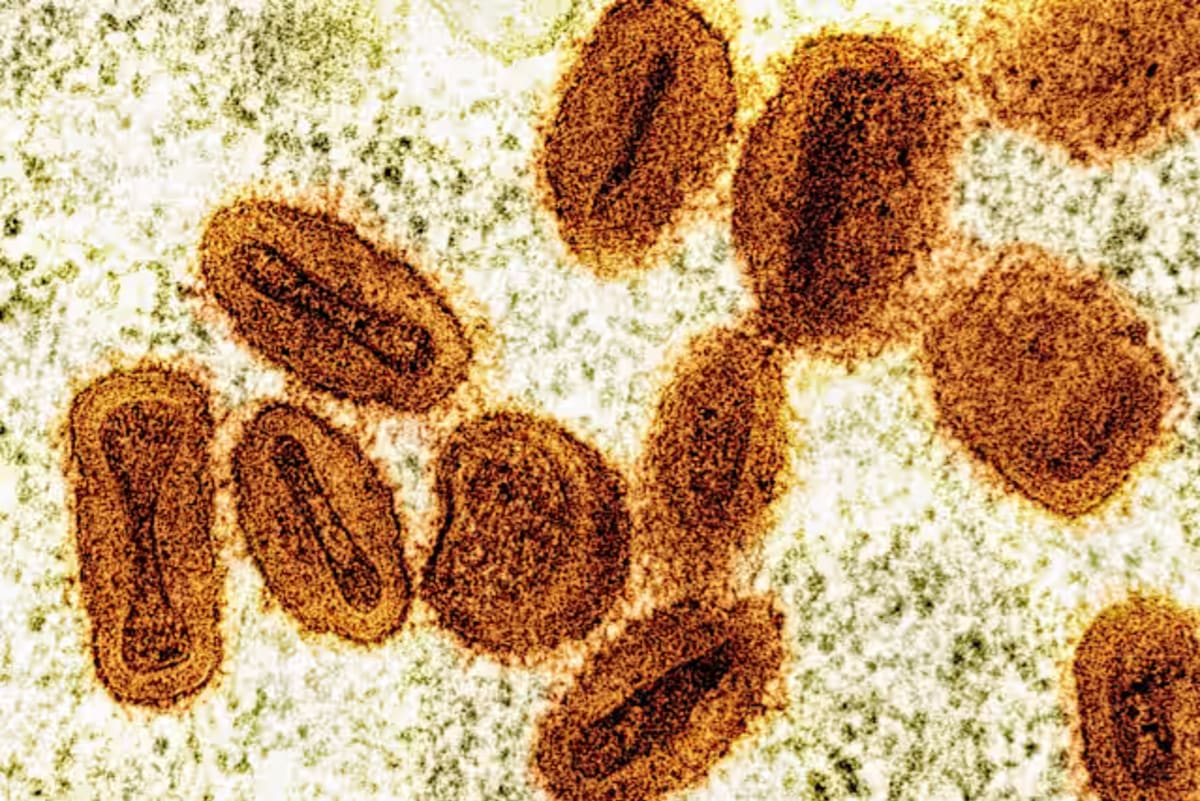
Federal authorities have charged two scientists working at a US government laboratory with smuggling vials containing deactivated mpox virus into the country from Africa, marking a rare breach of biosecurity protocols. The case came to light after investigators at a Michigan airport questioned the researchers upon their return and uncovered discrepancies in their statements, according to officials. While the virus samples were reportedly rendered non infectious through deactivation, the incident has raised concerns about compliance with international biosecurity regulations and the potential risks of unauthorized biological material transport. The charges, announced Tuesday, highlight vulnerabilities in oversight mechanisms designed to prevent the illicit movement of pathogens, even when they pose no immediate public health threat. Mpox, formerly known as monkeypox, remains a pathogen of global concern following a 2022 outbreak that prompted the World Health Organization to declare a public health emergency of international concern.
What Happened
The Department of Justice unsealed charges against two scientists employed at a federal research facility, alleging they illegally transported vials of deactivated mpox virus from Africa into the United States. The incident occurred when the researchers arrived at a Michigan airport, where federal investigators conducted routine questioning. Authorities claim the scientists provided false information about the contents of their luggage, which was later found to contain the undeclared biological samples.
The vials were reportedly deactivated, meaning the virus was chemically or physically treated to render it incapable of causing infection. However, the unauthorized importation of any biological material, particularly a pathogen with epidemic potential, violates strict federal regulations governing the transport of infectious agents.
Why Public Health Officials Are Concerned
While the deactivated mpox virus poses no direct risk of infection, the case underscores critical gaps in biosecurity compliance among researchers handling high consequence pathogens. The Centers for Disease Control and Prevention (CDC) and the Department of Agriculture enforce stringent import permits for biological materials to prevent accidental releases, laboratory acquired infections, or the potential misuse of pathogens.
Mpox, a viral disease endemic to parts of Central and West Africa, gained global attention in 2022 when a multi country outbreak spread rapidly through close contact, primarily affecting men who have sex with men. The WHO declared the outbreak a public health emergency of international concern, though cases have since declined. The virus remains under surveillance due to its potential for resurgence and the risk of zoonotic spillover from animal reservoirs.
Who May Be Affected
This case primarily involves legal and regulatory consequences for the accused scientists and their employing institution. However, the broader implications extend to the scientific community, federal research oversight bodies, and public health agencies responsible for pathogen security. Institutions handling select agents, pathogens and toxins with potential bioterrorism applications, are subject to rigorous reporting and biosafety requirements. Violations can result in criminal charges, loss of research funding, or revocation of laboratory certifications.
For the general public, the incident serves as a reminder of the safeguards in place to prevent the unauthorized movement of biological materials. While no public health threat was posed in this instance, the case highlights the importance of adherence to protocols designed to protect both laboratory workers and communities.
Government Response
The Department of Justice, in coordination with the CDC and the Department of Homeland Security, is prosecuting the case under federal statutes governing the illegal importation of biological agents. The charges include smuggling goods into the United States and making false statements to federal investigators. If convicted, the scientists could face significant fines and imprisonment.
The CDC has not issued any public health alerts related to this incident, emphasizing that the deactivated virus samples do not pose an infectious risk. However, the agency continues to monitor compliance with import regulations and collaborates with international partners to strengthen global biosecurity frameworks.
Prevention and Safety Guidance
For researchers and institutions handling biological materials, this case reinforces the necessity of strict adherence to federal import and export regulations. Key preventive measures include:
- Obtaining all required permits from the CDC, USDA, or other relevant agencies before transporting biological samples across borders.
- Accurately declaring the contents of shipments and luggage during international travel, including deactivated or non infectious materials.
- Undergoing mandatory biosafety training and staying updated on regulatory changes governing select agents and pathogens.
- Implementing institutional oversight mechanisms to ensure compliance with federal and international biosecurity standards.
Public health agencies also recommend that travelers avoid transporting biological materials without prior authorization, even if the samples are intended for research or diagnostic purposes.
What Readers Should Know
This case is not an isolated incident but part of a broader effort by federal agencies to enforce biosecurity laws. While the deactivated mpox virus in question does not pose a public health risk, the unauthorized transport of any biological material, regardless of its infectious status, can have serious legal and professional consequences. Researchers and institutions are urged to prioritize compliance with import regulations to avoid jeopardizing their work and public trust in scientific oversight.
For the public, the incident underscores the importance of robust biosecurity measures in preventing the misuse or accidental release of pathogens. While no immediate threat exists, vigilance in enforcing these protocols remains critical to global health security.
Key Takeaways
- Two US scientists face federal charges for smuggling deactivated mpox virus into the country and lying to investigators at a Michigan airport.
- The deactivated virus poses no infectious risk, but the case highlights gaps in biosecurity compliance and the importance of adhering to federal import regulations for biological materials.
- Unauthorized transport of pathogens, even non infectious samples, violates strict federal laws and can result in criminal penalties, loss of research funding, or institutional sanctions.
- Public health agencies emphasize the need for researchers to obtain proper permits and declare all biological materials during international travel to prevent legal and professional repercussions.
Frequently Asked Questions
What is mpox, and why is it a concern?
Mpox is a viral disease caused by the monkeypox virus, a member of the Orthopoxvirus genus. It can spread through close contact with infected individuals or animals and was declared a public health emergency of international concern by the WHO in 2022 due to its rapid global spread. While cases have declined, the virus remains under surveillance due to its epidemic potential.
Why were the scientists charged if the virus was deactivated?
Even deactivated biological materials are subject to strict federal regulations governing their import and transport. The charges stem from the alleged smuggling of undeclared biological samples and providing false statements to investigators, not from the infectious status of the virus itself.
What are the potential consequences for the scientists if convicted?
The scientists face charges of smuggling goods into the US and making false statements to federal investigators. If convicted, they could face significant fines, imprisonment, and professional repercussions, including the loss of research privileges or employment.
How can researchers ensure compliance with biosecurity regulations?
Researchers should obtain all necessary permits from agencies like the CDC or USDA before transporting biological materials, accurately declare the contents of shipments, undergo biosafety training, and stay informed about regulatory updates. Institutions should also implement oversight mechanisms to ensure compliance.
Does this incident pose a risk to public health?
No. The mpox virus samples in question were deactivated and posed no infectious risk. The case primarily involves legal and regulatory violations related to the unauthorized transport of biological materials.
Medical Review: MedSense Editorial Board






















DISCUSSION (0)
POST A COMMENT