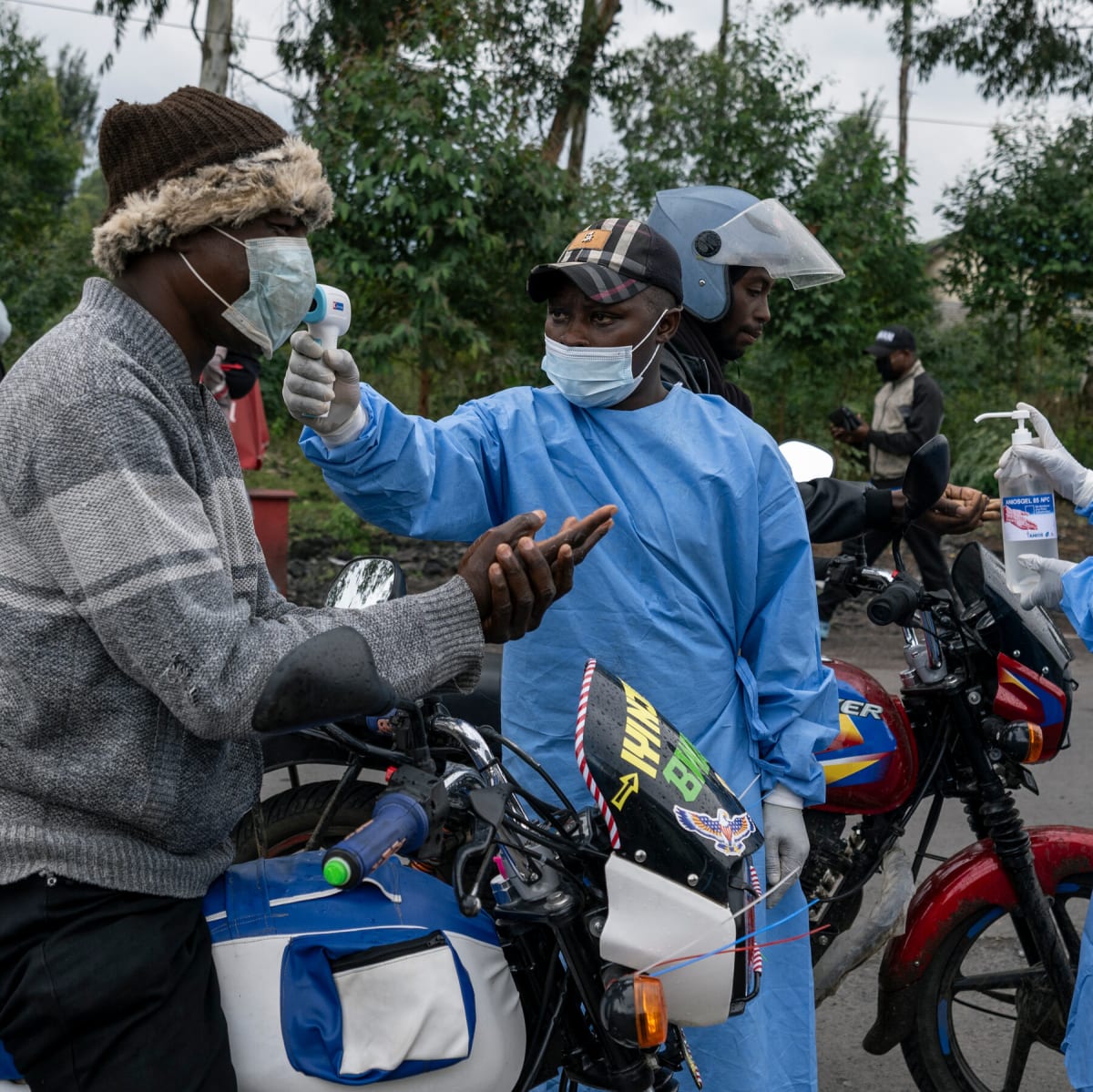
What Happened
The Trump administration has expanded its travel restrictions related to Ebola, now blocking entry to the United States for legal permanent residents who have recently been in the Democratic Republic of Congo, Uganda, or South Sudan. Previously, such restrictions applied primarily to non immigrant travelers, but the new policy extends the ban to green card holders, individuals who have been granted the right to live and work in the U.S. indefinitely. The decision was announced without advance public notice, leaving many affected individuals and their families scrambling for clarity on how the rules will be enforced and what exceptions, if any, may apply.
Why Public Health Officials Are Concerned
Ebola virus disease remains one of the most lethal infectious threats known to medicine, with fatality rates historically ranging between 25% and 90% depending on the strain and access to care. The Democratic Republic of Congo has faced recurrent outbreaks since 2018, including a recent resurgence in 2024 that has claimed hundreds of lives. While Uganda and South Sudan have not reported active transmission in recent months, both nations share porous borders with Congo and have experienced past spillover cases. Public health experts emphasize that Ebola spreads through direct contact with bodily fluids of infected individuals or contaminated surfaces, making early detection and isolation critical to containment. However, the virus’s incubation period, up to 21 days, means travelers could unknowingly carry the infection across borders before symptoms appear.
The Centers for Disease Control and Prevention (CDC) has maintained a Level 3 travel advisory for the Democratic Republic of Congo, urging Americans to avoid non essential travel. While the risk of Ebola reaching the U.S. remains low due to robust healthcare infrastructure and infection control protocols, federal officials have cited the need for a cautious approach. "The expansion of travel restrictions is a prudent step to prevent the introduction of Ebola into the United States," a Department of Homeland Security spokesperson stated, though the agency has not provided data on how many legal residents may be affected or how the policy will be implemented at ports of entry.
Who May Be Affected
The policy change disproportionately impacts legal permanent residents, individuals who have already undergone extensive vetting, including background checks and medical screenings, to obtain green cards. Many have lived in the U.S. for years, raising families, contributing to the workforce, and paying taxes. The three targeted nations are home to large diaspora communities in the U.S., particularly in cities like Houston, Atlanta, and New York, where Congolese, Ugandan, and South Sudanese immigrants have established cultural and religious networks.
Advocacy groups have expressed alarm over the lack of transparency surrounding the policy’s rollout. "Legal permanent residents have a right to due process and should not be subjected to blanket bans without clear guidance on how to challenge or appeal these decisions," said a spokesperson for the American Immigration Lawyers Association. The organization has called on the administration to clarify whether affected individuals will have access to waivers, medical exemptions, or legal recourse if they believe they have been wrongly denied entry.
Government Response and International Coordination
The U.S. is not alone in imposing travel restrictions related to Ebola. Several countries, including Rwanda and Kenya, have implemented border screenings and entry bans for travelers from high risk regions. The World Health Organization (WHO) has repeatedly cautioned against broad travel restrictions, arguing that they can hinder outbreak response efforts by discouraging affected nations from reporting cases transparently. In a 2023 statement, the WHO noted that "unilateral travel bans often do more harm than good, disrupting medical supply chains and isolating communities that need international support."
Despite these concerns, the U.S. has defended its approach as consistent with the International Health Regulations, which permit countries to take measures to protect public health provided they are based on scientific evidence and proportionate to the risk. The CDC has indicated that it will continue to monitor the situation in real time and adjust guidance as needed, though it remains unclear whether the travel restrictions will be lifted if the current outbreaks in Congo subside.
Prevention and Safety Guidance
For legal permanent residents who may be affected by the new restrictions, several steps can help mitigate risks and ensure compliance:
- Avoid non essential travel to the Democratic Republic of Congo, Uganda, or South Sudan until further notice. If travel is unavoidable, register with the U.S. embassy in the destination country and monitor local health advisories.
- Understand the re entry process. The Department of Homeland Security has not released detailed protocols, but affected individuals should be prepared for enhanced screening upon return, including temperature checks and health questionnaires. Carry documentation of your legal status and any medical records that may support a waiver request.
- Seek legal counsel if you believe you have been unfairly denied entry. Immigration attorneys can assist with filing appeals or requesting humanitarian parole, a temporary permission to enter the U.S. for urgent reasons.
- Stay informed through official channels. The CDC and U.S. Customs and Border Protection websites will provide updates on enforcement and any changes to the policy. Avoid relying on social media or unverified sources for guidance.
For the broader public, the risk of Ebola transmission in the U.S. remains extremely low. However, healthcare providers are advised to maintain vigilance for symptoms in patients with recent travel history to affected regions. Early signs of Ebola include fever, fatigue, muscle pain, and headache, which can progress to vomiting, diarrhea, and unexplained bleeding. Any suspected cases should be reported immediately to local health departments and the CDC.
What Readers Should Know
This policy change reflects the ongoing tension between public health preparedness and the rights of immigrant communities. While the threat of Ebola is real, the expansion of travel restrictions to legal permanent residents raises important questions about equity, transparency, and the long term impact on families who may be separated indefinitely. For those directly affected, the lack of clear guidance from federal agencies adds an additional layer of uncertainty during an already stressful time.
Public health experts continue to emphasize that the most effective tools against Ebola are not travel bans but robust surveillance, community engagement, and access to medical care in outbreak zones. The global response to Ebola has improved significantly since the devastating 2014 2016 West Africa epidemic, but challenges remain, particularly in conflict affected regions where healthcare infrastructure is fragile. As the situation evolves, travelers, families, and healthcare providers must stay informed and advocate for policies that balance safety with fairness.
Key Takeaways
- The U.S. has expanded travel restrictions to include legal permanent residents returning from Ebola affected regions in Africa, raising concerns among immigrant communities.
- Ebola remains a high risk pathogen with no approved cure, though supportive care and experimental treatments have improved survival rates in recent outbreaks.
- Affected individuals should avoid non essential travel, seek legal counsel if denied entry, and monitor official updates from the CDC and U.S. Customs and Border Protection.
- Public health experts caution that travel bans can disrupt outbreak response efforts and may not be the most effective tool for preventing disease spread.
- The policy highlights broader challenges in managing global health threats while protecting the rights of lawful residents and their families.
Frequently Asked Questions
Who is affected by the new U.S. travel restrictions?
The expanded policy applies to legal permanent residents (green card holders) who have recently traveled to the Democratic Republic of Congo, Uganda, or South Sudan. It does not currently affect U.S. citizens or individuals with other visa categories, though all travelers from these regions may face enhanced screening.
Why did the U.S. expand the travel ban to include legal permanent residents?
Federal officials have cited the need to prevent the introduction of Ebola into the United States as the primary reason for the policy change. The Democratic Republic of Congo is experiencing an ongoing outbreak, and while Uganda and South Sudan have not reported recent cases, they share borders with Congo and have faced past spillover events. The administration has described the move as a precautionary measure.
Can legal permanent residents appeal or request a waiver if they are denied entry?
The Department of Homeland Security has not released detailed guidance on appeals or waivers. However, legal permanent residents have the right to due process, and immigration attorneys can assist with filing appeals or requesting humanitarian parole. Affected individuals should consult with an attorney before attempting to re enter the U.S.
What are the symptoms of Ebola, and how is it transmitted?
Ebola virus disease causes severe illness with symptoms including fever, fatigue, muscle pain, vomiting, diarrhea, and in some cases, unexplained bleeding. It spreads through direct contact with the bodily fluids of an infected person or contaminated surfaces. The virus is not airborne, and transmission requires close contact with an infected individual or their bodily fluids.
How effective are travel bans in preventing the spread of Ebola?
Public health experts are divided on the effectiveness of travel bans. While they may reduce the number of travelers from high risk regions, they can also discourage affected countries from reporting outbreaks transparently, hinder the flow of medical supplies and personnel, and create a false sense of security. The World Health Organization has historically opposed broad travel restrictions, advocating instead for targeted screening and support for outbreak response efforts.
What should families do if a loved one is stranded abroad due to the travel restrictions?
Families should first contact the nearest U.S. embassy or consulate for assistance. They may also seek legal counsel to explore options such as humanitarian parole or other forms of temporary relief. Advocacy groups, such as the American Immigration Lawyers Association, can provide resources and support for affected families.
Medical Review: MedSense Editorial Board








DISCUSSION (0)
POST A COMMENT