What Happened
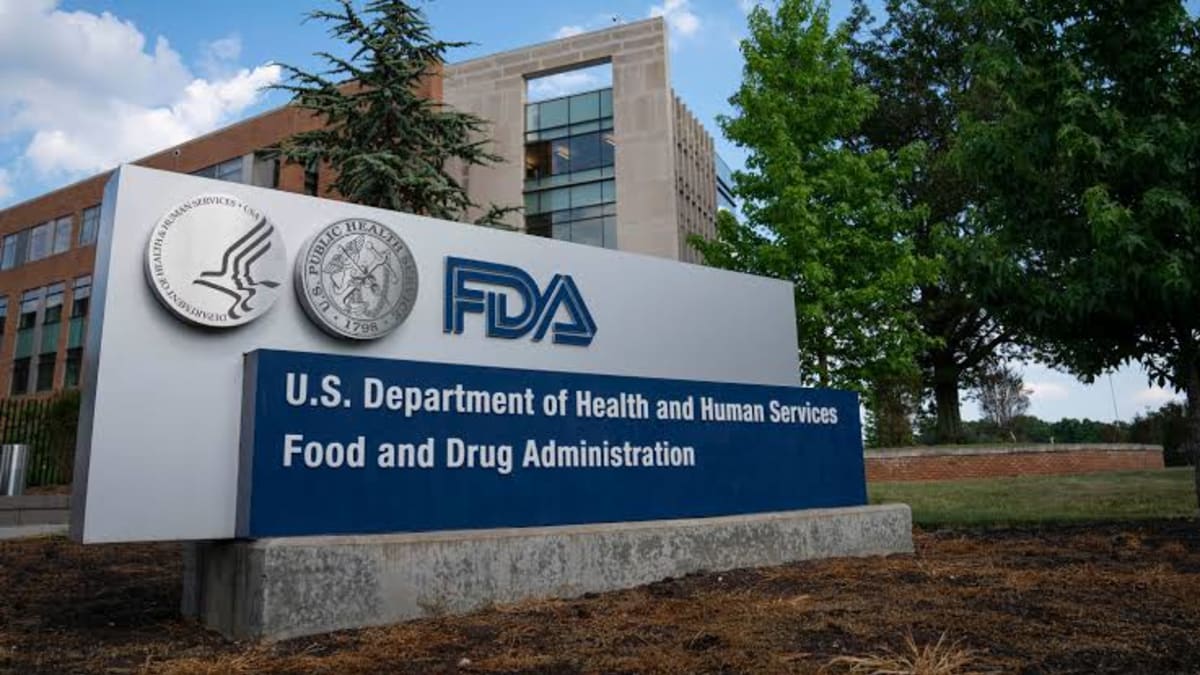
The FDA announced that a voluntary recall of iceberg lettuce produced by Taylor Farms de Mexico remains active following reports of a multistate outbreak of cyclosporiasis. The recall was initiated after routine testing detected the presence of Cyclospora cayetanensis, a parasite that causes the intestinal illness cyclosporiasis. While initial concerns arose about the possibility of a false positive result, the FDA has opted to maintain the recall as a preventive step to protect public health. The lettuce in question was distributed to retailers and food service providers across multiple states, though the exact scope of distribution is still under investigation.
Why Does It Matter
Cyclosporiasis is a serious public health concern, particularly because it can lead to prolonged gastrointestinal illness if left untreated. The infection typically causes watery diarrhea, stomach cramps, nausea, and fatigue, with symptoms often lasting for weeks or even months in severe cases. Unlike bacterial infections, Cyclospora is not transmitted from person to person but through the consumption of contaminated food or water. Fresh produce, including leafy greens, has been a recurring source of outbreaks in recent years, highlighting vulnerabilities in the food supply chain. The FDA's decision to uphold the recall underscores the importance of rapid response in preventing widespread illness, even when diagnostic uncertainties exist.
Who Does It Affect
This recall primarily impacts consumers who purchased iceberg lettuce from Taylor Farms de Mexico between late April and early May 2024. The product was distributed to grocery stores, restaurants, and institutional food service providers in multiple states, though the FDA has not yet released a full list of affected retailers. Individuals who consumed the lettuce and subsequently experienced symptoms such as persistent diarrhea, dehydration, or unexplained fatigue should seek medical attention. High risk groups, including young children, the elderly, and those with weakened immune systems, are particularly vulnerable to severe complications from cyclosporiasis.
What Should I Do
If you have recently purchased iceberg lettuce, check your refrigerator for products labeled with the brand name Taylor Farms de Mexico or any packaging that indicates a distribution date within the recall window. The FDA advises consumers to discard the lettuce immediately to avoid potential exposure to Cyclospora. Thoroughly wash any surfaces or containers that may have come into contact with the product to prevent cross contamination. If you experience symptoms of cyclosporiasis, such as prolonged diarrhea or dehydration, consult a healthcare provider. Treatment typically involves a course of antibiotics, so early diagnosis is critical. For updates on the recall, visit the FDA's official website or contact your local health department.
What Don't We Know Yet
While the recall is in effect, several key questions remain unanswered. The FDA has not yet confirmed whether the initial positive test result for Cyclospora was accurate or if it was a false positive, as some industry experts have suggested. Additionally, the exact source of contamination, whether it occurred during growing, harvesting, or processing, has not been identified. Investigators are also working to determine the full geographic scope of the outbreak and whether other products may be implicated. The FDA continues to collaborate with state health departments and the Centers for Disease Control and Prevention to gather more data and refine their response.
Key Takeaways for Consumers
- Cyclosporiasis is caused by the Cyclospora parasite and is not spread from person to person.
- Symptoms include watery diarrhea, stomach cramps, nausea, and fatigue, often lasting weeks.
- High risk groups, such as children and immunocompromised individuals, should be especially cautious.
- Check your refrigerator for recalled iceberg lettuce and discard it immediately if found.
- Monitor the FDA's website for updates on the recall and outbreak investigation.
Key Takeaways
- The FDA has maintained a voluntary recall of iceberg lettuce from Taylor Farms de Mexico due to potential Cyclospora contamination.
- Cyclosporiasis is a parasitic infection that causes prolonged gastrointestinal symptoms and requires antibiotic treatment.
- Consumers should check for recalled products, discard them, and seek medical attention if symptoms develop.
- The exact source of contamination and scope of the outbreak remain under investigation.
Frequently Asked Questions
What is Cyclospora, and how does it spread?
Cyclospora is a microscopic parasite that causes the intestinal infection cyclosporiasis. It spreads through the consumption of food or water contaminated with the parasite, not through person to person contact. Fresh produce, particularly leafy greens and berries, has been linked to past outbreaks.
What are the symptoms of cyclosporiasis?
Symptoms typically include watery diarrhea, stomach cramps, bloating, nausea, fatigue, and weight loss. These symptoms can last for weeks or even months if untreated. Severe cases may lead to dehydration, especially in vulnerable populations.
How is cyclosporiasis treated?
Cyclosporiasis is treated with a course of antibiotics, most commonly trimethoprim sulfamethoxazole. Early diagnosis and treatment are important to prevent prolonged illness. If you suspect you have been infected, consult a healthcare provider for testing and appropriate care.
How can I reduce my risk of Cyclospora infection?
To reduce your risk, thoroughly wash all fresh produce under running water before consumption. Avoid consuming recalled products, and stay informed about food safety alerts from the FDA or CDC. If you experience symptoms after eating fresh produce, seek medical advice promptly.
Where can I find updates on the iceberg lettuce recall?
For the latest information on the recall and outbreak investigation, visit the FDA's official website or check updates from your local health department. The FDA provides real time alerts and detailed guidance for consumers and retailers.
Medical Review: MedSense Editorial Board
























DISCUSSION (0)
POST A COMMENT