
What Happened
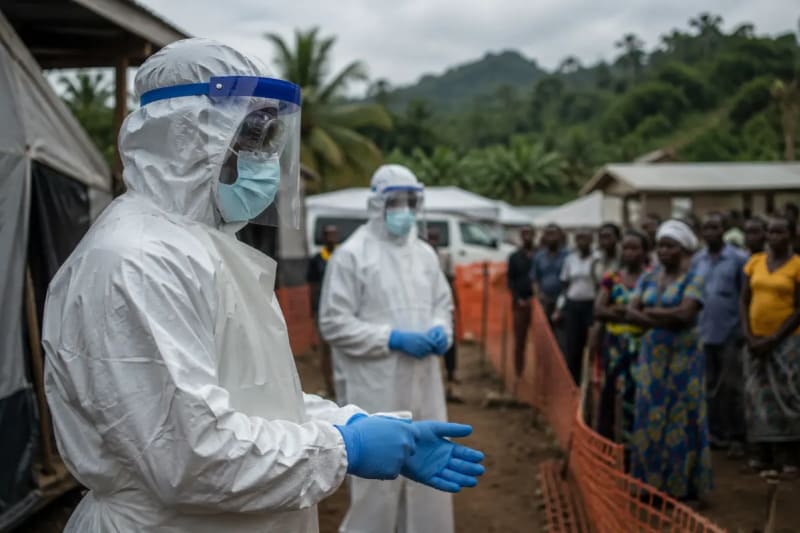
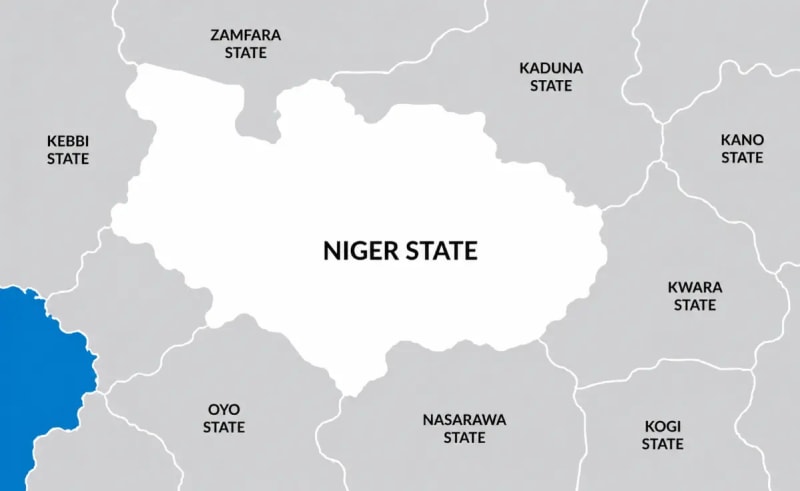
The Niger State Ministry of Health reported a suspected diphtheria outbreak in the Fadikpe area of Minna, the state capital. As of the latest update, one child has died, one has recovered, and two others remain under medical care. The outbreak was disclosed during a training workshop focused on Infection Prevention and Control, where health workers were briefed on rapid response protocols. Diphtheria, caused by the bacterium Corynebacterium diphtheriae, spreads through respiratory droplets or direct contact with infected individuals or contaminated surfaces. The disease is known for its characteristic thick gray membrane that can form in the throat, leading to breathing difficulties and potential suffocation.
Why Does It Matter
Diphtheria is a serious public health threat, particularly in regions with low vaccination coverage. The disease has a case fatality rate of up to 10% even with treatment, and higher in untreated cases. Nigeria has experienced sporadic diphtheria outbreaks in recent years, often linked to gaps in routine immunization programs. The current outbreak in Niger State underscores the risks posed by vaccine preventable diseases in communities with limited healthcare access. Beyond the immediate health impact, outbreaks strain local health systems, divert resources from other critical services, and can lead to broader economic and social disruptions. The response to this outbreak will serve as a test for Nigeria’s preparedness to handle resurgent vaccine preventable diseases amid ongoing health challenges.
Who Does It Affect
This outbreak primarily affects children in the Fadikpe community, with the deceased and currently treated patients all under the age of five. Diphtheria disproportionately impacts young children, particularly those who are unvaccinated or partially vaccinated. The disease can also spread to adults with weakened immune systems or those who have not received booster doses. Given the contagious nature of diphtheria, the entire community is at risk, especially in crowded or unsanitary conditions. Healthcare workers treating the cases are also vulnerable to infection if proper protective measures are not followed. The outbreak may have broader regional implications, as Minna serves as a commercial hub, increasing the potential for disease spread to neighboring areas.
What Should I Do
If you live in or near the affected area, take the following steps to protect yourself and your family:
- Seek medical attention immediately if you or your child develop symptoms such as a sore throat, fever, swollen glands in the neck, or a thick gray membrane in the throat. Early diagnosis and treatment with diphtheria antitoxin and antibiotics are critical to preventing severe complications.
- Ensure vaccination. Diphtheria is preventable through the pentavalent vaccine, which also protects against tetanus, pertussis, hepatitis B, and Haemophilus influenzae type b. Children should receive three doses at 6, 10, and 14 weeks of age, with booster doses recommended later in childhood. Adults who are unsure of their vaccination status should consult a healthcare provider.
- Practice good hygiene. Wash hands frequently with soap and water, especially after coughing or sneezing. Avoid close contact with individuals showing symptoms of respiratory illness. Cover your mouth and nose with a tissue or elbow when coughing or sneezing, and dispose of tissues properly.
- Follow public health advisories. Stay informed through official channels, such as the Niger State Ministry of Health or the Nigeria Centre for Disease Control. Avoid spreading unverified information, which can cause unnecessary panic or mislead the public.
- Support community efforts. Cooperate with health workers conducting contact tracing, vaccination campaigns, or disinfection activities. Community participation is essential to containing the outbreak and preventing further cases.
What Don't We Know Yet
Several critical questions remain unanswered as health authorities respond to the outbreak. The source of the infection has not been definitively identified, though investigations are ongoing. It is unclear whether the cases are linked to previous outbreaks in other parts of Nigeria or if this represents a new cluster. The vaccination status of the affected children has not been publicly confirmed, leaving gaps in understanding the role of immunization coverage in this outbreak. Additionally, the extent of community transmission is unknown, as testing and contact tracing efforts are still underway. Authorities have not yet provided details on the strain of Corynebacterium diphtheriae involved, which could influence the severity of the disease and the effectiveness of treatment. Finally, the long term impact of this outbreak on routine immunization programs in Niger State remains to be seen, particularly if resources are diverted to contain the current crisis.
Key Takeaways
- A suspected diphtheria outbreak in Niger State has resulted in one child’s death and three active cases, prompting a rapid public health response.
- Diphtheria is a vaccine preventable disease with a high fatality rate if untreated, making early diagnosis and vaccination critical.
- Children under five and unvaccinated individuals are at highest risk, but the entire community is vulnerable due to the disease’s contagious nature.
- Residents should seek medical care for symptoms, ensure vaccination, practice good hygiene, and follow official health advisories.
- Key uncertainties include the source of the outbreak, vaccination status of affected individuals, and the potential for wider community transmission.
Frequently Asked Questions
What are the symptoms of diphtheria?
Diphtheria typically begins with a sore throat, fever, and swollen glands in the neck. A thick gray membrane may form in the throat, causing difficulty breathing or swallowing. Other symptoms can include weakness, fatigue, and a barking cough. In severe cases, the toxin produced by the bacteria can lead to heart and nerve damage.
How is diphtheria treated?
Treatment involves administering diphtheria antitoxin to neutralize the toxin produced by the bacteria, along with antibiotics such as penicillin or erythromycin to eliminate the infection. Patients may require hospitalization for monitoring and supportive care, such as oxygen therapy or intravenous fluids. Early treatment is essential to prevent complications and death.
Is diphtheria preventable?
Yes, diphtheria is preventable through vaccination. The pentavalent vaccine, which protects against diphtheria, tetanus, pertussis, hepatitis B, and Haemophilus influenzae type b, is part of Nigeria’s routine immunization schedule for children. Booster doses are recommended later in childhood and adulthood to maintain immunity.
Why are diphtheria outbreaks still happening?
Outbreaks occur primarily in areas with low vaccination coverage, where the bacteria can circulate undetected. Factors such as vaccine hesitancy, disrupted healthcare services, and population displacement can contribute to gaps in immunity. In Nigeria, challenges such as limited access to healthcare, misinformation about vaccines, and logistical barriers to immunization campaigns have led to periodic resurgences of vaccine preventable diseases like diphtheria.
What should I do if I suspect someone has diphtheria?
Isolate the individual immediately to prevent spread and seek medical care without delay. Inform healthcare providers of the suspected case so they can take appropriate precautions. Avoid close contact with the person until they have been evaluated and treated. If you have been in contact with someone diagnosed with diphtheria, consult a healthcare provider about post exposure prophylaxis, which may include antibiotics or a booster vaccine.
Medical Review: MedSense Editorial Board


















DISCUSSION (0)
POST A COMMENT