What Happened
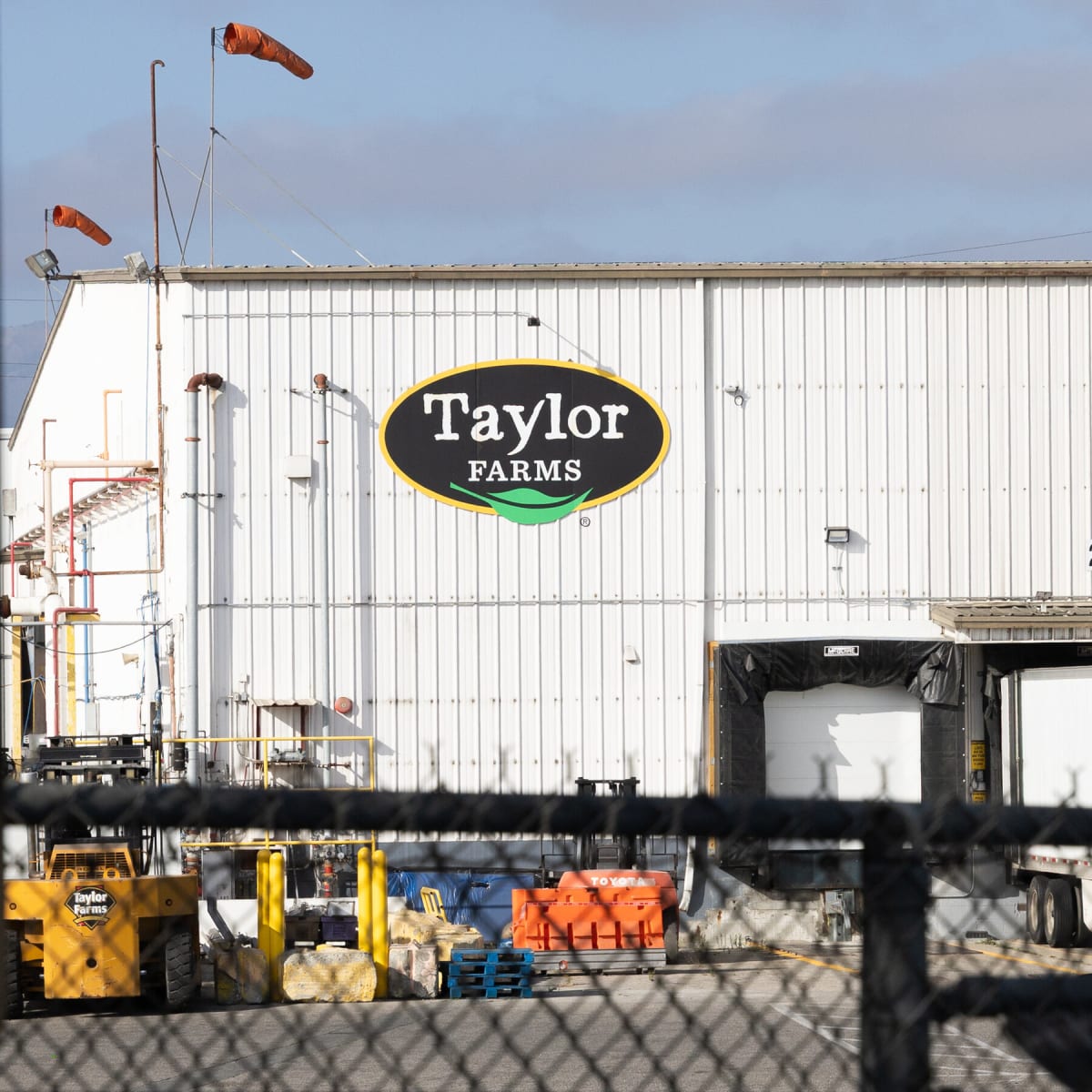
The FDA has confirmed the detection of Cyclospora cayetanensis in environmental samples taken from Taylor Farms’ processing facility in Mexico. This finding follows an ongoing investigation into a multistate outbreak of cyclosporiasis, a parasitic infection transmitted through contaminated fresh produce. In response, Taylor Farms has voluntarily expanded its recall of prepackaged iceberg lettuce products to include 27 states, up from an initial recall limited to a smaller geographic area. The agency is currently working to trace the distribution of affected products, which were sold under various brand names and may have been used in restaurant salads, grocery store salad kits, and other prepared foods.
The recall affects iceberg lettuce products with specific lot codes and use by dates, which consumers can identify using the FDA’s recall notice. While the agency has not disclosed the exact number of illnesses linked to this outbreak, Cyclospora infections typically cause symptoms such as watery diarrhea, loss of appetite, weight loss, and fatigue. In severe cases, the infection can lead to dehydration and require hospitalization, particularly in vulnerable populations like young children, the elderly, and individuals with weakened immune systems.
Why Does It Matter
Cyclospora outbreaks are a recurring public health concern, particularly during the summer months when fresh produce consumption peaks. Unlike bacterial pathogens such as E. coli or Salmonella, Cyclospora is a parasite that requires days or even weeks to become infectious after contaminating produce, making it difficult to detect through routine testing. This delayed onset also complicates traceback efforts, as consumers may not associate their symptoms with a specific food item until weeks after exposure.
The expansion of this recall highlights broader challenges in the fresh produce supply chain, where contamination can occur at multiple points, from farm irrigation water to processing facilities. The FDA’s investigation into Taylor Farms’ Mexico facility suggests that environmental conditions, such as water quality or sanitation practices, may have played a role in the outbreak. This incident also raises questions about the adequacy of current food safety protocols for imported produce, which accounts for a significant portion of the U.S. fresh vegetable supply.
For public health officials, Cyclospora outbreaks are particularly concerning because the parasite is resistant to standard disinfection methods like chlorination. This means that even produce washed in treated water can remain contaminated if the parasite is present. The FDA’s response to this outbreak, including the recall expansion and traceback efforts, reflects the agency’s prioritization of parasitic contamination as a growing threat to food safety.
Who Does It Affect
This recall directly impacts consumers in 27 states who purchased prepackaged iceberg lettuce products from Taylor Farms between late May and early July. The affected states include major markets such as California, Texas, Florida, New York, and Illinois, where the products were distributed to grocery chains, restaurants, and food service providers. While the recall targets specific lot codes, the FDA has advised consumers in these states to exercise caution when consuming any prepackaged iceberg lettuce, as cross contamination or mislabeling could pose additional risks.
Individuals at highest risk for severe Cyclospora infection include:
- Young children under the age of 5, whose immune systems are still developing.
- Adults over 65, who may have underlying health conditions that weaken their immune response.
- People with compromised immune systems, such as those undergoing chemotherapy, living with HIV/AIDS, or taking immunosuppressive medications.
- Pregnant women, who may experience more severe symptoms and face risks to fetal health.
Healthcare providers in the affected states have been alerted to the outbreak and are advised to consider cyclosporiasis in patients presenting with prolonged diarrheal illness, particularly if symptoms persist for more than a week. The Centers for Disease Control and Prevention (CDC) has also issued guidance to state health departments to enhance surveillance for new cases linked to this outbreak.
What Should I Do
If you or someone in your household purchased prepackaged iceberg lettuce in the past two months, take the following steps to reduce the risk of infection:
- Check the recall notice: Visit the FDA’s website to review the list of affected products, including brand names, lot codes, and use by dates. If you have any of these products in your refrigerator or freezer, discard them immediately. Do not consume them, even if they appear fresh or have been washed.
- Sanitize your kitchen: Wash all surfaces, utensils, and containers that may have come into contact with the recalled lettuce using hot, soapy water. Cyclospora can survive on surfaces for extended periods, so thorough cleaning is essential to prevent cross contamination.
- Monitor for symptoms: Be alert for signs of cyclosporiasis, which typically appear within 2 to 14 days of exposure. Symptoms include watery diarrhea (often lasting more than a week), loss of appetite, weight loss, stomach cramps, nausea, and fatigue. If you experience these symptoms, contact your healthcare provider and mention your potential exposure to recalled lettuce.
- Stay hydrated: If you develop diarrhea, drink plenty of fluids to prevent dehydration. Oral rehydration solutions or electrolyte drinks can help replace lost fluids and minerals. Avoid caffeine and alcohol, as these can worsen dehydration.
- Report your illness: If you suspect you have been infected with Cyclospora, report your case to your local health department. This information can help public health officials track the outbreak and prevent further spread.
For restaurants and food service providers, the FDA recommends removing all recalled products from inventory and notifying customers who may have been exposed. Businesses should also review their supply chain records to identify any additional products that may have been sourced from the affected facility.
What Don't We Know Yet
While the FDA’s investigation has confirmed the presence of Cyclospora in Taylor Farms’ Mexico facility, several critical questions remain unanswered. First, the exact source of contamination has not been identified. Investigators are examining multiple potential points of exposure, including irrigation water, soil, or processing equipment, but no definitive cause has been established. This uncertainty makes it difficult to implement targeted corrective actions to prevent future outbreaks.
Second, the full scope of the outbreak is still unclear. The FDA and CDC are working to determine how many illnesses are directly linked to this recall, but Cyclospora infections are often underreported due to mild or asymptomatic cases. Additionally, the delayed onset of symptoms means that new cases may continue to emerge in the coming weeks, even after the recall is complete.
Third, the effectiveness of the recall itself remains to be seen. While Taylor Farms has expanded the recall to cover 27 states, the complexity of the produce supply chain means that some contaminated products may have already been consumed or discarded. The FDA’s traceback efforts are ongoing, but it is possible that additional recalls or public health alerts could be issued if further contamination is detected.
Finally, the long term impact of this outbreak on food safety regulations is uncertain. The FDA has faced criticism in the past for its handling of Cyclospora outbreaks, particularly regarding the speed of its response and the transparency of its investigations. This incident may prompt calls for stricter oversight of imported produce or new guidelines for detecting and preventing parasitic contamination in fresh foods.
Key Takeaways
- Taylor Farms has expanded its recall of prepackaged iceberg lettuce to 27 states after the FDA detected Cyclospora contamination in samples from its Mexico facility.
- Cyclospora infections can cause prolonged gastrointestinal symptoms, including watery diarrhea, fatigue, and weight loss, with severe cases requiring medical attention.
- Consumers in affected states should check the FDA’s recall notice, discard any recalled products, and monitor for symptoms of cyclosporiasis.
- The outbreak highlights ongoing challenges in preventing parasitic contamination in fresh produce, particularly in imported foods.
- Public health officials are still investigating the source of contamination and the full scope of the outbreak, with new cases potentially emerging in the coming weeks.
Frequently Asked Questions
What is Cyclospora, and how does it spread?
Cyclospora cayetanensis is a microscopic parasite that causes cyclosporiasis, an intestinal infection. It spreads when people consume food or water contaminated with the parasite’s oocysts, which are shed in the feces of infected individuals. Unlike bacteria, Cyclospora requires days or weeks in the environment to become infectious, making it difficult to detect through routine testing. The parasite is most commonly associated with fresh produce, particularly leafy greens and berries, that have been exposed to contaminated water or soil.
How can I tell if my lettuce is part of the recall?
The FDA has published a detailed recall notice on its website, listing the specific brand names, lot codes, and use by dates of the affected products. Consumers should compare this information to the packaging of any prepackaged iceberg lettuce in their homes. If you are unsure whether your product is part of the recall, the safest course of action is to discard it.
What should I do if I think I have cyclosporiasis?
If you experience symptoms such as prolonged watery diarrhea, loss of appetite, or fatigue, contact your healthcare provider. Be sure to mention any potential exposure to recalled lettuce or other fresh produce. Cyclosporiasis is typically diagnosed through a stool sample and can be treated with antibiotics. Early diagnosis and treatment are important to prevent complications like dehydration.
Are there any long term effects of Cyclospora infection?
Most people recover fully from cyclosporiasis with appropriate treatment, but the infection can cause prolonged symptoms, particularly in individuals with weakened immune systems. In rare cases, the parasite can lead to complications such as reactive arthritis or Guillain Barré syndrome, a neurological disorder. If symptoms persist or worsen, seek medical attention promptly.
How can I reduce my risk of foodborne illness from fresh produce?
To reduce your risk of foodborne illness, follow these steps: 1 Wash all fresh produce thoroughly under running water, even if you plan to peel it. 2 Store produce at the proper temperature and separate it from raw meats to avoid cross contamination. 3 Stay informed about food recalls by signing up for FDA alerts or checking the agency’s website regularly. 4 When in doubt, throw it out, if you suspect a product may be contaminated, discard it to avoid potential illness.
Medical Review: MedSense Editorial Board























DISCUSSION (0)
POST A COMMENT