
What Happened
A joint report by PATH and Impact Global Health, two leading global health nonprofits, has quantified the scale of Africa's diagnostic access crisis. The study found that only 19% of patients visiting primary healthcare facilities across the continent receive appropriate diagnostic testing. This means that for every five individuals seeking care, four are evaluated without the benefit of basic laboratory or imaging tools, such as blood tests, malaria rapid diagnostics, or glucose monitoring, that are standard in higher income regions. The report was timed to inform discussions at the African Union Extraordinary Health Summit, where policymakers and health leaders convened to address systemic gaps in healthcare delivery.
Why Does It Matter
Diagnostics are the cornerstone of effective healthcare. They enable early detection of diseases, guide treatment decisions, and prevent unnecessary or harmful interventions. When diagnostics are unavailable, clinicians must rely on symptoms alone, a method prone to error, especially in regions where multiple infectious and noncommunicable diseases overlap. The absence of testing not only leads to misdiagnosis but also fuels antimicrobial resistance, as clinicians may prescribe antibiotics without confirming bacterial infections. Beyond individual health, the diagnostic gap undermines public health surveillance, making it harder to track outbreaks of diseases like tuberculosis, HIV, and emerging pathogens. Economically, the cost of untreated or poorly managed conditions far exceeds the investment required to establish functional diagnostic systems, trapping communities in cycles of poverty and ill health.
Who Does It Affect
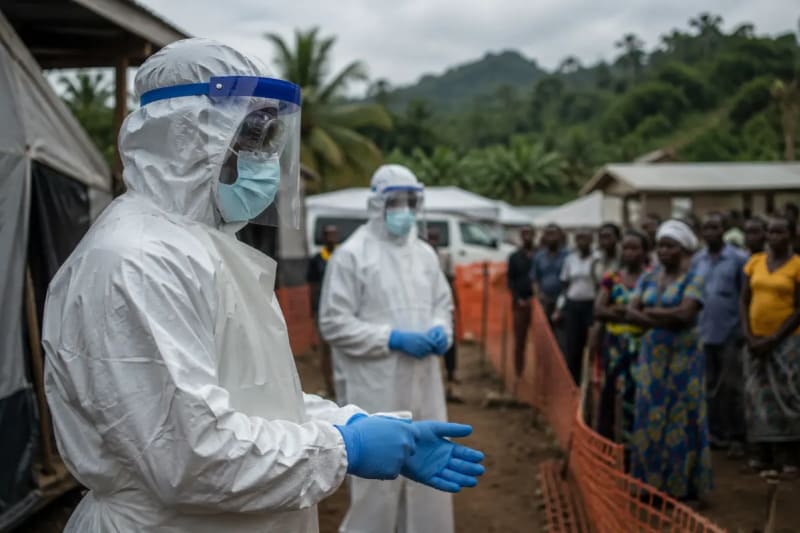
The diagnostic crisis disproportionately impacts vulnerable populations across sub Saharan Africa, where primary healthcare is often the first and only point of contact with the medical system. Rural communities, low income urban populations, and marginalized groups, including women, children, and the elderly, bear the brunt of this gap. In countries with high burdens of infectious diseases, such as malaria, HIV, and tuberculosis, the lack of diagnostics leads to delayed or incorrect treatment, increasing mortality rates. Pregnant women face heightened risks, as undiagnosed conditions like gestational diabetes or preeclampsia can result in life threatening complications. Children, too, are particularly vulnerable; without diagnostic tools, common childhood illnesses like pneumonia or malnutrition may go unrecognized until it is too late. The report highlights that the crisis is not confined to a single region but spans 47 African nations, affecting an estimated 1.2 billion people.
What Should I Do
While systemic change requires policy action, individuals and communities can take steps to mitigate the impact of diagnostic gaps. If you or a family member seek care at a primary health facility, ask whether diagnostic tests are available before accepting a diagnosis based solely on symptoms. Advocate for transparency by requesting written explanations of treatment plans and inquiring about alternative facilities with better testing capabilities. Community health workers and local leaders can push for improved diagnostic infrastructure by engaging with regional health authorities and supporting initiatives that prioritize laboratory and point of care testing. On a broader scale, supporting organizations like PATH, the World Health Organization, and local health nonprofits can amplify efforts to expand diagnostic access. Donations, volunteerism, and public awareness campaigns can help drive funding and political will toward this critical issue.
What Don't We Know Yet
The report provides a continent wide snapshot, but granular data on diagnostic access at the country or district level remains limited. It is unclear how access varies between urban and rural facilities, or how private versus public healthcare systems compare in diagnostic capacity. Additionally, the report does not detail the specific types of tests most commonly unavailable, whether basic blood panels, infectious disease diagnostics, or chronic condition monitoring. Ongoing research is needed to assess the long term health outcomes of patients denied diagnostics, as well as the economic and social costs of this gap. Future studies may also explore the effectiveness of emerging solutions, such as mobile diagnostic units or telemedicine supported testing, in bridging the access divide.
Key Takeaways
- Africa faces a severe diagnostic access crisis, with 81% of patients at primary healthcare facilities unable to receive basic medical tests.
- The lack of diagnostics leads to misdiagnosis, delayed treatment, and increased mortality, particularly for infectious and chronic diseases.
- Vulnerable populations, including rural communities, women, children, and the elderly, are disproportionately affected.
- Individuals can advocate for better care by asking about diagnostic availability and supporting organizations working to improve testing infrastructure.
- More research is needed to understand regional variations in diagnostic access and the long term impact of this crisis on public health.
Key Takeaways
- 81% of patients in African primary healthcare facilities lack access to basic diagnostic tests, leading to widespread misdiagnosis and delayed treatment.
- The diagnostic gap disproportionately affects rural, low income, and marginalized populations, exacerbating health inequities across the continent.
- Without reliable testing, clinicians are forced to make treatment decisions based on symptoms alone, increasing the risk of antimicrobial resistance and poor health outcomes.
- Individuals can take action by advocating for diagnostic transparency, supporting health initiatives, and pushing for policy changes to improve testing infrastructure.
Frequently Asked Questions
Why is diagnostic access so limited in African primary healthcare facilities?
Diagnostic access is limited due to a combination of factors, including underfunded healthcare systems, lack of laboratory infrastructure, shortages of trained personnel, and logistical challenges in transporting and maintaining equipment. Many facilities also face unreliable electricity and water supply, which are essential for running diagnostic machines. Additionally, the cost of diagnostic tools and reagents can be prohibitive for low resource settings.
What are the most common diseases affected by the lack of diagnostics?
The lack of diagnostics primarily impacts the detection and management of infectious diseases such as malaria, HIV, tuberculosis, and lower respiratory infections. It also affects the diagnosis of noncommunicable diseases like diabetes, hypertension, and cancer, as well as maternal and child health conditions, including anemia, malnutrition, and pregnancy related complications.
How can diagnostic access be improved in low resource settings?
Improving diagnostic access requires a multi faceted approach, including increased funding for healthcare infrastructure, training of laboratory technicians, and deployment of point of care testing devices that are affordable and easy to use. Mobile diagnostic units, telemedicine supported testing, and partnerships with global health organizations can also help bridge the gap. Policy changes, such as integrating diagnostics into national health strategies and improving supply chains, are critical for sustainable progress.
What role do global health organizations play in addressing this crisis?
Global health organizations like PATH, the World Health Organization, and Impact Global Health play a pivotal role in advocating for diagnostic access, providing funding, and implementing programs to strengthen healthcare systems. They work with governments and local partners to deploy diagnostic tools, train healthcare workers, and develop policies that prioritize testing. These organizations also conduct research to identify gaps and evaluate the effectiveness of interventions.
How does the lack of diagnostics contribute to antimicrobial resistance?
When clinicians lack diagnostic tools, they often prescribe antibiotics empirically, based on symptoms rather than confirmed bacterial infections. This overuse and misuse of antibiotics accelerate the development of antimicrobial resistance, making infections harder to treat and increasing the risk of drug resistant outbreaks. Reliable diagnostics are essential for ensuring that antibiotics are used only when necessary, preserving their effectiveness for future generations.
Medical Review: MedSense Editorial Board
















DISCUSSION (0)
POST A COMMENT