
What Happened
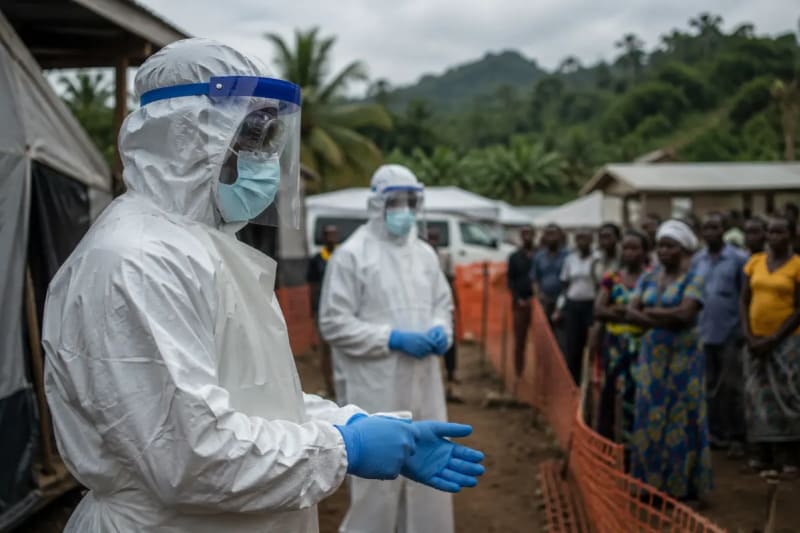
During a community health awareness program in Uyo, Akwa Ibom State, medical physiologist Dr Michael Okon drew attention to the link between excessive heat and pregnancy complications. He warned that the escalating temperatures across Nigeria, attributed to climate change, pose significant risks to pregnant women. While the specific complications were not detailed in his remarks, research has previously associated heat exposure with conditions such as preterm birth, low birth weight, gestational hypertension, and stillbirth. The event, held at Afaha Etok Village Hall, aimed to educate local communities on emerging health threats exacerbated by environmental changes.
Why Does It Matter
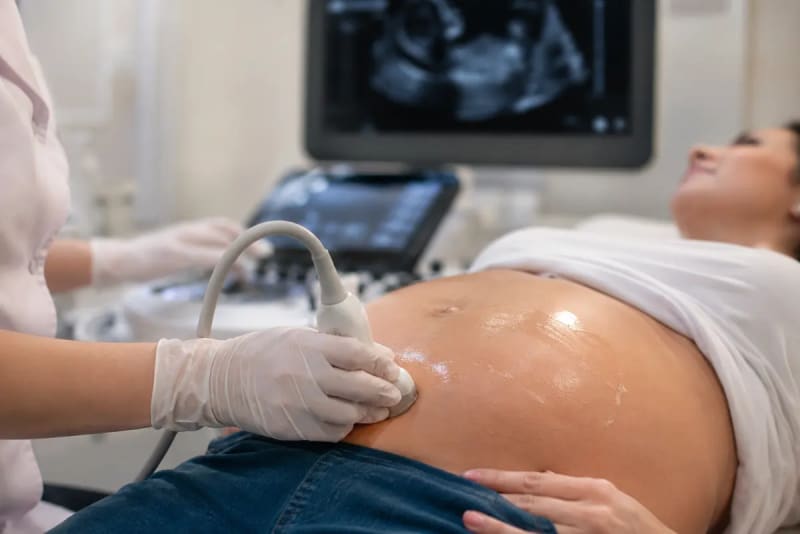
The intersection of climate change and maternal health represents a critical but underaddressed public health challenge. Heatwaves are no longer isolated weather events but a recurring global phenomenon with far reaching health consequences. For pregnant women, the body's physiological adaptations to heat, such as increased blood flow to the skin and reduced placental perfusion, can strain already taxed systems. These changes may disrupt fetal development, trigger early labor, or worsen preexisting conditions like diabetes and hypertension. Beyond individual health, the issue carries broader societal implications. Pregnancy complications linked to heat stress can increase healthcare costs, strain maternal health services, and contribute to long term developmental challenges for children. As climate patterns shift, understanding and mitigating these risks becomes essential for safeguarding maternal and child health outcomes.
Who Does It Affect
The risks of heat related pregnancy complications are not evenly distributed. The most vulnerable groups include:
- Pregnant women in low resource settings: Those with limited access to cooling technologies, hydration, or prenatal care face higher exposure and fewer protective measures.
- Outdoor workers: Women in agriculture, market trading, or informal labor sectors often endure prolonged heat exposure without adequate breaks or shade.
- Urban populations: Cities with dense infrastructure and minimal green spaces create "heat islands" that amplify temperatures, disproportionately affecting low income communities.
- Women with preexisting conditions: Those with hypertension, diabetes, or cardiovascular issues are at elevated risk of heat induced complications.
- Geographic hotspots: Regions like West Africa, where temperatures frequently exceed 35°C (95°F), report higher rates of heat related maternal health issues. Nigeria, with its tropical climate and rapid urbanization, is particularly susceptible.
What Should I Do
Protecting maternal health during heatwaves requires a combination of individual precautions and community level support. Here’s what pregnant women and their caregivers can do:
- Stay hydrated: Drink water consistently throughout the day, even if not thirsty. Avoid sugary or caffeinated beverages, which can worsen dehydration.
- Limit outdoor activity: Schedule strenuous tasks or travel during cooler hours, such as early morning or late evening. If outdoor work is unavoidable, take frequent breaks in shaded or air conditioned spaces.
- Dress appropriately: Wear loose, lightweight, and light colored clothing to facilitate heat dissipation. A wide brimmed hat and sunglasses can provide additional protection.
- Monitor symptoms: Be alert for signs of heat stress, including dizziness, headaches, nausea, rapid heartbeat, or decreased fetal movement. Seek medical attention if symptoms persist or worsen.
- Optimize indoor environments: Use fans, cross ventilation, or damp cloths to cool living spaces. If possible, spend time in air conditioned public spaces like libraries or community centers during peak heat hours.
- Adjust prenatal care routines: Consult healthcare providers about modifying prenatal visits or monitoring schedules during extreme heat. Some clinics may offer telehealth options to reduce unnecessary travel.
- Community support: Neighbors, family members, and local organizations can help by checking on pregnant women, sharing cooling resources, or organizing heat relief initiatives in high risk areas.
What Don't We Know Yet
While the link between heat exposure and pregnancy complications is increasingly recognized, several critical questions remain unanswered:
- Long term effects: Research has primarily focused on immediate outcomes like preterm birth or low birth weight. Less is known about how prenatal heat exposure might affect a child’s long term health, such as neurodevelopmental or cardiovascular risks.
- Threshold temperatures: There is no consensus on the specific temperature or duration of heat exposure that triggers complications. Studies often rely on broad metrics like average daily temperatures, which may not capture localized or short term spikes.
- Cumulative risks: It is unclear how repeated or prolonged exposure to heatwaves over the course of a pregnancy compounds risks. Most studies examine single heat events rather than chronic exposure.
- Intersectional vulnerabilities: While socioeconomic factors are known to influence heat related risks, more data is needed on how race, occupation, housing quality, and access to healthcare interact to shape outcomes.
- Effectiveness of interventions: There is limited evidence on which protective measures, such as hydration protocols, cooling centers, or workplace policies, are most effective in reducing pregnancy complications during heatwaves.
Ongoing research, including longitudinal studies and climate health modeling, aims to address these gaps. Until then, public health strategies must rely on precautionary principles to protect vulnerable populations.
Key Takeaways
- Excessive heat due to climate change increases the risk of pregnancy complications, including preterm birth and gestational hypertension.
- Pregnant women in low resource settings, outdoor workers, and urban populations are among the most vulnerable to heat related risks.
- Practical steps like staying hydrated, limiting outdoor activity during peak heat, and optimizing indoor cooling can help mitigate dangers.
- Critical knowledge gaps remain, including the long term effects of prenatal heat exposure and the most effective protective interventions.
Frequently Asked Questions
How does heat affect pregnancy?
Heat stress can strain the cardiovascular system, reduce blood flow to the placenta, and trigger inflammatory responses, all of which may contribute to complications like preterm birth, low birth weight, or gestational hypertension. Dehydration and electrolyte imbalances can further exacerbate these risks.
What are the warning signs of heat related complications during pregnancy?
Symptoms to watch for include dizziness, headaches, nausea, rapid heartbeat, muscle cramps, excessive sweating or an inability to sweat, and decreased fetal movement. If any of these occur, seek medical attention promptly.
Are some pregnant women at higher risk than others?
Yes. Women with preexisting conditions like hypertension or diabetes, those in their third trimester, outdoor workers, and those living in urban heat islands or low resource settings face elevated risks. Access to cooling resources and healthcare also plays a significant role.
Can air conditioning help reduce risks?
Yes. Air conditioning can significantly lower indoor temperatures and reduce heat stress. If air conditioning is unavailable, using fans, cross ventilation, or spending time in cooled public spaces can help. However, sudden temperature changes should be avoided.
What role can communities play in protecting pregnant women during heatwaves?
Communities can support pregnant women by checking on them regularly, sharing cooling resources, organizing heat relief initiatives, and advocating for workplace policies that accommodate heat related needs. Public health campaigns can also raise awareness about the risks and preventive measures.
Medical Review: MedSense Editorial Board















DISCUSSION (0)
POST A COMMENT