
What Happened
The US Department of Health and Human Services (HHS) has authorized the use of an experimental Ebola treatment for Americans who face high risk exposures to the virus during the current outbreak in Central Africa. The therapy, an investigational monoclonal antibody, will be provided under expanded access protocols, often referred to as "compassionate use." This mechanism allows patients with serious or life threatening conditions to receive unapproved treatments when no comparable alternatives exist.
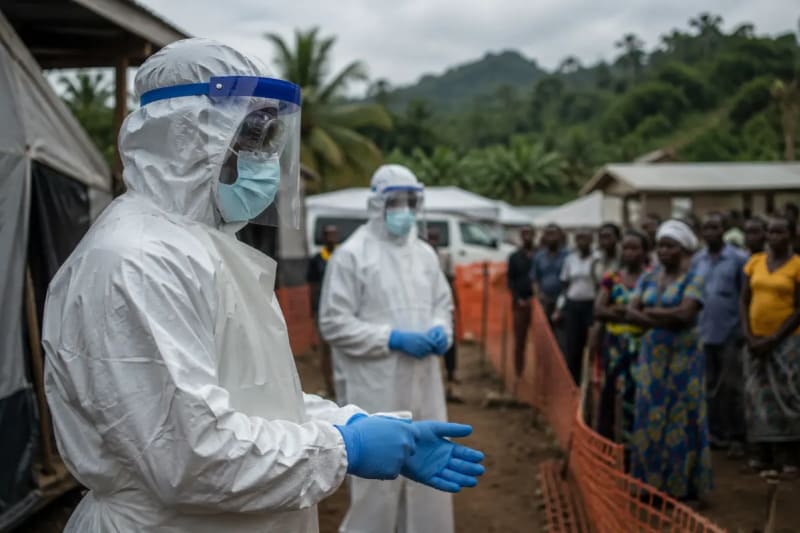
The decision applies specifically to individuals who have had direct contact with Ebola patients or contaminated materials in outbreak zones, such as healthcare workers, laboratory personnel, and aid responders. The HHS has not disclosed the exact number of Americans who may qualify, but the move signals a proactive approach to mitigating risk among those most vulnerable to infection.
Why Public Health Officials Are Concerned
Ebola virus disease remains one of the most lethal pathogens known to medicine, with case fatality rates historically ranging from 25% to 90% depending on the strain and available care. The current outbreak, centered in the Democratic Republic of the Congo, has already resulted in over 3,400 confirmed cases and 2,200 deaths since its declaration in 2018, according to the World Health Organization (WHO). While the outbreak has primarily affected local populations, the risk of international spread persists, particularly among travelers and frontline workers.
Public health officials are particularly wary of Ebola’s potential to cross borders undetected. The virus’s incubation period, up to 21 days, means infected individuals may not exhibit symptoms immediately, increasing the risk of unknowing transmission. The authorization of this experimental therapy reflects a recognition of these risks, as well as the need to provide a safety net for Americans operating in high risk settings.
Who May Be Affected
The HHS authorization targets a narrow but critical group: Americans with documented high risk exposures to Ebola. This includes:
- Healthcare workers treating Ebola patients in outbreak zones.
- Laboratory personnel handling Ebola samples without adequate protective measures.
- Aid workers and responders in direct contact with infected individuals or contaminated environments.
- Individuals who have had unprotected exposure to bodily fluids of confirmed Ebola cases.
Ordinary travelers or those without direct exposure are not eligible for the therapy. The HHS has emphasized that the treatment is not a substitute for rigorous infection control measures, such as personal protective equipment and isolation protocols.
Government and WHO Response
The HHS decision aligns with broader international efforts to combat the outbreak. The WHO has declared the current Ebola crisis a Public Health Emergency of International Concern (PHEIC), a designation reserved for extraordinary events that pose a global health risk. In response, the WHO has deployed medical teams, coordinated vaccine distribution, and supported local health authorities in contact tracing and surveillance.
The experimental therapy authorized by the HHS is one of several investigational treatments being evaluated in the region. Others include antiviral drugs and additional monoclonal antibody cocktails, some of which have shown promise in clinical trials. The WHO has called for accelerated research into these therapies, emphasizing the need for evidence based interventions to improve survival rates.
Prevention and Safety Guidance
For Americans traveling to or working in Ebola affected regions, the Centers for Disease Control and Prevention (CDC) recommends the following precautions:
- Avoid direct contact with Ebola patients or their bodily fluids. This includes blood, saliva, urine, and other secretions.
- Use personal protective equipment (PPE). Healthcare workers should adhere to strict PPE protocols, including gloves, gowns, masks, and face shields.
- Practice rigorous hand hygiene. Frequent handwashing with soap and water or alcohol based sanitizers is essential.
- Isolate suspected cases immediately. Individuals exhibiting Ebola symptoms, such as fever, severe headache, muscle pain, vomiting, or unexplained bleeding, should be isolated and reported to health authorities without delay.
- Monitor for symptoms after potential exposure. Those who may have been exposed should self monitor for 21 days and seek medical evaluation if symptoms develop.
The CDC also advises against non essential travel to outbreak zones. Americans in affected areas should register with the US embassy and follow local health advisories.
What Readers Should Know
The authorization of this experimental therapy is a reminder of both the progress and persistent challenges in combating Ebola. While the treatment offers hope for high risk individuals, it is not a panacea. The therapy’s efficacy remains unproven in large scale trials, and its use is limited to a specific subset of exposed individuals. For the broader public, the focus must remain on prevention, early detection, and adherence to proven infection control measures.
For healthcare providers, the HHS decision highlights the importance of staying informed about emerging therapies and expanded access protocols. Clinicians treating patients with potential Ebola exposure should consult the CDC or HHS for guidance on eligibility and treatment pathways.
Finally, this development underscores the critical role of global cooperation in addressing infectious disease threats. The current outbreak has tested the resilience of health systems in Central Africa, but it has also demonstrated the value of international collaboration in research, vaccine distribution, and outbreak response. As the situation evolves, continued vigilance and resource sharing will be essential to preventing further spread.
Key Takeaways
- The US HHS has authorized an experimental Ebola antibody therapy for Americans with high risk exposures in Central Africa.
- The therapy is available under expanded access protocols and is not approved for general use.
- Eligibility is limited to individuals with documented high risk exposures, such as healthcare workers and aid responders.
- Ebola remains a significant global health threat, with case fatality rates as high as 90% in some outbreaks.
- Prevention measures, including PPE, hand hygiene, and isolation protocols, remain the cornerstone of Ebola control.
- The WHO has declared the current outbreak a Public Health Emergency of International Concern, underscoring the need for coordinated global action.
Frequently Asked Questions
What is the experimental Ebola therapy authorized by the HHS?
The therapy is an investigational monoclonal antibody treatment designed to neutralize the Ebola virus. It is being provided under expanded access protocols, which allow unapproved treatments to be used in life threatening situations where no alternatives exist.
Who qualifies for the experimental Ebola treatment?
The treatment is available only to Americans with documented high risk exposures to Ebola, such as healthcare workers, laboratory personnel, or aid responders who have had direct contact with infected individuals or contaminated materials in outbreak zones.
Is the experimental therapy a cure for Ebola?
No. The therapy’s efficacy has not been fully established in large scale clinical trials. It is being offered as a potential intervention for high risk individuals, but its effectiveness remains uncertain.
What should I do if I think I’ve been exposed to Ebola?
If you believe you have been exposed to Ebola, isolate yourself immediately and contact local health authorities or the CDC. Monitor for symptoms, such as fever, severe headache, muscle pain, vomiting, or unexplained bleeding, for 21 days and seek medical evaluation if they develop.
Are there approved treatments or vaccines for Ebola?
Yes. The FDA has approved an Ebola vaccine (Ervebo) for individuals aged 18 and older, and several investigational treatments, including monoclonal antibodies and antiviral drugs, are being used in outbreak settings. However, access to these interventions varies by region and availability.
Medical Review: MedSense Editorial Board











DISCUSSION (0)
POST A COMMENT