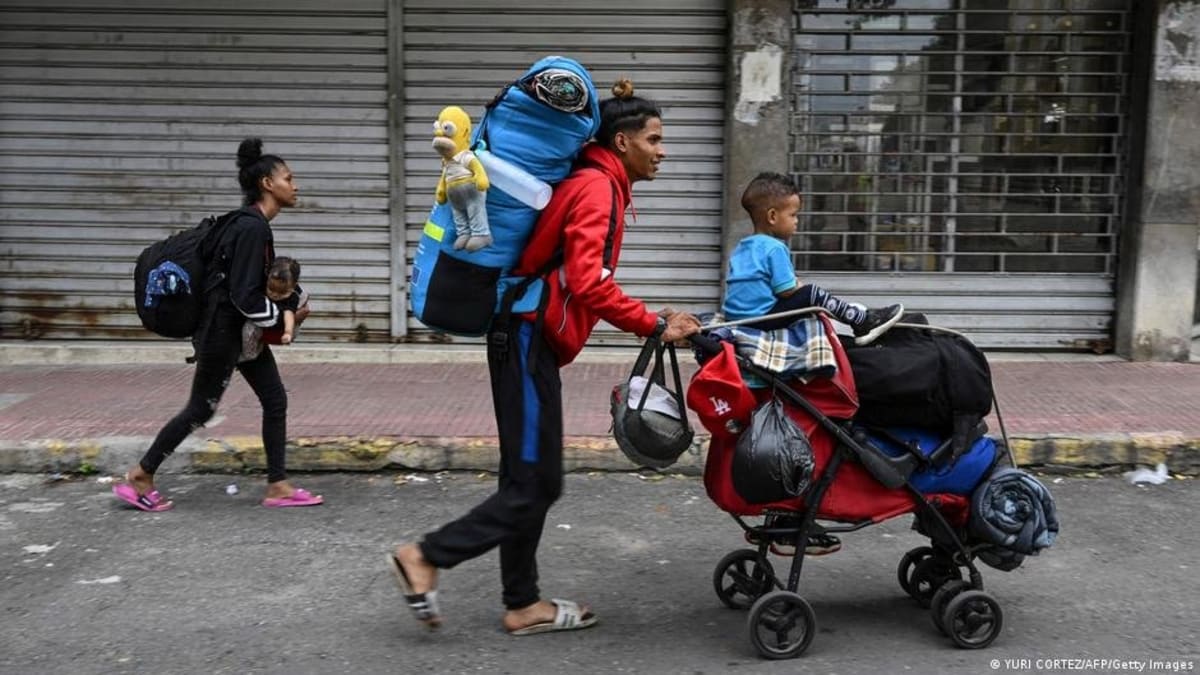
For refugee children who fled conflict zones alone and sought safety in the United Kingdom, the journey to survival was only the beginning of a lifelong struggle with trauma. A new study by researchers at the University of East Anglia reveals the enduring psychological scars carried by those who arrived as unaccompanied minors, particularly from Afghanistan, and underscores the critical gaps in support systems designed to help them heal.
The findings, published in BMC Public Health, are based on extensive interviews with adults who experienced family separation, human rights abuses, and extreme violence before and during their displacement. Their accounts describe a pattern of silent suffering, resilience, and the persistent burden of untreated psychological wounds.
What Happened
Researchers conducted in depth interviews with refugee adults who arrived in the UK as unaccompanied minors, focusing on those from Afghanistan. The study documents the long term psychological and physical consequences of their experiences, including family separation, human rights abuses, and exposure to violence. Many participants reported ongoing struggles with intrusive memories, chronic loneliness, and physical symptoms linked to prolonged stress.
Why Public Health Officials Are Concerned
The study highlights systemic failures in addressing the mental health needs of refugee minors, who often face barriers to care due to language differences, stigma, and a lack of culturally competent providers. The asylum process itself can retraumatize individuals, with prolonged uncertainty and frequent relocations disrupting stability. Economic hardship further exacerbates stress, making it difficult to access basic needs or therapeutic resources.
Dr. Laura Jobson, lead researcher and a clinical psychologist at the University of East Anglia, notes that while these individuals have shown remarkable resilience, their suffering persists because the systems meant to support them are failing to recognize the depth of their trauma. “These are people who have survived unimaginable circumstances,” she says. “Yet their pain remains invisible because the structures around them are not equipped to see it.”
Symptoms or Risk Factors
The psychological toll on these refugees includes symptoms consistent with complex post traumatic stress disorder (C PTSD), a condition arising from prolonged exposure to trauma, often in childhood. Unlike traditional PTSD, C PTSD involves additional challenges such as emotional dysregulation, negative self concept, and interpersonal difficulties. Participants reported:
- Relentless flashbacks and nightmares disrupting daily life.
- A profound sense of isolation, worsened by cultural displacement and limited social networks.
- Somatic symptoms linked to prolonged stress, including headaches, gastrointestinal issues, and musculoskeletal pain.
- Difficulty managing emotions, leading to outbursts, withdrawal, or emotional numbness.
- Persistent feelings of guilt over surviving when family members did not or over perceived failures during their journey.
Who May Be Affected
The findings primarily impact refugee minors who arrived in the UK as unaccompanied asylum seekers, particularly those from conflict zones such as Afghanistan. These individuals often face compounded challenges due to language barriers, cultural differences, and socioeconomic disadvantages. Their experiences highlight the need for targeted interventions to address their unique mental health and social support needs.
Government or WHO Response
While the UK government has implemented some programs to support refugee mental health, such as trauma informed therapy initiatives and community integration efforts, critics argue these measures are insufficient. The study calls for systemic reforms, including increased funding for culturally competent mental health services, streamlined asylum processes, and economic empowerment programs to reduce financial strain on affected individuals.
According to the World Health Organization, mental health conditions account for a significant portion of the global disease burden, with refugees and migrants facing disproportionately higher risks. The WHO emphasizes the need for integrated, long term support systems to address the complex needs of trauma affected populations.
Prevention and Safety Guidance
Experts recommend several strategies to mitigate the long term impact of trauma on refugee minors:
- Trauma informed care: Training healthcare providers in culturally sensitive, trauma focused therapies such as narrative exposure therapy (NET) or eye movement desensitization and reprocessing (EMDR).
- Community integration programs: Initiatives that foster social connections, such as language classes, cultural exchange events, and peer support groups.
- Legal and social advocacy: Streamlining asylum processes and providing legal aid to reduce bureaucratic stressors that can retraumatize individuals.
- Economic empowerment: Programs that offer vocational training, employment opportunities, and financial literacy to alleviate economic strain and improve stability.
What Readers Should Know
Refugee minors who arrived in the UK as unaccompanied children continue to grapple with the psychological and physical aftermath of their experiences, often in isolation. Their stories reveal the urgent need for systemic reforms in mental health care, social support, and legal processes to address the unique challenges they face. Recognizing the signs of trauma and advocating for accessible, culturally competent care are critical steps in supporting their healing and integration.
Key Takeaways
- Refugee minors who arrived in the UK as unaccompanied children often face lifelong psychological trauma, including symptoms of complex PTSD.
- Systemic barriers such as language differences, stigma, and lack of culturally competent care prevent many from accessing mental health support.
- The asylum process itself can retraumatize individuals, with prolonged uncertainty and frequent relocations disrupting stability.
- Economic hardship further exacerbates stress, making it difficult to access basic needs or therapeutic resources.
- Experts call for trauma informed care, community integration programs, legal advocacy, and economic empowerment to address these challenges.
Frequently Asked Questions
What is complex post traumatic stress disorder (C PTSD), and how does it differ from traditional PTSD?
Complex PTSD arises from prolonged exposure to traumatic events, often in childhood, and includes additional challenges such as emotional dysregulation, negative self concept, and interpersonal difficulties. Unlike traditional PTSD, which typically stems from a single traumatic event, C PTSD involves ongoing trauma and its cumulative effects on mental health.
What barriers prevent refugee minors from accessing mental health care in the UK?
Barriers include language differences, stigma surrounding mental health, a lack of culturally competent providers, and systemic challenges such as prolonged asylum processes and frequent relocations that disrupt stability.
How can communities and healthcare providers better support refugee minors affected by trauma?
Communities and providers can support affected individuals by offering trauma informed care, fostering social connections through integration programs, advocating for streamlined legal processes, and providing economic empowerment opportunities such as vocational training and employment support.
What role does the UK government play in addressing the mental health needs of refugee minors?
The UK government has implemented some programs, such as trauma informed therapy initiatives and community integration efforts. However, critics argue these measures are insufficient and call for systemic reforms, including increased funding for culturally competent mental health services and economic support programs.
Why is long term support important for individuals who experienced trauma as children?
Trauma from childhood can manifest in unpredictable ways throughout adulthood. Long term support is essential because healing is not linear and requires patience, consistency, and a commitment to addressing the root causes of distress.
Medical Review: MedSense Editorial Board









DISCUSSION (0)
POST A COMMENT