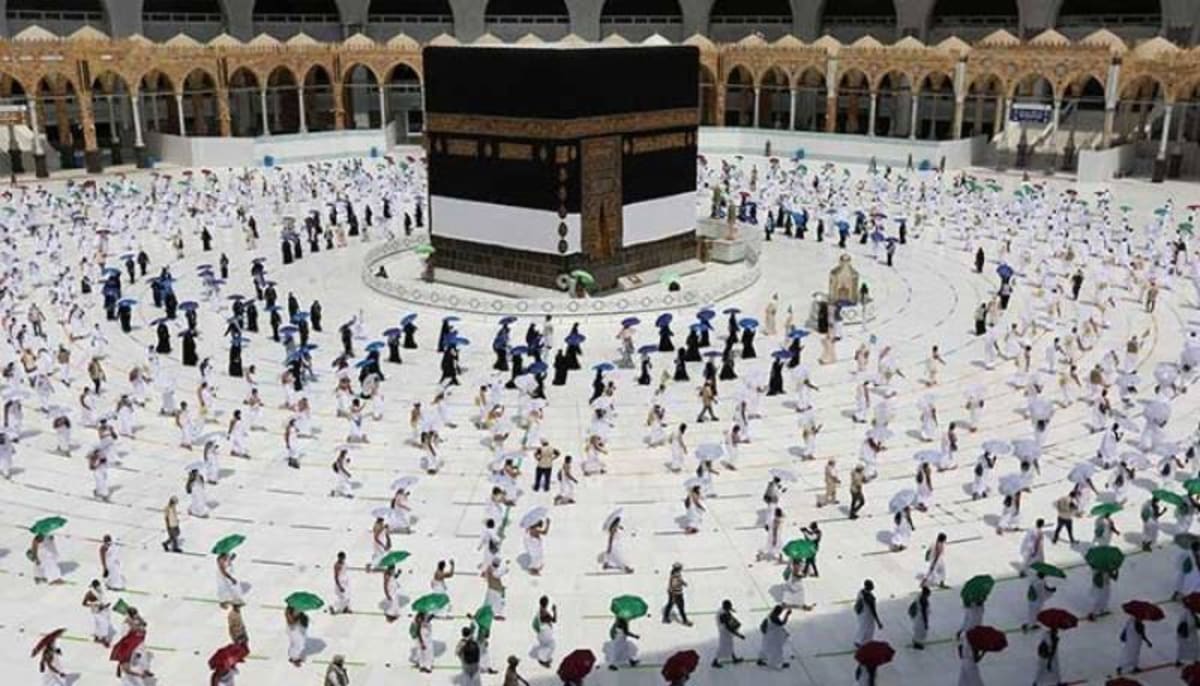
A 73 year old Nigerian pilgrim died from cardiac arrest while traveling from Jeddah to Madinah during the Hajj pilgrimage in Saudi Arabia, Saudi officials confirmed. The incident has drawn attention to the heightened health risks faced by elderly worshippers in one of the world’s largest annual gatherings.
What Happened
The pilgrim, a resident of Adamawa State in northeastern Nigeria, suffered a sudden cardiac arrest en route to Madinah. Saudi authorities reported the death but did not disclose additional details about the circumstances surrounding the emergency.
Why Public Health Officials Are Concerned
The Hajj pilgrimage attracts millions of worshippers annually, including a significant number of elderly participants who may have pre existing health conditions. Cardiac arrest, a leading cause of death among older adults, poses a heightened risk in environments characterized by extreme physical exertion, high temperatures, and crowded conditions.
According to the World Health Organization (WHO), cardiovascular diseases account for an estimated 17.9 million deaths globally each year, with older adults being particularly vulnerable to acute cardiac events in high stress settings.
Symptoms or Risk Factors
Cardiac arrest occurs when the heart abruptly stops beating, disrupting blood flow to the brain and other organs. Key risk factors for elderly pilgrims include:
- Pre existing cardiovascular conditions, such as coronary artery disease or heart failure
- Physical exertion from long distance travel, extreme heat, and prolonged standing
- Dehydration and heat exhaustion, which can exacerbate underlying heart conditions
- Delayed access to medical care in crowded or remote locations
Symptoms of an impending cardiac event may include chest pain, shortness of breath, dizziness, or sudden fatigue. Immediate medical intervention is critical to improve survival outcomes.
Who May Be Affected
Elderly pilgrims, particularly those with pre existing heart conditions, are at the greatest risk during Hajj. The pilgrimage’s physical demands, combined with Saudi Arabia’s high temperatures during the season, create an environment where cardiovascular strain is significantly elevated.
Health authorities emphasize that while younger, healthier pilgrims may tolerate the conditions, older adults require additional precautions to mitigate risks.
Government or WHO Response
Saudi Arabia’s Ministry of Health has implemented measures to enhance medical preparedness for Hajj, including the deployment of mobile medical units, emergency response teams, and cooling stations to combat heat related illnesses. The WHO provides technical guidance to support the country’s efforts in managing health risks during mass gatherings.
In recent years, Saudi authorities have expanded on site medical infrastructure, including hospitals and clinics near major pilgrimage sites, to ensure rapid response capabilities. However, officials continue to stress the importance of individual health assessments before travel.
Prevention and Safety Guidance
Health experts recommend the following precautions for elderly pilgrims and their caregivers:
- Undergo a comprehensive medical evaluation before travel, including a cardiovascular assessment
- Stay hydrated and avoid prolonged exposure to extreme heat, especially during midday hours
- Wear lightweight, breathable clothing and use sun protection
- Plan rest breaks and avoid overexertion during rituals
- Carry essential medications and a list of medical conditions for emergency responders
- Identify the nearest medical facilities along planned travel routes
Pilgrims traveling with companions should ensure that at least one person is familiar with basic life support techniques, such as cardiopulmonary resuscitation (CPR).
What Readers Should Know
This incident serves as a reminder that while Hajj is a deeply spiritual journey, it also demands significant physical endurance. Older adults and those with chronic health conditions must take proactive steps to safeguard their well being during the pilgrimage.
For families accompanying elderly relatives, thorough pre travel planning and awareness of medical resources in Saudi Arabia are essential. Pilgrims should register with their country’s Hajj mission or embassy to receive updates on health advisories and emergency contacts.
Key Takeaways
- Cardiac arrest is a leading cause of death among elderly individuals, particularly in high stress or physically taxing environments like the Hajj pilgrimage.
- Pre existing cardiovascular conditions, dehydration, and extreme heat significantly increase health risks for older pilgrims.
- Saudi authorities have expanded medical infrastructure for Hajj, but individual health assessments and precautions remain critical.
- Elderly pilgrims should undergo pre travel medical evaluations, stay hydrated, and plan rest breaks to mitigate risks.
- Companions of elderly pilgrims should be prepared to assist in medical emergencies and know basic life support techniques.
Frequently Asked Questions
What are the warning signs of a cardiac arrest during Hajj?
Warning signs may include sudden chest pain, shortness of breath, dizziness, nausea, or an irregular heartbeat. If these symptoms occur, seek immediate medical attention.
How can elderly pilgrims prepare for the physical demands of Hajj?
Elderly pilgrims should undergo a pre travel medical evaluation, stay hydrated, avoid prolonged exposure to heat, and plan rest breaks. Carrying a list of medications and medical conditions is also advised.
What medical support is available for pilgrims during Hajj?
Saudi Arabia deploys mobile medical units, emergency response teams, and cooling stations near major pilgrimage sites. Hospitals and clinics are strategically located to provide rapid care.
Are there specific health advisories for Nigerian pilgrims traveling to Hajj?
Nigerian health authorities and Hajj missions provide health advisories, including vaccination requirements and pre travel medical guidelines. Pilgrims are encouraged to register with their country’s Hajj mission for updates.
What should companions of elderly pilgrims do in case of a medical emergency?
Companions should know basic life support techniques, such as CPR, and be familiar with the nearest medical facilities. Carrying a list of the pilgrim’s medical conditions and medications is critical.
Medical Review: MedSense Editorial Board









DISCUSSION (0)
POST A COMMENT