Global medical technology is undergoing a rapid transformation, fueled by surging demand for minimally invasive cardiac procedures, the expanding adoption of surgical robotics, and a wave of regulatory approvals for AI driven medical devices. Hospitals are retooling their infrastructure to meet these shifts, while experimental therapies like brain cooling technology advance through clinical trials.
Among the most pronounced trends is the accelerating growth of Transcatheter Aortic Valve Replacement (TAVR), a procedure that has redefined structural heart interventions. Once reserved for high risk patients, TAVR is now being performed across broader patient populations, driven by its ability to replace heart valves without open heart surgery.
What Happened
TAVR procedures have seen a sharp rise in global demand, particularly among older adults and patients deemed high risk for traditional open heart surgery. Hospitals are expanding their catheterization lab capacities to accommodate the influx, reflecting a broader transition in cardiology toward minimally invasive structural interventions.
Why Public Health Officials Are Concerned
While the growth of TAVR and other minimally invasive technologies improves patient outcomes, it also places pressure on healthcare systems to ensure equitable access and maintain high safety standards. Regulators are closely monitoring the rapid adoption of AI powered devices to prevent potential risks associated with algorithmic bias or insufficient clinical validation.
Symptoms or Risk Factors
TAVR is primarily indicated for patients with severe aortic stenosis who are at elevated risk for surgical complications. Symptoms of aortic stenosis include:
- Shortness of breath, especially during exertion
- Chest pain or tightness
- Fatigue or dizziness
- Heart palpitations or irregular heartbeat
Who May Be Affected
The expansion of TAVR and robotic assisted surgeries is most pronounced among:
- Adults aged 65 and older with aortic valve disease
- Patients with multiple comorbidities who are poor candidates for open heart surgery
- Hospitals in urban and suburban settings upgrading their surgical infrastructure
- Medical device manufacturers and AI developers seeking regulatory approvals
Government or WHO Response
Regulatory agencies, including the U.S. Food and Drug Administration (FDA) and the European Medicines Agency (EMA), have established accelerated pathways for AI driven medical devices, particularly in diagnostics and imaging. These agencies are also tightening post market surveillance requirements to ensure ongoing safety and efficacy. The World Health Organization (WHO) has emphasized the need for global standards in AI medical device regulation to prevent disparities in patient care.
Prevention and Safety Guidance
For patients considering TAVR or robotic assisted surgeries, experts recommend:
- Consulting with a multidisciplinary heart team to assess suitability for the procedure
- Ensuring the hospital has experience with high volume TAVR or robotic surgeries
- Discussing potential risks and benefits with a cardiologist or cardiac surgeon
- Following post procedural care instructions to optimize recovery
What Readers Should Know
The convergence of TAVR, surgical robotics, and AI is reshaping cardiac care, offering patients less invasive options with faster recovery times. However, the rapid pace of innovation also raises questions about long term safety, equitable access, and the sustainability of healthcare systems. Patients and providers alike should stay informed about regulatory updates and emerging clinical evidence to make well informed decisions.
Clinical Significance
The rise of TAVR and robotic assisted surgeries marks a pivotal shift in cardiac care, reducing recovery times and procedural risks for patients who were previously limited to high risk open heart procedures. AI driven medical devices are similarly transforming diagnostics and clinical decision making, enabling earlier and more accurate interventions.
Deep Dive and Research Findings
Clinical trials and real world data continue to demonstrate the safety and efficacy of TAVR in intermediate risk patients, expanding its use beyond the initial high risk population. Surgical robotics, led by companies like Intuitive Surgical, are now being adopted in mid tier hospitals, not just academic medical centers, signaling a democratization of advanced surgical tools. AI devices, meanwhile, are gaining traction in imaging and diagnostics, with regulators prioritizing approvals for tools that demonstrate clear clinical benefits.
Future Outlook and Medical Implications
The next phase of medical technology innovation is likely to focus on integrating AI into surgical robotics, creating systems that can adapt in real time to patient specific data. Regulatory frameworks will need to evolve to keep pace with these advancements, ensuring that innovation does not outstrip patient safety. For healthcare systems, the challenge will be balancing the adoption of these technologies with cost containment and workforce training.
Patient or Practitioner Guidance
Patients considering TAVR or robotic assisted surgeries should seek care at centers with high procedural volumes and experienced teams. Practitioners should stay updated on the latest clinical guidelines and regulatory approvals for AI driven tools to ensure optimal patient outcomes. Collaboration between cardiologists, cardiac surgeons, and device manufacturers will be critical in navigating this rapidly evolving landscape.
Key Takeaways
- TAVR procedures are surging globally, driven by demand for minimally invasive cardiac interventions and expanding hospital infrastructure.
- Surgical robotics, led by Intuitive Surgical, are being adopted across a broader range of hospitals, not just top tier centers.
- AI powered medical devices are gaining regulatory approvals, particularly in imaging and diagnostics, but require robust post market surveillance.
- Regulators are balancing innovation with patient safety by tightening oversight on algorithm transparency and clinical validation.
- Patients and providers should prioritize high volume centers and stay informed about emerging clinical evidence and regulatory updates.
Frequently Asked Questions
What is TAVR, and how does it differ from traditional open heart surgery?
Transcatheter Aortic Valve Replacement (TAVR) is a minimally invasive procedure that replaces a diseased aortic valve without open heart surgery. Unlike traditional open heart surgery, TAVR uses a catheter inserted through a small incision, typically in the groin or chest, to deliver and implant a new valve. This approach reduces recovery time and procedural risks, making it suitable for patients who are high risk for surgery.
How are surgical robotics changing the landscape of modern surgery?
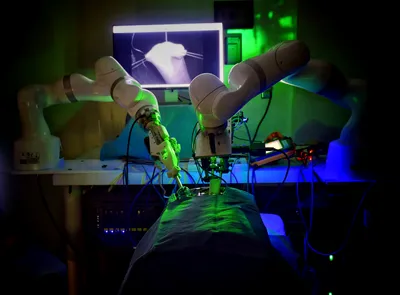
Surgical robotics, such as those developed by Intuitive Surgical, enable surgeons to perform procedures with greater precision and control. These systems are being used across urology, gynecology, and general surgery, and their adoption is expanding to mid tier hospitals. The technology allows for smaller incisions, reduced blood loss, and faster recovery times, while also providing surgeons with enhanced visualization and dexterity.
What are the key benefits and risks of AI powered medical devices?
AI powered medical devices offer benefits such as improved diagnostic accuracy, faster image analysis, and enhanced clinical decision support. However, risks include potential algorithmic bias, lack of transparency in decision making, and insufficient clinical validation. Regulators are addressing these concerns by implementing stricter post market surveillance and requiring robust validation studies before approval.
Who should consider TAVR, and what are the eligibility criteria?
TAVR is typically recommended for patients with severe aortic stenosis who are at high or intermediate risk for open heart surgery. Eligibility is determined by a multidisciplinary heart team, which considers factors such as age, comorbidities, and anatomical suitability. Patients with symptoms such as shortness of breath, chest pain, or fatigue may be evaluated for TAVR.
How can patients ensure they receive high quality care with these advanced technologies?
Patients should seek care at hospitals with high procedural volumes and experienced teams for TAVR or robotic assisted surgeries. It is also important to discuss potential risks and benefits with a cardiologist or cardiac surgeon and follow post procedural care instructions closely. Staying informed about the latest clinical guidelines and regulatory updates can further enhance patient safety and outcomes.
Medical Review: MedSense Editorial Board






DISCUSSION (0)
POST A COMMENT