By 2026, the convergence of gene editing, regenerative medicine, and artificial intelligence is accelerating the transformation of global healthcare. Researchers are no longer confined to managing symptoms; they are altering disease trajectories at their source. From correcting genetic mutations to printing functional tissue and deploying AI driven diagnostics, these advances are redefining clinical practice and patient outcomes.
While full scale organ replacement remains on the horizon, early clinical applications are already demonstrating measurable impact. The integration of real time health monitoring with predictive analytics is shifting care from reactive to proactive, particularly for chronic and inherited conditions.
Clinical Significance
These innovations are not merely technological novelties; they represent a fundamental shift in how diseases are addressed. Gene editing tools like CRISPR based therapies are moving beyond experimental stages into clinical use for conditions such as sickle cell disease and certain forms of inherited blindness. Regenerative medicine, supported by advances in stem cell biology, is enabling the repair of damaged heart tissue after myocardial infarction and restoring function in degenerative joint diseases.
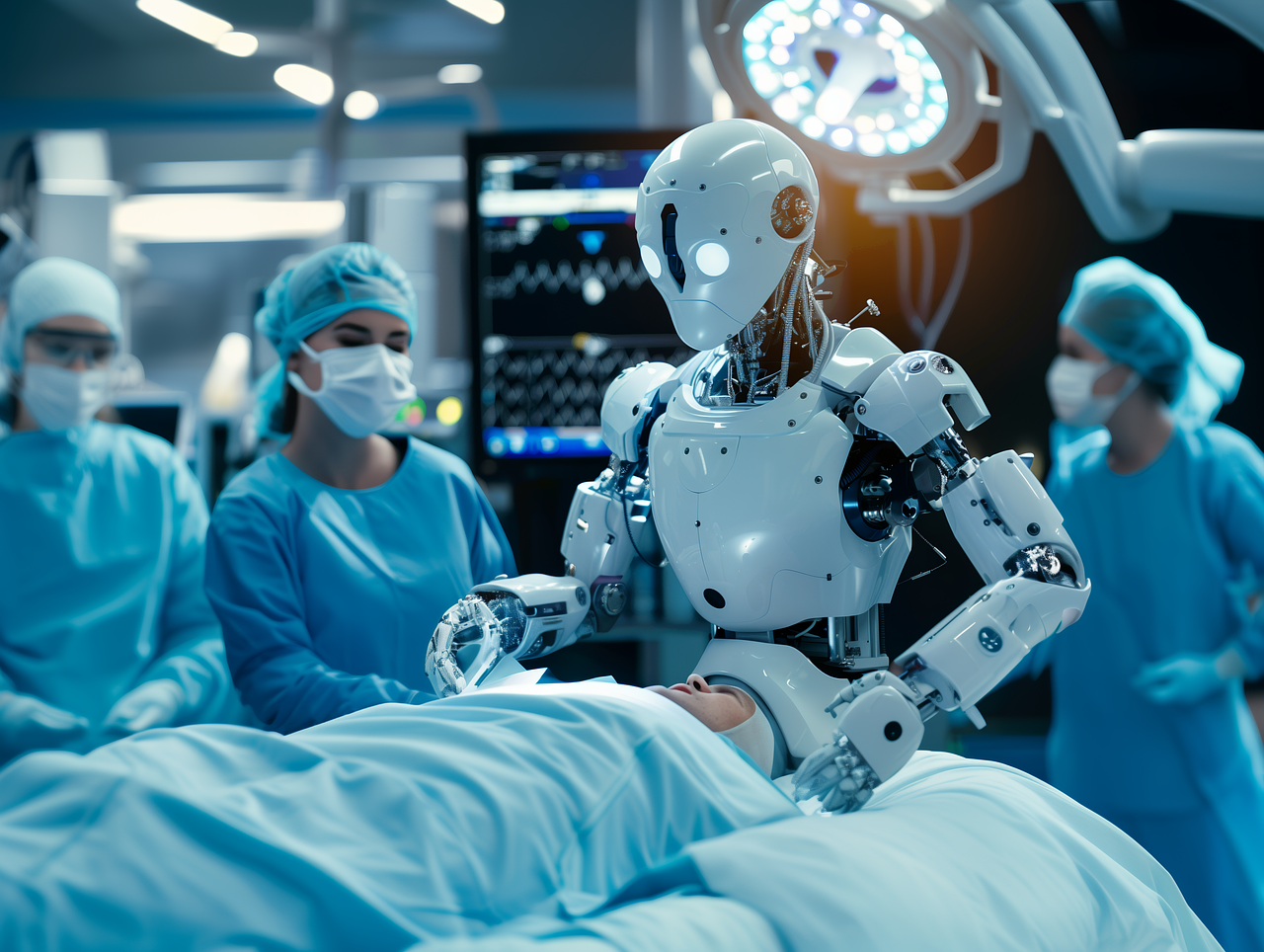
Meanwhile, AI powered diagnostic platforms are reducing false negatives in cancer screenings and improving triage accuracy in emergency departments. The integration of these technologies into standard care pathways is expected to lower healthcare costs by preventing complications and reducing hospital readmissions.
Deep Dive and Research Findings
Gene editing has entered a new phase with base editing and prime editing techniques that allow precise DNA modifications without introducing double strand breaks, reducing off target risks. Clinical trials are underway for therapies targeting beta thalassemia and transthyretin amyloidosis, with early data showing sustained clinical benefit.
In regenerative medicine, 3D bioprinting has progressed from printing simple skin grafts to vascularized tissue constructs. A team at the Wake Forest Institute for Regenerative Medicine reported successful implantation of bioprinted skin grafts in burn patients, demonstrating integration with host tissue and reduced infection rates. While whole organ printing remains years away, researchers are focusing on smaller, functional units such as liver lobules and kidney glomeruli.
AI diagnostics are achieving performance comparable to radiologists in detecting breast cancer on mammograms and lung nodules on CT scans. According to a study published in Nature Medicine, an AI model trained on over 1 million imaging studies achieved 94% sensitivity in breast cancer detection, matching expert radiologists while reducing false positives by 15%.
Future Outlook and Medical Implications
The next five years will likely see the emergence of personalized treatment algorithms that combine genomic data, wearable sensor outputs, and environmental exposures to predict disease risk and recommend individualized interventions. Regulatory agencies are preparing frameworks for real time adaptive clinical trials that adjust dosing or treatment pathways based on AI driven interim analyses.
For healthcare systems, the challenge will be balancing innovation with equitable access. While early adopters in high income countries may benefit first, global health organizations are advocating for international collaboration to ensure these technologies reach underserved populations. The World Health Organization has called for shared standards in data governance and ethical oversight to prevent disparities in access.
Patient or Practitioner Guidance
Patients with inherited conditions or chronic degenerative diseases should discuss emerging gene therapies and regenerative options with their specialists. Clinical trials are expanding, and eligibility criteria are becoming more inclusive. Individuals considering wearable health monitors should prioritize devices with FDA clearance or CE marking and ensure data privacy protections are in place.
Healthcare providers must integrate AI tools into existing workflows while maintaining clinical judgment. Training programs are being developed to help clinicians interpret AI outputs and understand the limitations of predictive models. Hospitals are encouraged to adopt interoperable systems that allow seamless integration of genomic data, imaging, and real time monitoring into electronic health records.
Key Takeaways
- Gene editing technologies are transitioning from experimental to clinical use, offering potential cures for inherited diseases like sickle cell anemia and inherited blindness.
- 3D bioprinting has achieved functional tissue implants, with progress toward vascularized organs that could reduce transplant waiting lists.
- AI powered diagnostics are improving early disease detection, particularly in cancer and cardiovascular conditions, with accuracy rates approaching those of human experts.
- Wearable health monitors now provide continuous, real time data streams that enable early intervention and personalized care plans.
- Equitable access remains a critical challenge as these innovations advance, requiring global collaboration and regulatory alignment.
Frequently Asked Questions
Are gene editing therapies approved for widespread clinical use in 2026?
Several gene editing therapies have received regulatory approval for specific conditions, including treatments for sickle cell disease and certain forms of inherited blindness. Approval pathways vary by country, and access is currently limited to specialized centers. Patients should consult their physicians to determine eligibility.
How close are we to 3D bioprinted organs for transplantation?
While bioprinted tissues such as skin grafts and vascularized patches are in clinical use, full scale organ replacement remains experimental. Researchers are focusing on smaller functional units like liver lobules and kidney glomeruli, with whole organ printing expected to take at least another decade.
Can AI diagnostics replace radiologists or pathologists?
AI tools are designed to assist, not replace, clinicians. They excel at pattern recognition and can flag abnormalities for review, but final interpretation and clinical decisions remain the responsibility of trained professionals. Current models are most effective when used in tandem with human expertise.
What should patients look for in a wearable health monitor?
Prioritize devices with regulatory clearance (FDA, CE marking) and strong data encryption. Ensure the device integrates with your healthcare provider’s systems and has transparent policies on data sharing. Avoid devices that lack peer reviewed validation studies.
How will these innovations impact healthcare costs?
While initial costs may be high, these technologies have the potential to reduce long term expenses by preventing complications, reducing hospitalizations, and enabling earlier interventions. Cost effectiveness will depend on scalability, regulatory frameworks, and insurance coverage policies.
Medical Review: MedSense Editorial Board




DISCUSSION (0)
POST A COMMENT