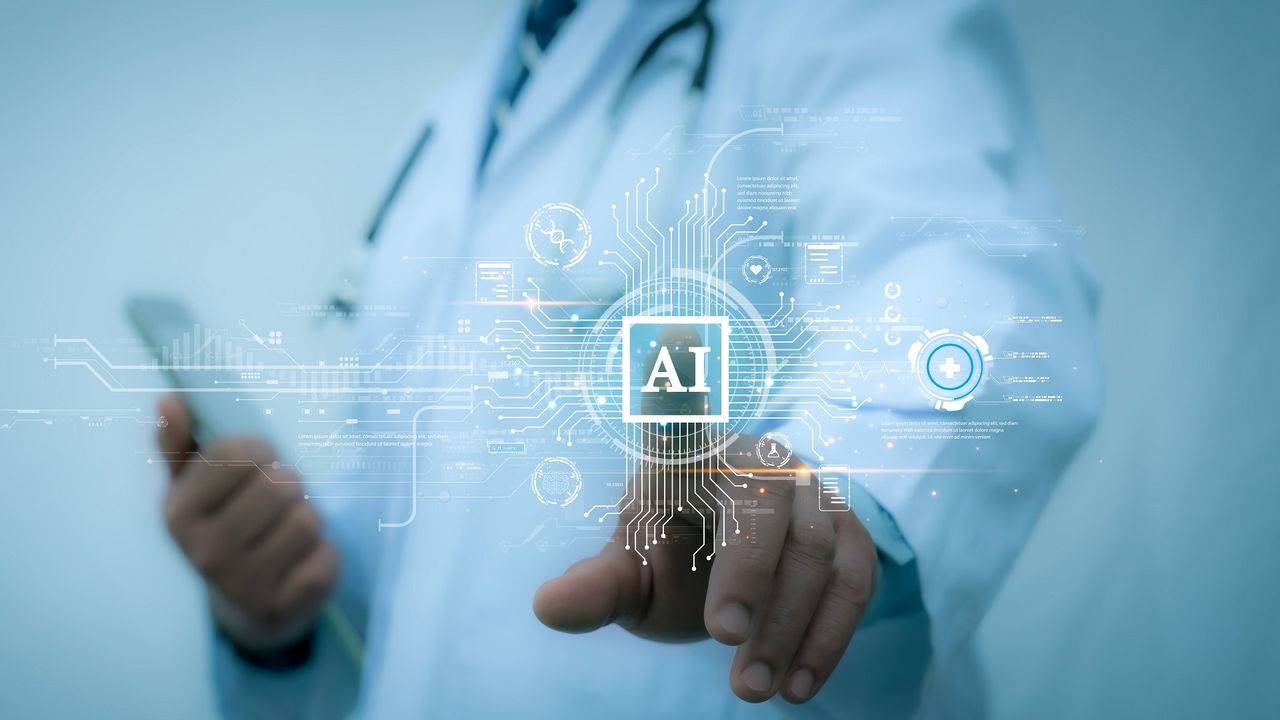
Artificial intelligence has moved from experimental novelty to a foundational element of modern healthcare systems. By 2026, AI is embedded in clinical workflows across hospitals, research institutions, and digital health platforms, fundamentally altering how diseases are identified, managed, and treated.
Machine learning algorithms now process medical imaging, analyze patient data, and support clinical decisions with precision that rivals or exceeds human experts in specific tasks. The shift is not merely technological, it is redefining the relationship between patient and provider, enabling earlier interventions and more personalized care.
Clinical Significance
AI’s integration into healthcare is no longer speculative. Hospitals in North America, Europe, and parts of Asia are deploying AI tools for radiology, pathology, and emergency medicine, where speed and accuracy directly influence patient survival. In oncology, AI systems assist radiologists in detecting breast, lung, and colorectal cancers at earlier stages, when treatment is most effective.
At Mayo Clinic, AI powered tools have reduced the time required to analyze cardiac MRI scans from hours to minutes, allowing cardiologists to prioritize high risk patients and initiate interventions faster. Similar systems at Memorial Sloan Kettering Cancer Center are being used to identify genetic mutations in tumors, guiding targeted therapy selection.
Deep Dive and Research Findings
Research published in Nature Medicine in 2025 demonstrated that an AI model trained on over 1 million retinal scans could predict diabetic retinopathy progression with 94% accuracy, outperforming many ophthalmologists in early stage detection. The study, led by investigators at Moorfields Eye Hospital and DeepMind Health, showed that the model could flag high risk patients up to two years before symptoms appeared.
In emergency departments, AI triage systems are being tested to prioritize patients based on severity. A 2024 trial at Massachusetts General Hospital found that an AI driven triage tool reduced wait times by 30% while maintaining diagnostic accuracy. The system analyzes vital signs, lab results, and patient history to assign urgency scores, helping clinicians allocate resources more effectively.
Future Outlook and Medical Implications
The next phase of AI in healthcare will likely focus on predictive analytics and preventive care. Companies like IBM Watson Health and Tempus are developing platforms that integrate genomic data, electronic health records, and real time wearables to forecast disease risk years in advance. These tools aim to shift medicine from reactive treatment to proactive prevention, identifying individuals at high risk for conditions like heart disease, diabetes, and Alzheimer’s before symptoms develop.
Regulatory agencies are also adapting. The U.S. Food and Drug Administration has approved over 200 AI enabled medical devices as of 2026, with a streamlined process for software as a medical device (SaMD) approvals. The European Medicines Agency and Japan’s Pharmaceuticals and Medical Devices Agency have followed suit, establishing frameworks to evaluate AI tools for safety, efficacy, and clinical utility.
Patient or Practitioner Guidance
For patients, the rise of AI in healthcare means faster diagnoses, more personalized treatment plans, and greater access to specialist expertise through telemedicine platforms. However, it also raises questions about data ownership, algorithm transparency, and the role of human judgment in clinical decisions. Patients should ask their providers about how AI is being used in their care, what safeguards are in place to protect their data, and whether AI recommendations are being reviewed by human clinicians.
For healthcare professionals, AI is becoming an indispensable tool for managing information overload. Clinicians report that AI assisted systems help reduce burnout by automating routine tasks such as chart review and image analysis, allowing them to focus on complex patient interactions. Medical schools are beginning to incorporate AI literacy into their curricula, preparing the next generation of physicians to work alongside intelligent systems.
Key Takeaways
- AI is now a core clinical tool in 2026, embedded in hospitals and research centers for tasks such as medical imaging analysis, predictive diagnostics, and clinical decision support.
- Early disease detection using AI has improved outcomes in oncology, cardiology, and ophthalmology, with studies showing AI models outperforming human experts in specific diagnostic tasks.
- Predictive healthcare powered by AI enables early intervention for conditions like diabetes, heart disease, and Alzheimer’s by analyzing genetic, lifestyle, and clinical data.
- Regulatory agencies have approved over 200 AI enabled medical devices, with streamlined approval processes to accelerate adoption while ensuring patient safety.
- Patients should inquire about AI’s role in their care, data privacy protections, and the balance between algorithmic recommendations and human oversight.
Frequently Asked Questions
How accurate are AI systems in diagnosing diseases compared to human doctors?
AI systems have demonstrated high accuracy in specific diagnostic tasks, such as detecting breast cancer in mammograms or identifying diabetic retinopathy in retinal scans. In controlled studies, some AI models have matched or exceeded the performance of human experts. However, accuracy varies by task, and AI is typically used as a decision support tool rather than a replacement for clinicians.
What are the main risks associated with AI in healthcare?
Key risks include data privacy concerns, potential biases in training datasets that could lead to disparities in care, and the need for rigorous clinical validation before deployment. There are also concerns about over reliance on AI, which could reduce the role of clinical judgment and patient doctor relationships.
How is AI being used in emergency medicine?
AI triage systems analyze patient data such as vital signs, lab results, and medical history to assign urgency scores, helping emergency departments prioritize care. These systems aim to reduce wait times and improve resource allocation, particularly in high volume settings.
Are AI tools in healthcare regulated, and how can patients trust their safety?
Regulatory bodies like the U.S. FDA, European Medicines Agency, and Japan’s PMDA have established frameworks for evaluating AI enabled medical devices. Approval processes focus on safety, efficacy, and clinical utility. Patients can look for devices with regulatory clearance and ask providers about the evidence supporting their use.
What role does AI play in preventive healthcare?
AI models analyze genetic, lifestyle, and clinical data to identify individuals at high risk for diseases such as diabetes, heart disease, or Alzheimer’s. By flagging high risk patients early, clinicians can implement preventive measures, such as lifestyle changes or targeted screenings, to delay or prevent disease onset.
Medical Review: MedSense Editorial Board





DISCUSSION (0)
POST A COMMENT