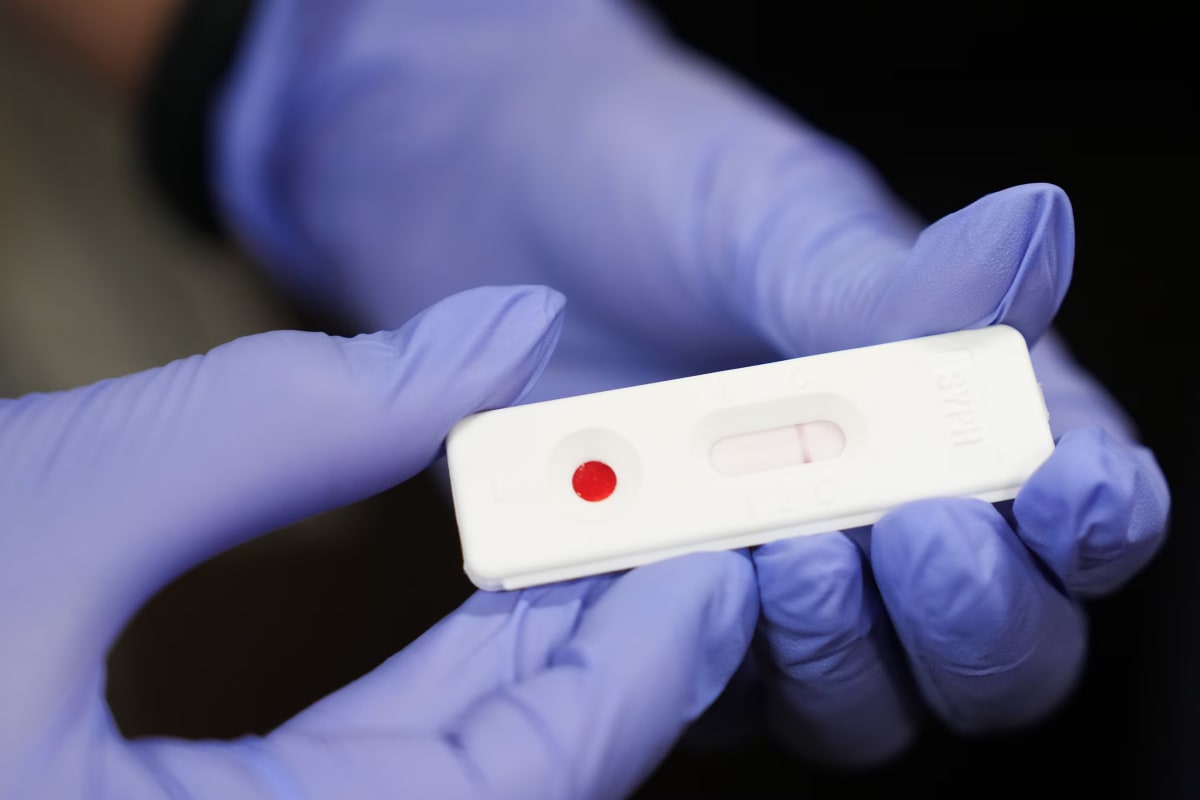
The United States has seen a modest decline in reported cases of chlamydia, gonorrhea, and syphilis over the past two years, according to provisional data from the Centers for Disease Control and Prevention (CDC). Yet, despite this progress, the total number of infections in 2024 exceeded 2.2 million, a figure that remains 13% higher than a decade ago. Public health experts warn that the persistent burden of these sexually transmitted infections underscores gaps in prevention, diagnosis, and treatment that continue to challenge the nation’s healthcare system.
What Happened
The CDC’s latest provisional data indicate a downward trend in reported cases of chlamydia, gonorrhea, and syphilis between 2022 and 2024. However, the overall burden of these infections remains significantly elevated compared to historical levels. In 2024 alone, more than 2.2 million cases were documented, reflecting a sustained public health concern that has persisted despite recent improvements.
Why Public Health Officials Are Concerned
While the decline in cases is encouraging, the fact that infection rates are still 13% higher than a decade ago signals that underlying issues remain unresolved. Public health officials attribute the persistent challenge to several factors, including inconsistent access to healthcare, gaps in sexual health education, and the lingering effects of the COVID 19 pandemic on healthcare delivery. The rise of antibiotic resistant strains of gonorrhea further complicates treatment efforts, raising the stakes for prevention and early intervention.
Symptoms or Risk Factors
Each of these STIs presents distinct symptoms, though many infections can be asymptomatic, particularly in their early stages. Chlamydia often causes no immediate symptoms but may lead to complications such as infertility if left untreated. Gonorrhea can result in painful urination, discharge, and, in severe cases, systemic infections. Syphilis progresses through stages, beginning with painless sores and potentially advancing to neurological or cardiovascular damage if untreated. Populations at higher risk include sexually active individuals under 25, men who have sex with men, and people with multiple sexual partners.
Who May Be Affected
The burden of these infections is not evenly distributed across the population. Young adults aged 15 to 24 account for nearly half of all reported chlamydia and gonorrhea cases, while syphilis has seen a disproportionate increase among newborns, reflecting congenital transmission. Racial and ethnic minorities, particularly Black and Hispanic communities, also face higher rates of infection due to systemic barriers to healthcare access and socioeconomic factors that influence sexual health outcomes.
Government or WHO Response
The CDC has prioritized STI prevention through initiatives such as the STD Prevention Programs, which provide funding and resources to state and local health departments. The agency has also emphasized the importance of routine screening, particularly for high risk groups, and expanded access to pre exposure prophylaxis (PrEP) for HIV prevention, which can also reduce the transmission of other STIs. At the federal level, the Biden administration’s Ending the HIV Epidemic initiative includes STI prevention as a core component, recognizing the interconnected nature of these infections.
Prevention and Safety Guidance
Preventing STIs requires a multipronged approach that includes consistent condom use, regular screening, and vaccination where available. The CDC recommends annual chlamydia and gonorrhea testing for sexually active women under 25 and for men who have sex with men. For syphilis, screening is advised for pregnant women and individuals at high risk, including those with HIV. Public health campaigns are also focusing on destigmatizing STI testing and encouraging open conversations about sexual health between patients and providers.
What Readers Should Know
While the recent decline in STI cases is a positive development, the data serve as a reminder that the fight against these infections is far from over. Individuals should prioritize regular testing, especially if they are sexually active or belong to high risk groups. Healthcare providers play a critical role in screening and early intervention, while policymakers must address systemic barriers to care that disproportionately affect marginalized communities. For those concerned about their risk, free or low cost testing is available through local health departments, community clinics, and organizations like Planned Parenthood. Taking proactive steps today can help reduce the long term impact of STIs on both personal health and public health systems.
Key Takeaways
- STI cases declined from 2022 to 2024 but remain 13% higher than a decade ago, with over 2.2 million cases reported in 2024.
- Young adults, men who have sex with men, and racial minorities face disproportionately high infection rates.
- Prevention strategies include routine screening, condom use, vaccination, and addressing healthcare access barriers.
- Public health initiatives at the CDC and federal level are expanding prevention and treatment resources.
Frequently Asked Questions
What are the most common symptoms of chlamydia, gonorrhea, and syphilis?
Chlamydia often has no symptoms but may cause abnormal discharge or pain during urination. Gonorrhea can lead to similar symptoms, along with swollen testicles in men. Syphilis progresses through stages, beginning with painless sores (chancres) and potentially causing rashes, fever, or neurological damage in later stages if untreated.
Who should get tested for STIs, and how often?
The CDC recommends annual chlamydia and gonorrhea testing for sexually active women under 25 and for men who have sex with men. Pregnant women should be screened for syphilis during their first prenatal visit and again in the third trimester if at high risk.
Are there vaccines available for STIs?
Currently, there are no vaccines for chlamydia or gonorrhea. However, the HPV vaccine protects against certain strains of the virus that can cause genital warts and cervical cancer, and the hepatitis B vaccine also prevents a sexually transmitted infection.
Where can I get free or low cost STI testing?
Free or low cost testing is available through local health departments, community clinics, Planned Parenthood centers, and some pharmacies. The CDC’s GetTested website provides a locator tool to find nearby testing sites.
Medical Review: MedSense Editorial Board









DISCUSSION (0)
POST A COMMENT