
Public health officials are sounding alarms as a rare and deadly strain of Ebola spreads across central Africa, prompting an urgent push to develop vaccines before the outbreak escalates further. The Bundibugyo species, responsible for the current crisis in the Democratic Republic of Congo and neighboring Uganda, has no approved vaccine, leaving communities vulnerable as case numbers climb past 1,000 suspected infections and nearly 250 deaths. With memories of the devastating 2014 West Africa epidemic still fresh, experts warn this outbreak could match or exceed its scale if containment efforts fail. Three research teams, the International AIDS Vaccine Initiative, Moderna, and the University of Oxford, are now in a high stakes race to adapt existing vaccine platforms for the Bundibugyo strain. Their efforts, backed by the Coalition for Epidemic Preparedness Innovations, reflect a growing recognition that time is running out. The outbreak’s emergence in a conflict zone with limited healthcare infrastructure has complicated response efforts, raising fears of uncontrolled spread. Without rapid intervention, officials caution, the crisis could spiral into a regional disaster.
What Happened
The Democratic Republic of Congo is grappling with an Ebola outbreak caused by the Bundibugyo strain, a rare and less understood variant of the virus. As of the latest reports, the outbreak has resulted in over 1,000 suspected cases and nearly 250 deaths, with confirmed infections crossing into Uganda. The Bundibugyo strain has only been identified in two previous outbreaks, and unlike the more common Zaire strain, there is no licensed vaccine available to combat it.
The current outbreak was detected late, after the virus had already spread within a conflict affected region where healthcare access is severely limited. This delay has heightened concerns among public health officials, who fear the situation could mirror, or even surpass, the 2014 2016 West Africa epidemic, which infected nearly 29,000 people and claimed more than 11,000 lives.
Why Public Health Officials Are Concerned
The Bundibugyo strain’s rarity poses unique challenges. Unlike the Zaire strain, which has been the focus of extensive research and vaccine development, Bundibugyo has received far less attention. This lack of preparedness leaves healthcare workers without critical tools to contain the virus, increasing the risk of rapid transmission across borders.
Dr. Mark Feinberg, president and CEO of the International AIDS Vaccine Initiative, warned that the outbreak is "threatening to be as severe as the West Africa epidemic, if not worse." His concerns are echoed by Médecins Sans Frontières, which described the situation as "deeply alarming," noting that the number of cases recorded so early in the outbreak is unprecedented.
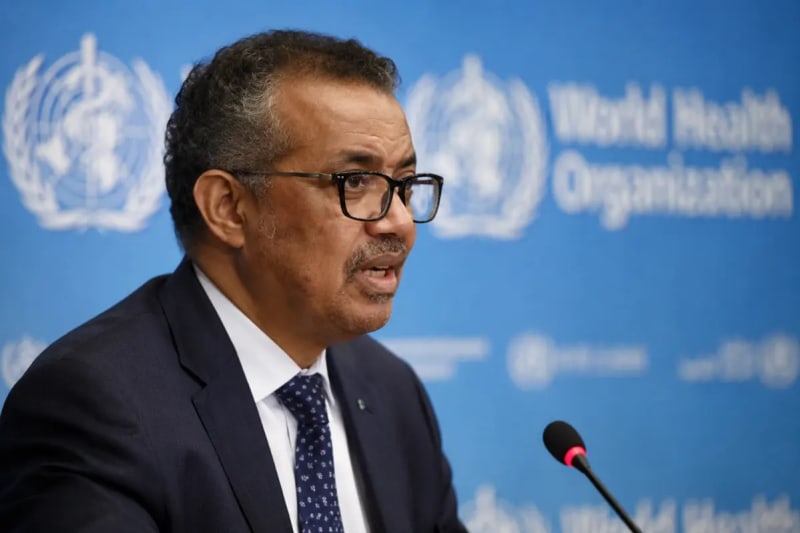
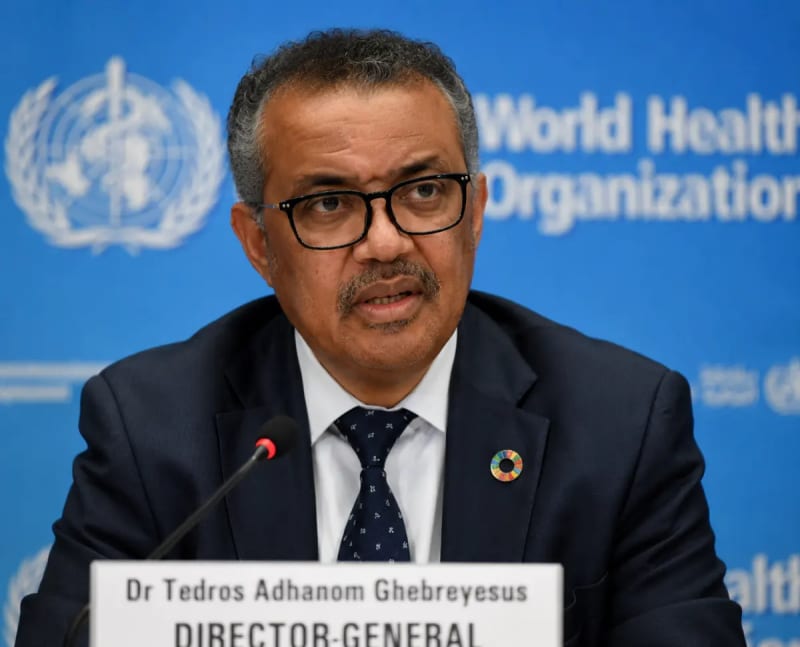
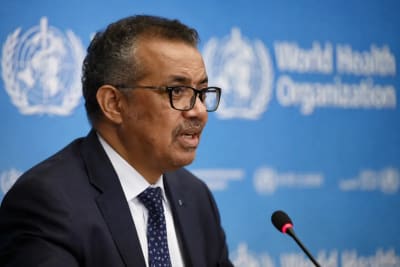
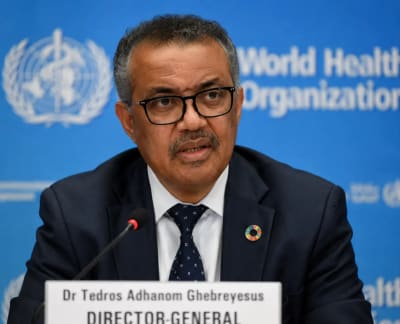
The World Health Organization has also weighed in, with Director General Dr. Tedros Adhanom Ghebreyesus emphasizing the need for a Bundibugyo specific vaccine to control the current epidemic and prepare for future outbreaks. "Every day counts," added Dr. Richard Hatchett, CEO of the Coalition for Epidemic Preparedness Innovations, underscoring the urgency of the vaccine development efforts.
Who May Be Affected
The outbreak is concentrated in the eastern regions of the Democratic Republic of Congo, where ongoing conflict has disrupted healthcare services and displaced communities. The virus has already crossed into Uganda, raising fears of further regional spread. Populations in conflict zones are particularly vulnerable due to limited access to medical care, poor sanitation, and high population density, all of which facilitate transmission.
Healthcare workers on the front lines are also at heightened risk. During the 2014 2016 epidemic, healthcare associated infections were a significant driver of the outbreak, highlighting the need for robust protective measures and rapid vaccine deployment.
Government and WHO Response
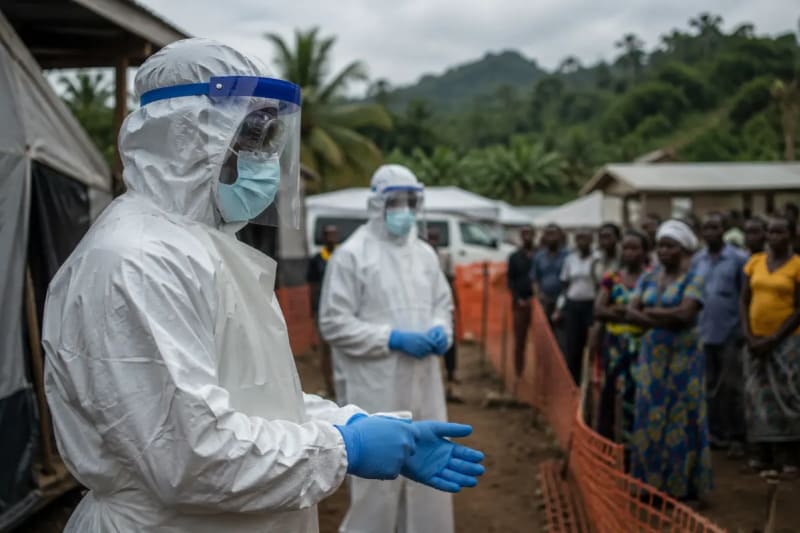
The World Health Organization has activated its emergency response protocols, working alongside local health authorities to trace contacts, isolate cases, and provide supportive care. However, the challenging security situation in the affected regions has hampered these efforts, limiting access to some of the hardest hit communities.
In response to the vaccine gap, the Coalition for Epidemic Preparedness Innovations is funding three parallel efforts to develop a Bundibugyo specific vaccine. Each team is leveraging different technological approaches, with the goal of accelerating the timeline for clinical trials and eventual deployment.
Prevention and Safety Guidance
Until a vaccine becomes available, public health officials are urging communities to adhere to proven infection control measures. These include:
- Avoiding direct contact with bodily fluids of infected individuals or those who have died from the virus.
- Practicing rigorous hand hygiene, including frequent handwashing with soap and water or the use of alcohol based hand sanitizers.
- Using personal protective equipment, such as gloves and masks, when caring for sick individuals or handling the bodies of those who have died from Ebola.
- Isolating suspected cases immediately and reporting them to health authorities to prevent further transmission.
- Avoiding the consumption of bushmeat, which can carry the virus, and ensuring all meat is thoroughly cooked before consumption.
Healthcare workers are advised to follow strict infection prevention and control protocols, including the use of full personal protective equipment when treating suspected or confirmed cases.
What Readers Should Know
The development of a Bundibugyo specific vaccine is a critical step in controlling the current outbreak and preventing future crises. While the three research teams are working at unprecedented speed, the process of testing and approving a new vaccine typically takes months to years. In the meantime, public health measures remain the best defense against further spread.
For those living in or traveling to affected regions, staying informed about the outbreak’s progression and adhering to local health advisories is essential. The situation is evolving rapidly, and updates from trusted sources, such as the World Health Organization and local health authorities, should be monitored closely.
Global solidarity and funding are also vital. The 2014 2016 epidemic demonstrated the devastating consequences of delayed action, and the current outbreak underscores the need for sustained investment in epidemic preparedness and response.
Key Takeaways
- The current Ebola outbreak in DR Congo and Uganda is caused by the rare Bundibugyo strain, for which no licensed vaccine exists.
- Three research teams are racing to develop Bundibugyo specific vaccines using different technological approaches, with clinical trials expected within months.
- Public health officials warn the outbreak could escalate into a regional crisis without rapid intervention, given the challenging security and healthcare conditions in affected areas.
- Prevention measures, such as avoiding contact with bodily fluids and practicing rigorous hand hygiene, remain critical until a vaccine is available.
- The situation highlights the urgent need for global investment in epidemic preparedness to prevent future outbreaks from spiraling out of control.
Frequently Asked Questions
What is the Bundibugyo strain of Ebola?
The Bundibugyo strain is one of six known species of the Ebola virus. It is rare and has only been identified in two previous outbreaks. Unlike the more common Zaire strain, there is no approved vaccine for Bundibugyo, making the current outbreak particularly concerning.
Why is this outbreak so dangerous?
The outbreak is occurring in a conflict zone with limited healthcare infrastructure, which has delayed detection and response efforts. Additionally, the Bundibugyo strain is less understood than other Ebola species, and the lack of a licensed vaccine increases the risk of rapid transmission and high mortality rates.
How do the new vaccines work?
The three vaccine candidates use different technologies to train the immune system to recognize and fight the Bundibugyo strain. IAVI’s vaccine uses a live but harmless virus engineered to display the Ebola glycoprotein, while Moderna and the University of Oxford are using mRNA and viral vector platforms, respectively, to deliver genetic instructions for the body to produce the glycoprotein itself.
When will the vaccines be available?
Clinical trials for the University of Oxford’s vaccine are expected to begin within two to three months, while IAVI’s candidate may take seven to nine months to reach the trial stage. Moderna has not specified a timeline but has committed to moving with urgency. Even if trials are successful, regulatory approval and large scale production will take additional time.
What can individuals do to protect themselves?
Until a vaccine is available, the best protection is adhering to infection control measures: avoid contact with bodily fluids of infected individuals, practice rigorous hand hygiene, use personal protective equipment when caring for the sick, and isolate suspected cases immediately. Avoiding bushmeat and ensuring all meat is thoroughly cooked can also reduce risk.
Is there a risk of the outbreak spreading globally?
While the risk of global spread is currently low, the outbreak’s cross border movement into Uganda highlights the potential for regional escalation. The World Health Organization and local health authorities are monitoring the situation closely, but sustained containment efforts are critical to preventing further spread.
Medical Review: MedSense Editorial Board










DISCUSSION (0)
POST A COMMENT