What Happened
Osun State recently concluded a targeted training program for 45 secondary school teachers, focusing on two urgent public health priorities: the elimination of female genital mutilation and the delivery of comprehensive sexuality education. The initiative, led by Action Health Incorporated in partnership with the state government, was funded through the UNFPA UNICEF joint program, which has been working across Nigeria to accelerate progress on gender equality and adolescent health.
The three day workshop provided teachers with practical tools, updated curricula, and communication strategies to address sensitive topics in classrooms. Participants were drawn from schools across the state, ensuring geographic representation and potential for community level impact. Organizers emphasized that teachers, as trusted figures in local communities, play a pivotal role in challenging harmful practices and fostering informed decision making among young people.
Why Public Health Officials Are Concerned
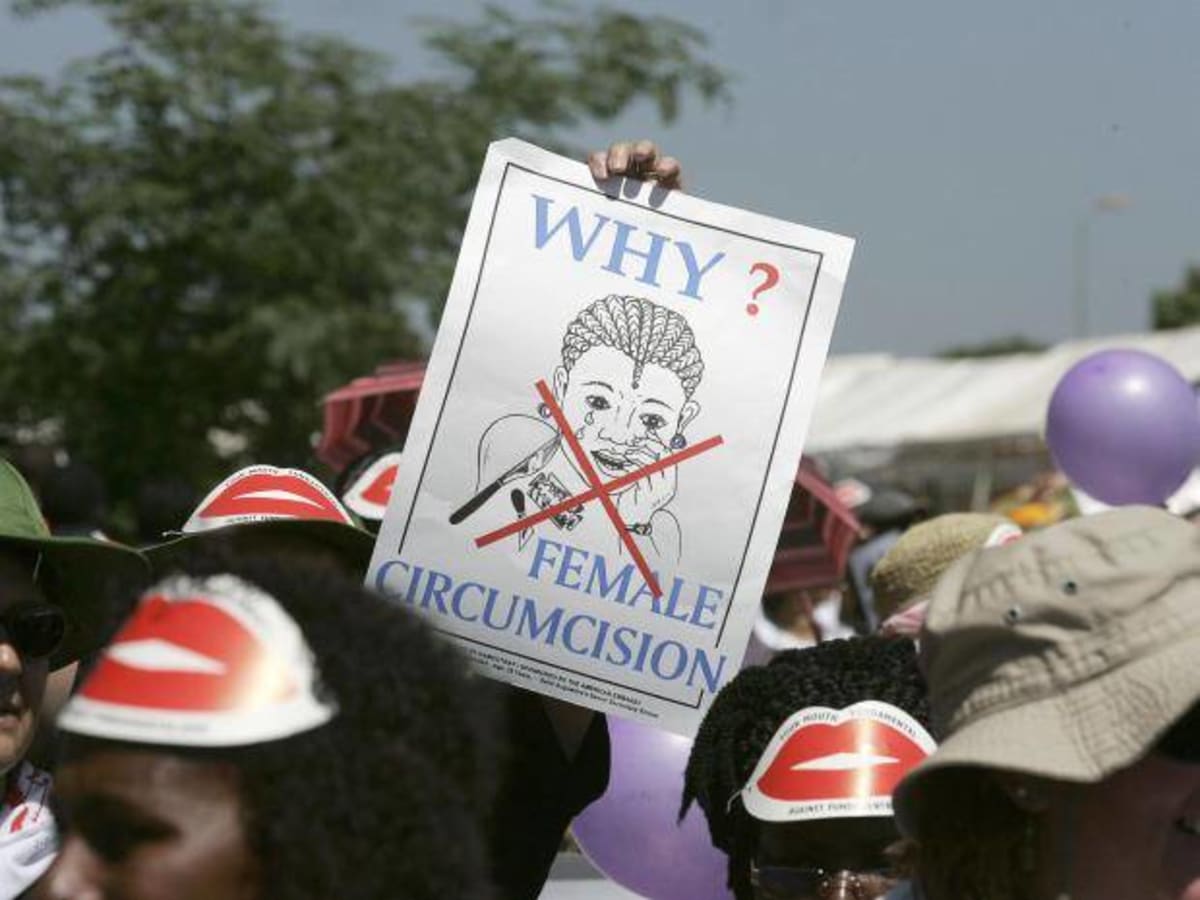
Female genital mutilation remains one of the most persistent violations of human rights in Nigeria, despite being outlawed under the Violence Against Persons Prohibition Act of 2015. According to UNICEF, approximately 20 million women and girls in Nigeria have undergone the procedure, with prevalence rates varying significantly by region and ethnic group. Osun State, while not the highest burden area, still faces cultural and social pressures that sustain the practice.
The consequences of FGM extend far beyond immediate physical harm. Survivors often experience long term complications including chronic pain, infections, complications during childbirth, and psychological trauma. Public health experts warn that without sustained community engagement and education, the practice will continue to be passed down through generations, undermining efforts to improve maternal and child health outcomes.
Who May Be Affected
The primary beneficiaries of this initiative are adolescent girls in Osun State, particularly those in secondary schools where teachers have received training. However, the ripple effects extend to entire communities. Boys, parents, and local leaders are also critical stakeholders, as shifting cultural attitudes requires broad based participation.
Teachers trained through the program are expected to reach thousands of students over time, creating a multiplier effect. The initiative also targets vulnerable groups, including girls in rural areas and those at risk of early marriage, who are disproportionately affected by both FGM and limited access to sexual health education.
Government and UN Response
The training aligns with Nigeria’s national commitments under the Sustainable Development Goals, particularly Goal 5 on gender equality and Goal 3 on health and well being. The UNFPA UNICEF joint program has been instrumental in supporting state level interventions, providing technical expertise, funding, and monitoring frameworks to ensure accountability.
Osun State’s Ministry of Education and Ministry of Health have both endorsed the initiative, signaling a coordinated approach to adolescent health. Officials have indicated plans to scale the program, with potential expansion to primary schools and community health centers. The state government has also committed to integrating sexuality education into the broader school curriculum, though challenges remain in ensuring consistent implementation across all districts.
Prevention and Safety Guidance
For parents, educators, and community leaders, the following steps can help prevent FGM and promote healthy sexuality education:
- Engage in open dialogue: Discuss the physical and emotional risks of FGM with family members, neighbors, and community groups. Use respectful, culturally sensitive language to challenge misconceptions.
- Support trained educators: Encourage schools to participate in similar training programs and advocate for the inclusion of comprehensive sexuality education in curricula.
- Report suspected cases: Nigeria’s Child Rights Act and Violence Against Persons Prohibition Act provide legal protections. Suspected cases of FGM can be reported to local authorities, child protection agencies, or helplines such as the National Human Rights Commission.
- Promote alternative rites of passage: Work with community leaders to develop non harmful cultural ceremonies that celebrate a girl’s transition to womanhood without involving FGM.
- Access reliable resources: Organizations like UNFPA, UNICEF, and Action Health Incorporated offer evidence based materials on sexuality education and FGM prevention. These can be used to educate young people and adults alike.
What Readers Should Know
This initiative in Osun State reflects a growing recognition that ending FGM and improving adolescent health requires more than legal bans. It demands sustained investment in education, community engagement, and the empowerment of local leaders. While progress has been made, public health advocates stress that long term success depends on continued funding, political will, and the active participation of families and communities.
For parents and caregivers, the message is clear: comprehensive sexuality education is not about encouraging early sexual activity but about equipping young people with the knowledge to make safe, informed choices. When delivered by trained professionals, it can reduce rates of unintended pregnancies, sexually transmitted infections, and harmful practices like FGM.
As this program expands, its impact will be closely watched by public health officials across Nigeria and beyond. If successful, it could serve as a model for other states seeking to address deeply entrenched cultural practices while advancing the rights and health of young people.
Key Takeaways
- Osun State trained 45 secondary school teachers to combat female genital mutilation and deliver comprehensive sexuality education, with support from UNFPA UNICEF.
- Female genital mutilation remains a significant public health concern in Nigeria, with long term physical and psychological consequences for survivors.
- Empowering educators is a key strategy to shift cultural norms, as teachers can reach thousands of students and influence community attitudes.
- Prevention efforts require open dialogue, legal reporting mechanisms, and the promotion of alternative cultural practices that do not harm girls.
- Comprehensive sexuality education helps adolescents make informed decisions, reducing risks of unintended pregnancies, infections, and harmful practices.
Frequently Asked Questions
What is female genital mutilation (FGM)?
Female genital mutilation refers to all procedures involving the partial or total removal of the external female genitalia, or other injury to the female genital organs for non medical reasons. It is recognized internationally as a violation of human rights and a form of gender based violence.
Why is comprehensive sexuality education important for adolescents?
Comprehensive sexuality education provides young people with accurate, age appropriate information about their bodies, relationships, and health. It helps them develop critical thinking skills, understand their rights, and make informed decisions, reducing risks of unintended pregnancies, sexually transmitted infections, and harmful practices like FGM.
How can communities help prevent FGM?
Communities can prevent FGM by engaging in open conversations about its risks, supporting trained educators, reporting suspected cases to authorities, and promoting alternative cultural practices that celebrate girls without causing harm. Community leaders, parents, and young people all play a role in shifting attitudes.
Is FGM illegal in Nigeria?
Yes, FGM is illegal in Nigeria under the Violence Against Persons Prohibition Act of 2015 and the Child Rights Act. These laws provide legal protections for girls and women, and suspected cases can be reported to authorities for investigation.
What role do teachers play in ending FGM?
Teachers are trusted figures in their communities and have direct access to young people. By receiving specialized training, they can deliver accurate information about FGM and sexuality education, challenge harmful myths, and influence both students and parents to reject the practice.
Medical Review: MedSense Editorial Board








DISCUSSION (0)
POST A COMMENT