What Happened
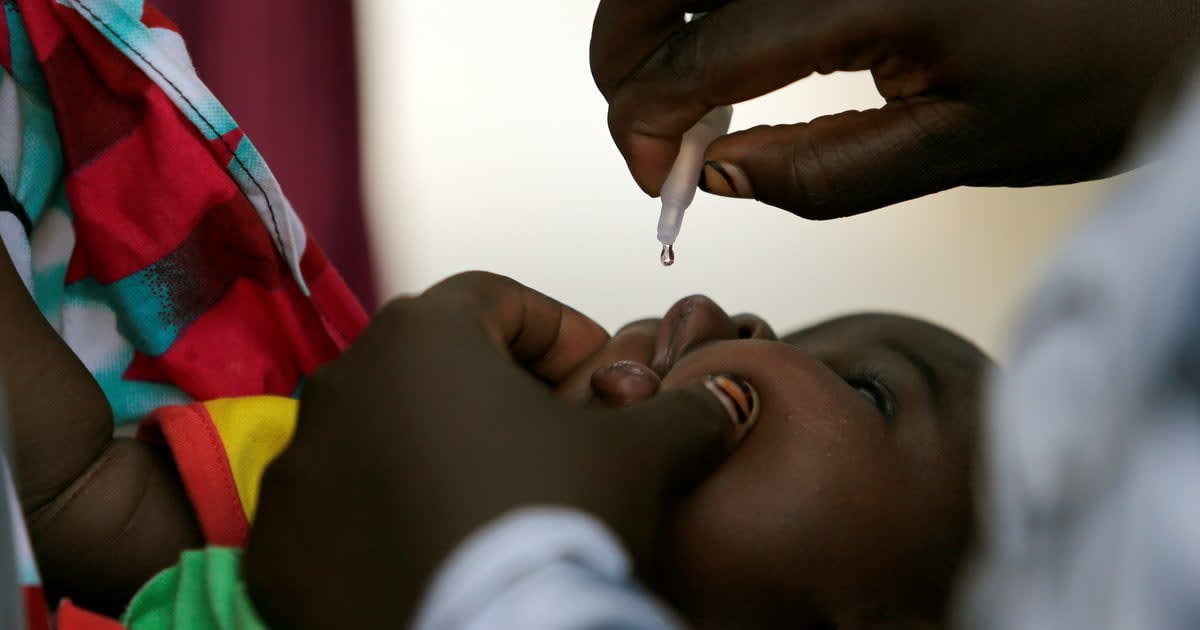
Ogun State has finalized plans to roll out a zero dose vaccination campaign, focusing on children who have missed essential vaccines or received incomplete immunization. The campaign, supported by the Republic of Korea UNICEF immunization strengthening program, will run through December and prioritize hard to reach communities where healthcare access remains limited. State health officials confirmed that mobile teams, community health workers, and local leaders will play key roles in identifying and vaccinating eligible children.
Why Public Health Officials Are Concerned
Nigeria accounts for a significant portion of the world’s zero dose children, with an estimated 2.3 million infants missing out on basic vaccines annually. Diseases like measles, polio, and diphtheria continue to resurface in pockets of the country, often linked to low immunization coverage. Ogun State, while performing better than some northern regions, still faces challenges in maintaining consistent vaccine uptake due to logistical barriers, vaccine hesitancy, and socioeconomic factors. This campaign aims to address those gaps by bringing vaccines directly to communities rather than relying solely on health facility visits.
Who May Be Affected
The campaign targets two key groups: children under five who have never received any vaccines, known as zero dose children, and those who started but did not complete their immunization schedule. Priority will be given to communities in rural and peri urban areas where healthcare infrastructure is weakest. Parents and caregivers in these regions are being urged to present their children for vaccination, regardless of previous immunization status, to ensure full protection against preventable diseases.
Government and UNICEF Response
The Ogun State Ministry of Health, in partnership with UNICEF, has trained over 200 health workers and community volunteers to support the campaign. The Republic of Korea’s funding, channeled through UNICEF, covers vaccine procurement, cold chain logistics, and community mobilization efforts. UNICEF Nigeria’s Chief of Health, Dr. Eduardo Celades, emphasized in a statement that reaching zero dose children is not just about vaccines but about building trust in health systems. "This initiative is a step toward ensuring no child is left behind," he said.
Prevention and Safety Guidance
Vaccines included in the campaign are part of Nigeria’s routine immunization schedule and have been rigorously tested for safety and efficacy. Parents are advised to:
- Bring their child’s immunization card, if available, to track vaccination history.
- Report any mild side effects, such as low grade fever or soreness at the injection site, which typically resolve within a day or two.
- Avoid delaying vaccination due to minor illnesses like colds, as vaccines remain safe and effective.
- Engage with community health workers to clarify any concerns about vaccine safety or schedules.
What Readers Should Know
This campaign is not a one off effort but part of a broader strategy to strengthen routine immunization in Ogun State. Success will depend on sustained community engagement, adequate funding, and political will. For parents, the message is clear: vaccination is one of the most effective ways to protect children from life threatening diseases. With measles outbreaks reported in neighboring states and polio still a lingering threat, timely immunization could mean the difference between health and preventable tragedy.
Key Takeaways
- Ogun State’s zero dose vaccination campaign targets children who have never been vaccinated or received incomplete immunization, running through December 2024.
- The initiative is supported by UNICEF and the Republic of Korea, focusing on hard to reach communities with mobile teams and community health workers.
- Nigeria remains a high burden country for vaccine preventable diseases, with over 2 million zero dose children annually.
- Parents are encouraged to present their children for vaccination, even if previous doses were missed, to ensure full protection.
Frequently Asked Questions
What is a zero dose child?
A zero dose child is a child who has never received any routine vaccines, leaving them vulnerable to preventable diseases like measles, polio, and diphtheria.
Which vaccines will be offered during the campaign?
The campaign will provide vaccines included in Nigeria’s routine immunization schedule, such as BCG, polio, pentavalent, and measles vaccines.
Is it safe to vaccinate a child who is slightly ill?
Yes, children with minor illnesses like colds can still receive vaccines safely. However, those with severe illnesses may need to wait until they recover.
How can parents verify if their child is fully immunized?
Parents should check their child’s immunization card or consult a healthcare worker to confirm which vaccines have been received and which are still needed.
What should parents do if they miss a vaccination session?
Parents should visit the nearest health facility or contact community health workers to reschedule missed doses. There is no need to restart the vaccination schedule.
Medical Review: MedSense Editorial Board








DISCUSSION (0)
POST A COMMENT