
What Happened
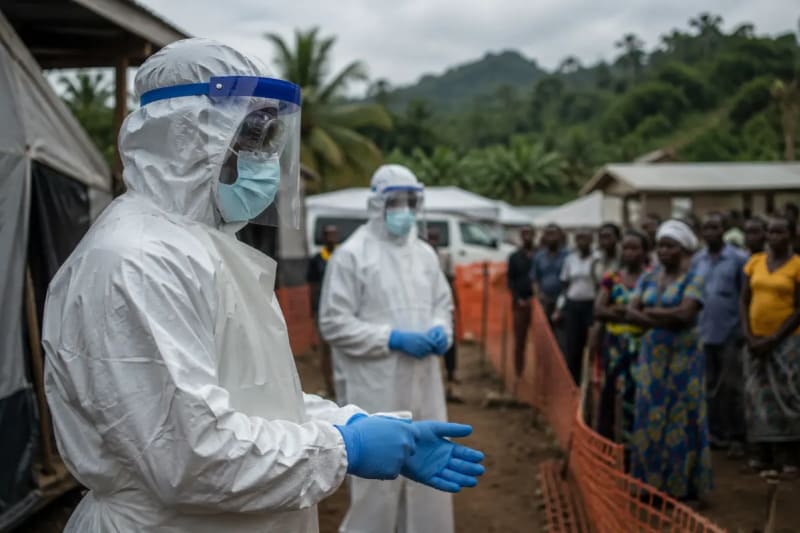
The National Institutes of Health has significantly reduced funding for a network of research centers that played a key role in supporting outbreak response efforts. These centers, often based at universities and medical institutions, served as hubs for scientific collaboration, data sharing, and rapid research mobilization during past epidemics. While not directly responsible for deploying field teams or distributing medical supplies, they provided essential expertise in pathogen detection, genomic surveillance, and clinical trial coordination. The funding cuts have led to staff reductions, delayed projects, and weakened partnerships with international health organizations.
Why Public Health Officials Are Concerned
The timing of these reductions could not be worse. The world is experiencing an unprecedented surge in zoonotic disease spillover events, with climate change, deforestation, and urbanization increasing human animal contact. The COVID 19 pandemic demonstrated how quickly a novel pathogen can spread globally, yet the infrastructure needed to detect and respond to such threats is now being scaled back. Public health experts emphasize that outbreak preparedness requires sustained investment, not just emergency funding during crises. The current cuts risk creating knowledge gaps at precisely the moment when scientific collaboration is most needed.
Who May Be Affected
The impact extends far beyond academic researchers. Frontline healthcare workers, public health agencies, and ultimately the general public rely on this network for timely information and evidence based guidance during outbreaks. The cuts have particularly affected:
- State and local health departments that depend on these centers for training and technical support
- Hospitals and clinics that need rapid diagnostic tools and treatment protocols
- Global health organizations that collaborate with U.S. researchers on pathogen surveillance
- Vulnerable communities that face disproportionate risks during infectious disease outbreaks
Government Response
While the NIH has not publicly detailed the specific programs affected, agency officials have acknowledged budget constraints in recent congressional hearings. Some lawmakers have expressed concern about the long term consequences of reducing support for infectious disease research, particularly in light of ongoing threats like H5N1 avian influenza and antimicrobial resistant pathogens. However, no immediate plans to restore funding have been announced. The CDC and other agencies continue to emphasize the importance of public private partnerships in maintaining outbreak response capabilities.
Prevention and Safety Guidance
While the public cannot directly address funding cuts, individuals can take steps to stay informed and prepared:
- Follow updates from trusted sources like the CDC and WHO regarding emerging health threats
- Ensure vaccinations are up to date, including annual influenza shots and other recommended immunizations
- Practice good hygiene habits, such as regular handwashing and proper food safety measures
- Stay informed about local public health recommendations during outbreaks
- Support community health initiatives that promote disease prevention and preparedness
What Readers Should Know
The funding reductions reflect broader challenges in maintaining long term public health infrastructure. Unlike emergency response funding that flows during active crises, the network of research centers requires consistent support to maintain expertise, relationships, and operational readiness. The current situation underscores the need for sustained investment in scientific capacity, not just reactive measures when outbreaks occur. As one researcher involved in the network noted, "You can't turn science on and off like a faucet. The relationships and expertise we build during quiet periods are what allow us to respond effectively when the next crisis hits."
Key Takeaways
- NIH funding cuts have weakened a critical network of research centers that support outbreak response efforts
- These centers provide essential expertise in pathogen detection, genomic surveillance, and clinical trial coordination
- The reductions come at a time of increasing zoonotic disease threats and could leave the U.S. less prepared for future pandemics
- Affected groups include healthcare workers, public health agencies, and vulnerable communities that rely on this network for timely information
- Sustained investment in scientific capacity is crucial for maintaining outbreak preparedness, not just emergency funding during crises
Frequently Asked Questions
What specific programs were affected by the NIH funding cuts?
While the NIH has not released a comprehensive list of affected programs, reports indicate reductions in funding for university based research centers that specialize in emerging infectious diseases, pathogen surveillance, and outbreak response support. These centers typically focus on areas like genomic sequencing, clinical trial readiness, and global health collaboration.
How do these cuts differ from previous funding fluctuations?
Unlike temporary budget adjustments, these cuts appear to reflect a more permanent reduction in baseline funding for outbreak preparedness infrastructure. Previous fluctuations often occurred during budget cycles but were typically restored. The current reductions come at a time when the need for such infrastructure has been clearly demonstrated by recent pandemics.
What can healthcare professionals do to mitigate the impact?
Healthcare professionals can maintain awareness of available resources through professional organizations, participate in continuing education on emerging infectious diseases, and advocate for sustained public health funding. Many medical societies offer training programs and toolkits for outbreak response that can help fill some knowledge gaps created by the funding reductions.
Are other countries facing similar funding challenges?
Public health funding remains a global challenge, with many countries struggling to maintain consistent investment in outbreak preparedness. However, the U.S. has historically played a leading role in global health security, and reductions in American capacity could have international ripple effects. Some countries, particularly in Europe, have increased their investment in pandemic preparedness following COVID 19.
Medical Review: MedSense Editorial Board











DISCUSSION (0)
POST A COMMENT