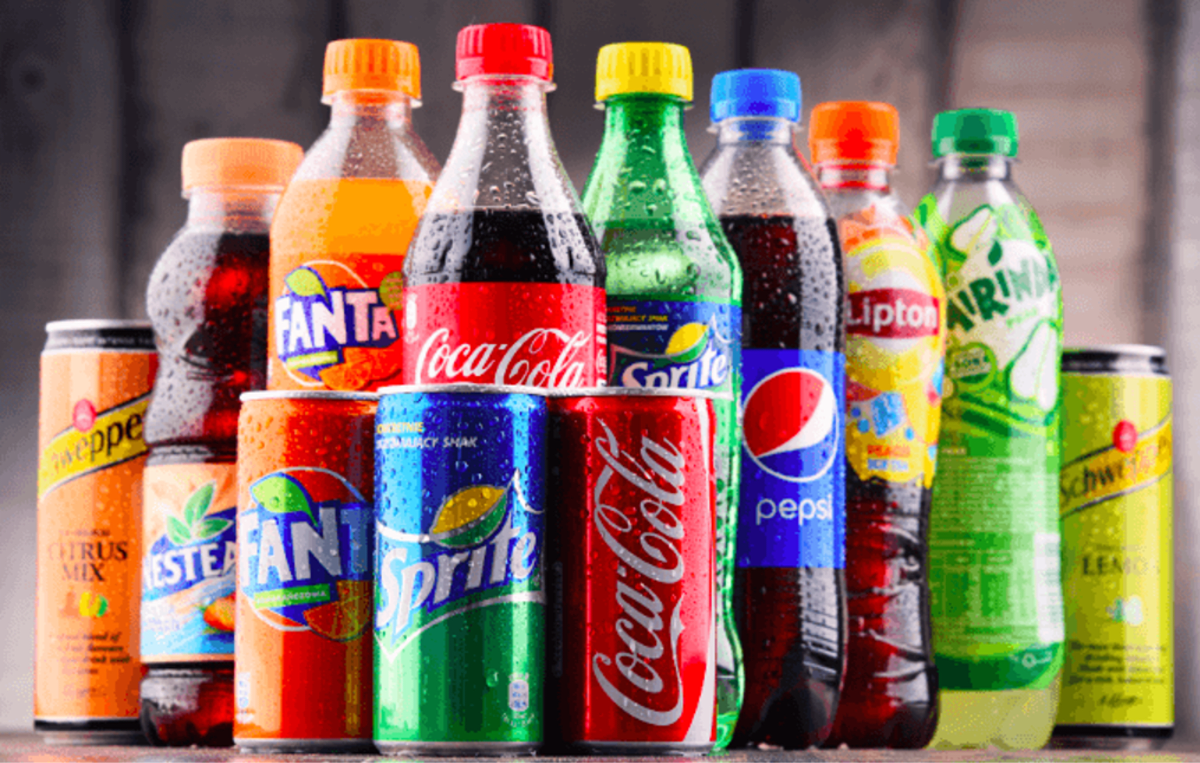
Nigeria has taken a decisive step toward curbing its escalating non communicable disease crisis after the Senate passed a bill to reform taxes on sugar sweetened beverages. The move, praised by public health advocates, targets the country’s growing consumption of high sugar drinks linked to diabetes, obesity, and cardiovascular diseases. With non communicable diseases now accounting for a significant share of Nigeria’s disease burden, the legislation could reshape national health policy if the House of Representatives follows suit. Corporate Accountability and Public Participation Africa, a leading health advocacy group, hailed the Senate’s decision as a critical milestone. The organization urged the lower chamber to expedite its review, emphasizing that delays could undermine efforts to reduce preventable illnesses. The proposed tax reform aligns with global strategies to use fiscal policies to promote healthier diets and reduce healthcare costs.
What Happened
The Nigerian Senate has approved a bill to reform the taxation of sugar sweetened beverages, a measure aimed at addressing the country’s rising rates of non communicable diseases. The legislation seeks to update existing tax structures to better reflect the health risks associated with excessive sugar consumption. Public health advocates, including Corporate Accountability and Public Participation Africa, have welcomed the development, calling it a long overdue intervention in Nigeria’s health policy landscape.
Why Public Health Officials Are Concerned
Non communicable diseases, such as type 2 diabetes, obesity, and heart disease, have become a major public health challenge in Nigeria. The World Health Organization estimates that these conditions account for nearly 30% of deaths in the country, with dietary factors playing a key role. Sugar sweetened beverages are a significant contributor, as they provide empty calories without nutritional benefits and are heavily marketed, particularly to younger populations. Without intervention, health experts warn that the economic and social burden of these diseases will continue to grow, straining an already overstretched healthcare system.
Who May Be Affected
The proposed tax reform could have wide reaching implications. Consumers, particularly low income households, may face higher prices for sugary drinks, potentially reducing consumption. The beverage industry, including manufacturers and retailers, could see shifts in market dynamics, while the government stands to generate additional revenue that could be reinvested in public health initiatives. Most critically, the policy targets vulnerable populations, including children and adolescents, who are at higher risk of developing diet related diseases due to high sugar intake.
Government and Advocacy Response
The Senate’s approval of the bill reflects growing recognition of the need for policy driven solutions to public health challenges. Corporate Accountability and Public Participation Africa has urged the House of Representatives to prioritize the legislation, stressing that swift action is essential to prevent further health deterioration. Similar tax measures in countries like Mexico and South Africa have demonstrated success in reducing sugar consumption, offering a model for Nigeria to follow. If enacted, the reform could position Nigeria as a leader in regional efforts to combat diet related diseases through fiscal policy.
Prevention and Safety Guidance
While the tax reform is a critical step, public health experts emphasize that broader strategies are needed to address Nigeria’s non communicable disease crisis. These include:
- Public awareness campaigns to educate consumers about the health risks of excessive sugar consumption.
- Regulation of marketing practices targeting children and adolescents.
- Expansion of access to affordable, nutritious food options in underserved communities.
- Integration of nutrition education into school curricula to foster long term healthy habits.
What Readers Should Know
The Senate’s approval of the sugar sweetened beverage tax bill marks a pivotal moment in Nigeria’s public health policy. If the House of Representatives passes the legislation, it could lead to significant reductions in sugar related diseases and healthcare costs. However, the success of the policy will depend on effective implementation, public support, and complementary measures to promote healthier lifestyles. Consumers, healthcare providers, and policymakers alike should stay informed about developments and advocate for evidence based solutions to Nigeria’s growing health challenges.
Key Takeaways
- Nigeria’s Senate has passed a bill to reform taxes on sugar sweetened beverages to combat non communicable diseases like diabetes and obesity.
- Public health advocates urge the House of Representatives to expedite approval, citing the urgency of addressing Nigeria’s rising diet related health crisis.
- Similar tax policies in other countries have successfully reduced sugar consumption, offering a potential model for Nigeria.
- The reform could generate revenue for public health initiatives while encouraging healthier dietary choices among consumers.
Frequently Asked Questions
What are sugar sweetened beverages?
Sugar sweetened beverages are drinks that contain added sugars, such as sodas, energy drinks, sweetened teas, and fruit flavored drinks. These beverages contribute to excessive sugar intake, which is linked to obesity, diabetes, and heart disease.
How do taxes on sugary drinks improve public health?
Taxes on sugary drinks increase their price, which can reduce consumption. Lower consumption of these beverages is associated with decreased risks of obesity, diabetes, and other non communicable diseases. Revenue from such taxes can also fund public health programs.
What is the next step for Nigeria’s sugar sweetened beverage tax bill?
The bill must now be reviewed and approved by the House of Representatives. If passed, it will move to the president for assent before becoming law. Public health advocates are calling for swift action to ensure the legislation is enacted without delay.
Are there other countries with similar tax policies?
Yes, several countries, including Mexico, South Africa, and the United Kingdom, have implemented taxes on sugar sweetened beverages. Studies have shown that these policies have led to reductions in sugar consumption and improvements in public health outcomes.
Medical Review: MedSense Editorial Board


















DISCUSSION (0)
POST A COMMENT