What Happened
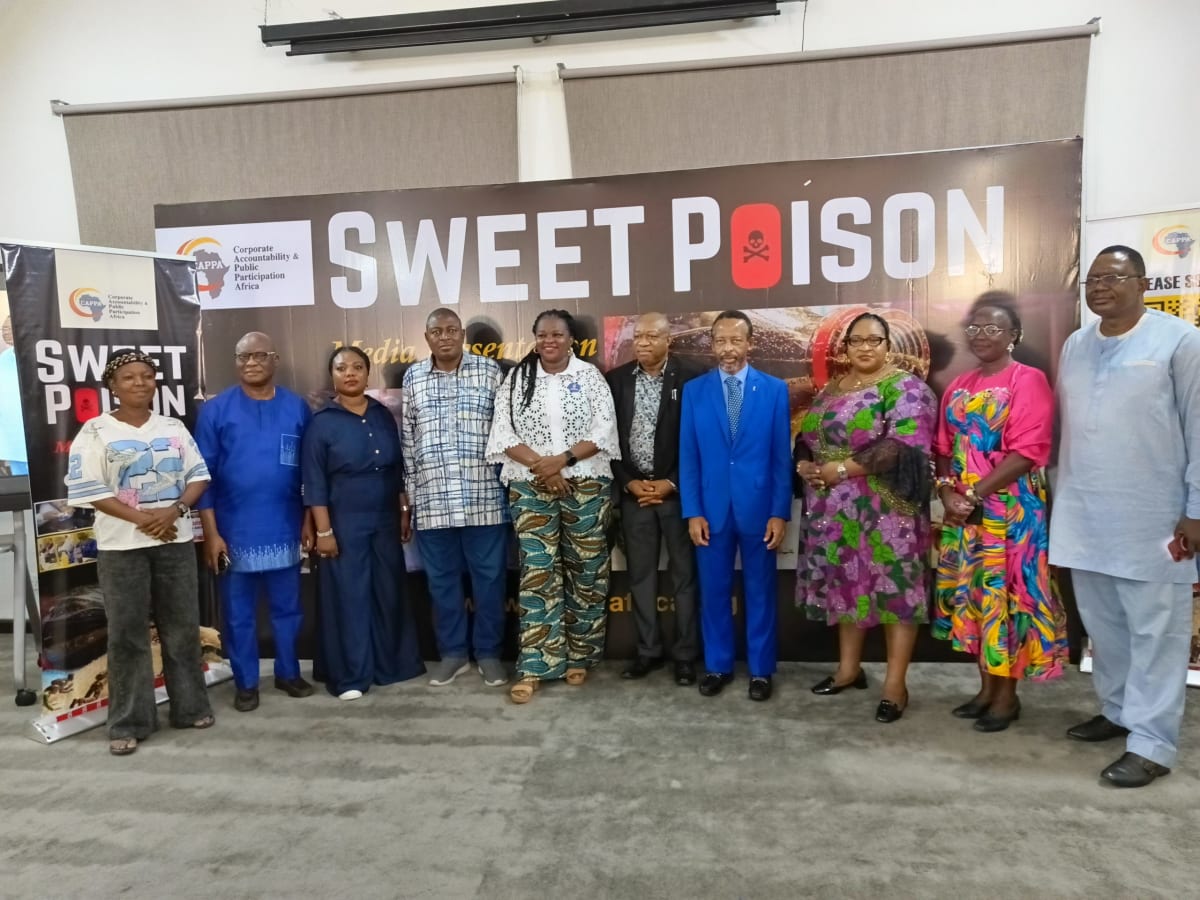
On Tuesday, CAPPA launched a public campaign to raise awareness about the health risks associated with sugar sweetened beverages. The centerpiece of the initiative is a documentary titled *Sweet Poison*, which highlights how excessive consumption of these drinks contributes to Nigeria’s rising rates of diabetes, obesity, and other NCDs. The organization used the platform to demand that the federal government implement higher taxes on sugary drinks, a move they argue will discourage consumption and generate revenue for public health programs.
Why Public Health Officials Are Concerned
Nigeria’s NCD burden has reached critical levels, with diabetes and obesity now among the leading causes of morbidity and mortality. The World Health Organization (WHO) estimates that NCDs account for nearly 30% of all deaths in the country, a figure that continues to rise as dietary habits shift toward processed and sugar laden foods. Sugary drinks, often marketed as affordable and accessible, are a major contributor to this trend. A single 500ml bottle of soda can contain up to 10 teaspoons of sugar, far exceeding the WHO’s recommended daily limit of 6 teaspoons for adults.
Public health experts warn that without intervention, the economic and social costs of NCDs will overwhelm Nigeria’s already strained healthcare system. The long term consequences include increased hospitalizations, reduced workforce productivity, and higher out of pocket expenses for families. CAPPA’s campaign emphasizes that taxation is one of the most effective tools to reduce consumption, citing evidence from countries like Mexico and South Africa, where similar policies have led to measurable declines in sugary drink sales.
Who May Be Affected
The impact of sugary drinks is not evenly distributed. Low income communities, where these beverages are often more accessible than clean drinking water, bear the brunt of the health consequences. Children and adolescents are particularly vulnerable, as early exposure to high sugar diets increases the risk of obesity and diabetes later in life. Additionally, rural populations, who may have limited access to healthcare, face greater challenges in managing NCDs once they develop.
Healthcare providers are also sounding the alarm. Dr. Chukwuma Anyaike, a public health physician and former director at the Federal Ministry of Health, noted that the rise in NCDs is stretching hospital resources. "We are seeing more patients with preventable conditions like type 2 diabetes and hypertension, many of whom are young adults," he said. "These are diseases that could be mitigated with better dietary policies."
Government Response and Policy Context
Nigeria introduced a tax on sugar sweetened beverages in 2021 as part of its Finance Act, but health advocates argue the current rate is too low to have a meaningful impact. The tax, set at 10 naira per liter, is significantly lower than the WHO’s recommended threshold of at least 20% of the retail price. CAPPA is pushing for an increase to 50 naira per liter, a move they say would align with global best practices and generate much needed revenue for health initiatives.
The federal government has yet to respond to CAPPA’s latest call, but the debate over sugary drink taxes is gaining traction. In 2023, the National Assembly held public hearings on the issue, with lawmakers acknowledging the need for stronger regulations. However, industry opposition remains a significant hurdle. Beverage manufacturers argue that higher taxes could lead to job losses and economic strain, a claim that health advocates counter by pointing to the long term savings from reduced healthcare costs.
Prevention and Safety Guidance
While policy changes are critical, individuals can take steps to reduce their risk of NCDs. Public health experts recommend the following measures:
- Limit sugary drink consumption: Replace soda, energy drinks, and sweetened juices with water, herbal teas, or unsweetened beverages.
- Read nutrition labels: Be aware of hidden sugars in processed foods and drinks, which can contribute to daily intake without obvious signs.
- Promote healthy alternatives: Schools, workplaces, and communities can encourage access to affordable, nutritious options like fresh fruit and clean water.
- Advocate for policy change: Support campaigns and organizations pushing for stronger regulations on sugary drinks and better public health funding.
What Readers Should Know
The link between sugary drinks and NCDs is well established, but awareness remains low in many parts of Nigeria. CAPPA’s documentary and advocacy efforts aim to change that by sparking a national conversation about the role of diet in health. For policymakers, the message is clear: stronger taxes on sugary drinks are not just a fiscal tool but a lifesaving intervention. For consumers, the takeaway is equally urgent: small changes in diet today can prevent life altering diseases tomorrow.
As Nigeria grapples with its NCD epidemic, the debate over sugary drink taxes is more than a policy discussion, it’s a question of public health survival. The choices made in the coming months could shape the country’s health landscape for generations.
Key Takeaways
- Nigeria’s rising rates of diabetes and obesity are closely linked to the high consumption of sugar sweetened beverages.
- Health advocates are urging the federal government to increase taxes on sugary drinks to reduce consumption and fund public health programs.
- Current taxes on sugary drinks in Nigeria are too low to be effective, with experts calling for a rate of at least 50 naira per liter.
- Low income communities and children are disproportionately affected by the health consequences of sugary drinks.
- Individuals can reduce their risk by limiting sugary drink intake, reading nutrition labels, and advocating for stronger public health policies.
Frequently Asked Questions
Why are sugary drinks so harmful to health?
Sugary drinks are a major source of added sugars in the diet, which contribute to weight gain, insulin resistance, and an increased risk of type 2 diabetes, heart disease, and tooth decay. Unlike solid foods, liquid sugars are quickly absorbed by the body, leading to rapid spikes in blood sugar and long term metabolic damage.
How effective are taxes on sugary drinks in reducing consumption?
Evidence from countries like Mexico, South Africa, and the United Kingdom shows that higher taxes on sugary drinks lead to reduced consumption, particularly among low income populations. These policies also generate revenue that can be reinvested in public health programs, creating a dual benefit.
What is the current tax rate on sugary drinks in Nigeria?
Nigeria currently imposes a tax of 10 naira per liter on sugar sweetened beverages, a rate that health experts argue is insufficient to curb consumption. Advocates are pushing for an increase to 50 naira per liter to align with global best practices.
What can individuals do to reduce their risk of NCDs linked to sugary drinks?
Individuals can limit their intake of sugary drinks, opt for water or unsweetened beverages, read nutrition labels to identify hidden sugars, and support policies that promote healthier food environments. Small dietary changes can significantly reduce the risk of developing diabetes, obesity, and other NCDs.
Why are children and low income communities more vulnerable to the effects of sugary drinks?
Children are more susceptible to marketing and may develop lifelong habits of consuming sugary drinks, increasing their risk of obesity and diabetes. Low income communities often have limited access to healthy alternatives and may rely on cheap, sugar laden beverages, exacerbating health disparities.
Medical Review: MedSense Editorial Board








DISCUSSION (0)
POST A COMMENT