What Happened
A certified menopause expert has raised concerns about the elevated risk of hypertension and stroke in women approaching or experiencing menopause. Pharm Mosunmola Dosunmu, founder of the Menopause Support Initiative, emphasized that hormonal fluctuations during this period can significantly impact cardiovascular health. While menopause itself is a natural biological process, the associated decline in estrogen levels may contribute to vascular changes that increase susceptibility to high blood pressure and stroke.
Why Public Health Officials Are Concerned
Cardiovascular disease is already a major health threat for women, accounting for nearly one third of female deaths worldwide. The link between menopause and heightened cardiovascular risk adds a critical layer to women’s health discussions, particularly as life expectancy rises and more women spend a significant portion of their lives post menopause. Public health experts warn that without proactive monitoring and lifestyle adjustments, many women may unknowingly face preventable health complications during this transition.
Symptoms or Risk Factors
While menopause is marked by the end of menstrual cycles, its cardiovascular effects are less visible but equally important. Key risk factors include:
- A family history of hypertension or heart disease
- Pre existing conditions such as diabetes or obesity
- Lifestyle factors like smoking, excessive alcohol consumption, or a sedentary routine
- Symptoms of hypertension, which may include headaches, shortness of breath, or dizziness, though many women experience no noticeable signs
Dosunmu noted that the decline in estrogen, a hormone that helps maintain vascular flexibility, may contribute to arterial stiffness and elevated blood pressure. This biological shift underscores the need for regular health screenings during and after menopause.
Who May Be Affected
All women will experience menopause, typically between the ages of 45 and 55, though the timing and symptoms vary widely. Those with a history of cardiovascular issues, metabolic disorders, or unhealthy lifestyle habits may face a higher risk of complications. Additionally, women who enter menopause early, whether naturally or due to medical interventions like hysterectomies, may be particularly vulnerable to long term cardiovascular effects.
Prevention and Safety Guidance
Protecting heart health during menopause requires a combination of medical oversight and lifestyle adjustments. Experts recommend the following steps:
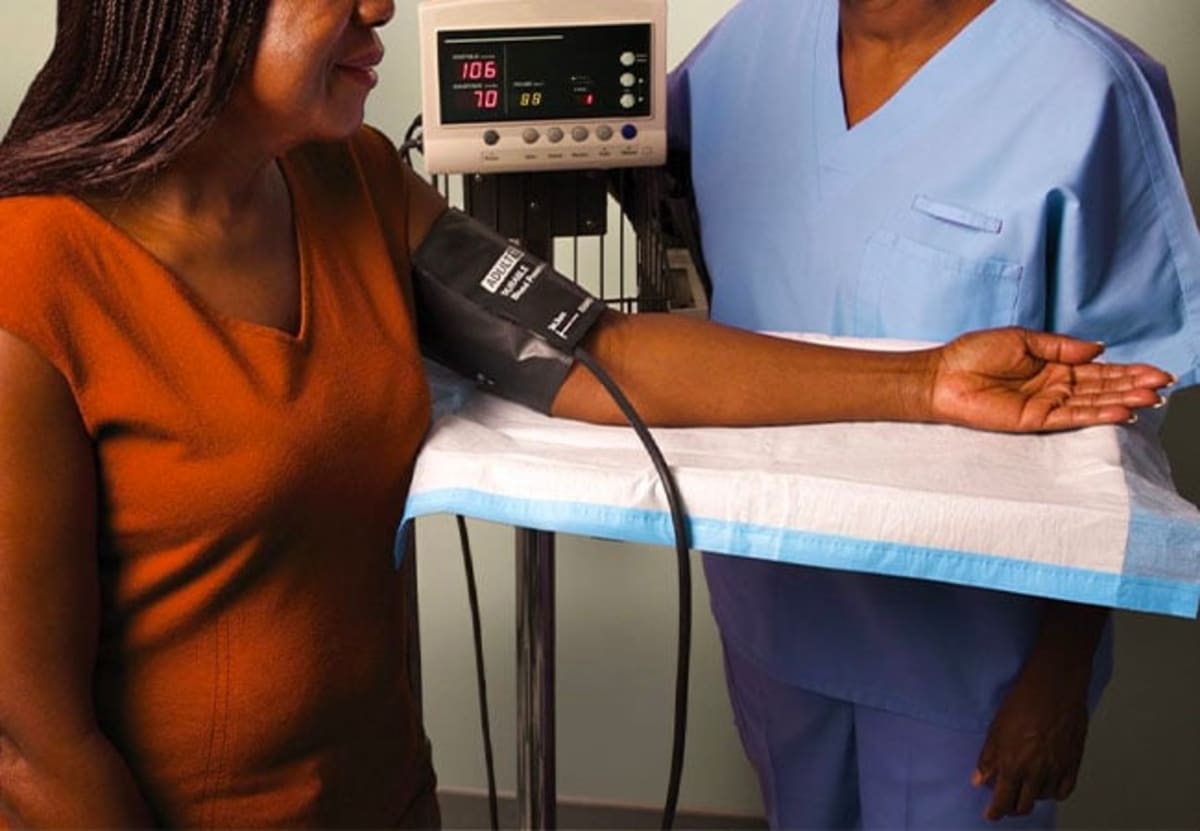
- Regular blood pressure monitoring: Women should check their blood pressure at least annually, or more frequently if advised by a healthcare provider.
- Heart healthy diet: Emphasizing fruits, vegetables, whole grains, and lean proteins while reducing salt, sugar, and saturated fats can support cardiovascular function.
- Physical activity: Aim for at least 150 minutes of moderate exercise per week, such as brisk walking, swimming, or cycling, to maintain vascular health.
- Stress management: Chronic stress can exacerbate hypertension. Practices like mindfulness, yoga, or deep breathing exercises may help mitigate its impact.
- Quit smoking: Smoking significantly increases the risk of heart disease and stroke, particularly in postmenopausal women.
- Consult a healthcare provider: Women experiencing menopause should discuss their cardiovascular risk factors with a doctor, who may recommend hormone therapy or other interventions based on individual health profiles.
What Readers Should Know
Menopause is not just a reproductive transition but a critical window for cardiovascular health. While the hormonal changes are inevitable, the associated risks are not. By prioritizing regular health check ups, adopting heart healthy habits, and staying informed, women can navigate this life stage with greater confidence and reduced risk of long term complications. Awareness and early action remain the most powerful tools in safeguarding well being during and after menopause.
Key Takeaways
- Hormonal changes during menopause may increase the risk of hypertension and stroke due to declining estrogen levels.
- Women should monitor blood pressure regularly and adopt heart healthy lifestyles to mitigate cardiovascular risks.
- Early menopause or pre existing health conditions may heighten susceptibility to heart disease and stroke.
- Proactive health management, including diet, exercise, and medical consultations, can help protect long term well being.
Frequently Asked Questions
Does every woman in menopause develop high blood pressure?
No, not every woman will develop hypertension during menopause. However, the risk increases due to hormonal changes, making regular monitoring and preventive measures important for all women in this stage.
Can hormone replacement therapy reduce the risk of stroke?
Hormone replacement therapy may offer cardiovascular benefits for some women, but it is not suitable for everyone. The decision should be made in consultation with a healthcare provider, considering individual health history and risk factors.
What are the early signs of hypertension in menopausal women?
Hypertension often has no noticeable symptoms, which is why it is called the silent killer. Some women may experience headaches, shortness of breath, or dizziness, but regular blood pressure checks are the most reliable way to detect it early.
How often should women in menopause check their blood pressure?
Women should have their blood pressure checked at least once a year during routine health visits. Those with existing risk factors or a history of hypertension may need more frequent monitoring.
Medical Review: MedSense Editorial Board









DISCUSSION (0)
POST A COMMENT