
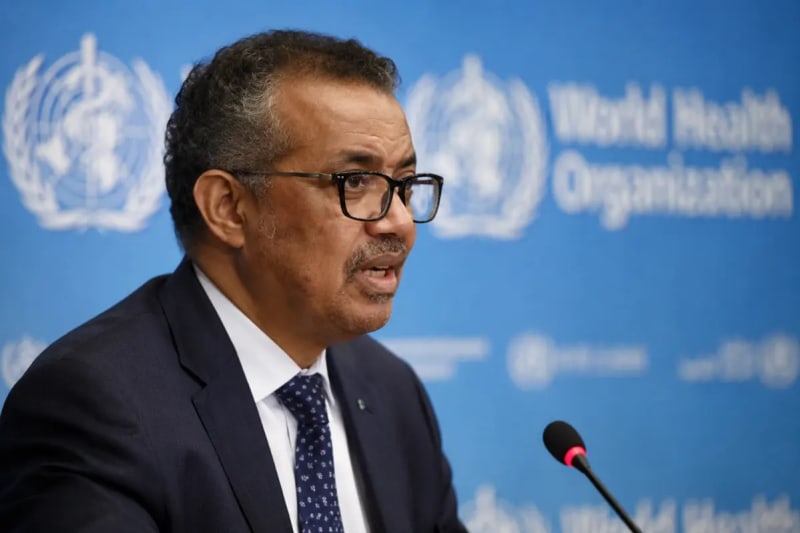
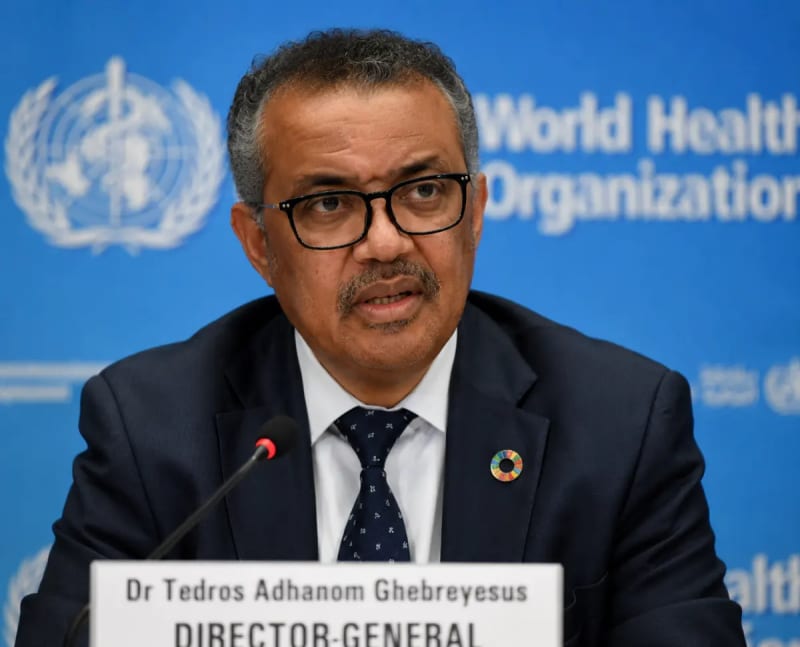
Nigeria remains at low risk for an Ebola outbreak compared to other West African nations, the World Health Organization announced this week, offering cautious reassurance amid ongoing regional concerns. The assessment comes as health authorities across the continent intensify surveillance and containment measures in response to persistent outbreaks in the Democratic Republic of Congo and Uganda. Dr. Chikwe Ihekweazu, Executive Director of the WHO Health Emergencies Programme, emphasized that Nigeria’s proactive public health infrastructure has positioned the country to detect and respond to potential threats more effectively than some of its neighbors. While the risk remains low, officials warn that vigilance cannot wane in a region where cross border movement and healthcare gaps create persistent vulnerabilities.
What Happened
During a briefing on Tuesday, the World Health Organization confirmed that Nigeria currently faces a lower risk of Ebola transmission compared to countries like the Democratic Republic of Congo and Uganda, where outbreaks have been more persistent. The statement reflects an ongoing assessment of regional preparedness rather than an all clear signal. Dr. Ihekweazu highlighted that Nigerian health authorities have strengthened disease surveillance, contact tracing, and laboratory capacity in recent years, particularly following the 2014 West Africa epidemic that claimed over 11,000 lives.
Why Public Health Officials Are Concerned
While Nigeria’s risk is assessed as low, the broader regional context remains fragile. Ebola outbreaks in Central and East Africa have demonstrated the virus’s ability to cross borders through travel, trade, and porous healthcare systems. The Democratic Republic of Congo, for instance, has faced multiple outbreaks since 2018, including a recent resurgence in 2022 that tested international response capabilities. Uganda’s 2022 outbreak, caused by the Sudan ebolavirus strain, further underscored the need for sustained vigilance. Public health experts warn that complacency could reverse progress, particularly in countries with weaker healthcare infrastructure or ongoing conflict, which disrupts disease monitoring and response efforts.
Who May Be Affected
The primary populations at risk include healthcare workers, border communities, and individuals in close contact with infected persons or wildlife. In Nigeria, urban centers with high population density and international travel hubs, such as Lagos and Abuja, are considered higher risk zones due to their connectivity to outbreak regions. Rural areas with limited healthcare access may also face challenges in early detection and containment. While the general public’s risk remains low, the WHO’s assessment serves as a reminder that Ebola’s threat is not confined to outbreak epicenters but extends to any region with gaps in surveillance or response capacity.
Government and WHO Response
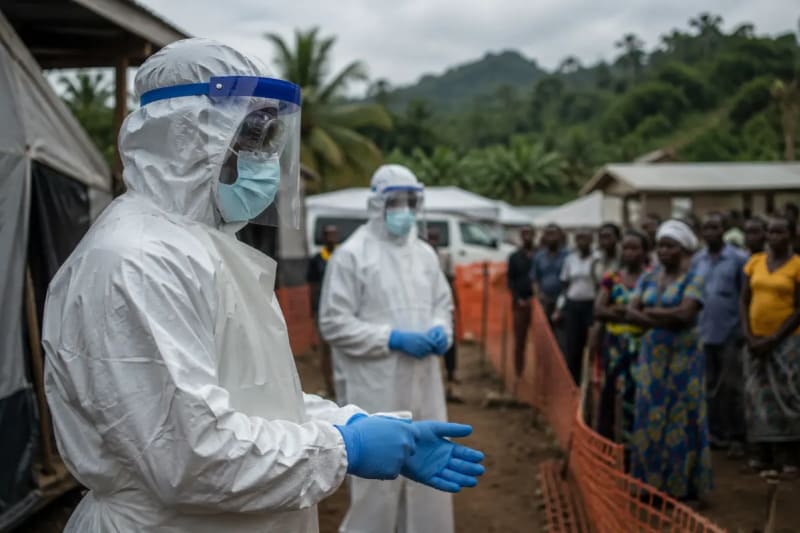
Nigeria’s response has focused on three key pillars: surveillance, laboratory readiness, and community engagement. The Nigeria Centre for Disease Control has reactivated its Emergency Operations Centre, ensuring rapid coordination between federal and state health authorities. Laboratory networks, including the National Reference Laboratory in Abuja, have been equipped to test for Ebola and other viral hemorrhagic fevers within hours of sample collection. The WHO has supported these efforts through technical assistance, training for frontline workers, and the pre positioning of medical supplies, including personal protective equipment and experimental therapeutics.
At the regional level, the WHO has urged countries to strengthen cross border collaboration, particularly in sharing real time data on suspected cases. The Africa Centres for Disease Control and Prevention has also played a coordinating role, facilitating joint training exercises and the deployment of rapid response teams to high risk areas. These measures aim to create a layered defense against potential spread, though funding constraints and logistical challenges remain persistent hurdles.
Prevention and Safety Guidance
For individuals in Nigeria and neighboring countries, the WHO and local health authorities recommend the following precautions:
- Avoid contact with bodily fluids: Ebola spreads through direct contact with blood, vomit, urine, or other bodily fluids of infected individuals. Healthcare workers should use gloves, masks, and gowns when treating patients with unexplained fever or bleeding.
- Practice safe burial practices: Traditional burial rituals that involve washing or touching the deceased can facilitate transmission. Communities are encouraged to follow safe and dignified burial protocols, particularly in areas with active outbreaks.
- Report symptoms immediately: Early symptoms of Ebola, such as fever, fatigue, muscle pain, and headache, can resemble malaria or typhoid. Individuals experiencing these symptoms, especially after travel to outbreak zones, should seek medical attention and inform healthcare providers of their exposure history.
- Limit exposure to wildlife: While rare, Ebola can jump from animals to humans through contact with infected bats, primates, or other wildlife. Avoid handling or consuming bushmeat, particularly in regions with known outbreaks.
- Stay informed through official sources: Misinformation can spread as quickly as the virus itself. Rely on updates from the WHO, Nigeria Centre for Disease Control, and other verified public health agencies for accurate guidance.
What Readers Should Know
The WHO’s assessment of Nigeria’s low Ebola risk is a testament to the country’s investments in public health infrastructure, but it is not a guarantee of safety. Ebola’s unpredictable nature means that preparedness must remain a dynamic, ongoing effort. For Nigerians, the message is one of cautious optimism: while the immediate threat may be low, the tools to prevent, detect, and respond to an outbreak are stronger than ever. For the broader region, the focus must remain on closing gaps in healthcare access, strengthening cross border cooperation, and ensuring that no country is left vulnerable to preventable outbreaks.
As the global health community reflects on the lessons of past epidemics, the current Ebola landscape offers a critical reminder: infectious diseases do not respect borders. The progress made in Nigeria and other prepared nations serves as a model for what is possible, but also as a call to action for those still building their defenses.
Key Takeaways
- Nigeria’s Ebola risk is currently assessed as low by the WHO, thanks to strengthened surveillance and healthcare infrastructure, but regional vigilance remains essential.
- Countries like the Democratic Republic of Congo and Uganda continue to face active outbreaks, highlighting the need for cross border collaboration and sustained funding for public health responses.
- Individuals can reduce their risk by avoiding contact with bodily fluids, practicing safe burial rituals, reporting symptoms early, and staying informed through official health sources.
Frequently Asked Questions
Why is Nigeria considered at low risk for Ebola compared to other countries?
Nigeria’s low risk assessment stems from its robust disease surveillance systems, rapid response capabilities, and lessons learned from the 2014 West Africa Ebola epidemic. The country has invested in laboratory capacity, contact tracing, and healthcare worker training, which have improved its ability to detect and contain potential outbreaks early. However, the WHO emphasizes that risk levels can change rapidly, and preparedness efforts must continue.
What are the early symptoms of Ebola, and how can I distinguish them from other illnesses?
Early symptoms of Ebola include fever, fatigue, muscle pain, headache, and sore throat. These symptoms can resemble common illnesses like malaria or typhoid, making early diagnosis challenging. As the disease progresses, symptoms may include vomiting, diarrhea, rash, and in severe cases, internal and external bleeding. If you or someone you know develops these symptoms, especially after travel to an outbreak zone, seek medical attention immediately and inform healthcare providers of potential exposure.
How does Ebola spread, and what can I do to protect myself?
Ebola spreads through direct contact with the bodily fluids of infected individuals or contaminated surfaces. It can also spread through contact with infected animals, such as bats or primates. To protect yourself, avoid touching bodily fluids, practice good hand hygiene, use personal protective equipment if caring for a sick person, and follow safe burial practices. Avoid handling or consuming bushmeat, particularly in regions with active outbreaks.
What is Nigeria doing to prevent an Ebola outbreak?
Nigeria has reactivated its Emergency Operations Centre, strengthened laboratory networks for rapid testing, and trained healthcare workers in infection prevention and control. The Nigeria Centre for Disease Control is also coordinating with state and local health authorities to monitor potential cases and ensure a swift response. The WHO and Africa CDC are providing technical support and resources to bolster these efforts.
Is there a vaccine for Ebola, and who can receive it?
Yes, there are two licensed Ebola vaccines: Ervebo, which protects against the Zaire ebolavirus strain, and a two dose vaccine regimen for the Sudan ebolavirus strain. These vaccines are primarily used in outbreak settings to protect high risk groups, such as healthcare workers, contacts of confirmed cases, and frontline responders. Vaccination campaigns are typically coordinated by public health authorities in collaboration with the WHO and other partners.
Medical Review: MedSense Editorial Board











DISCUSSION (0)
POST A COMMENT