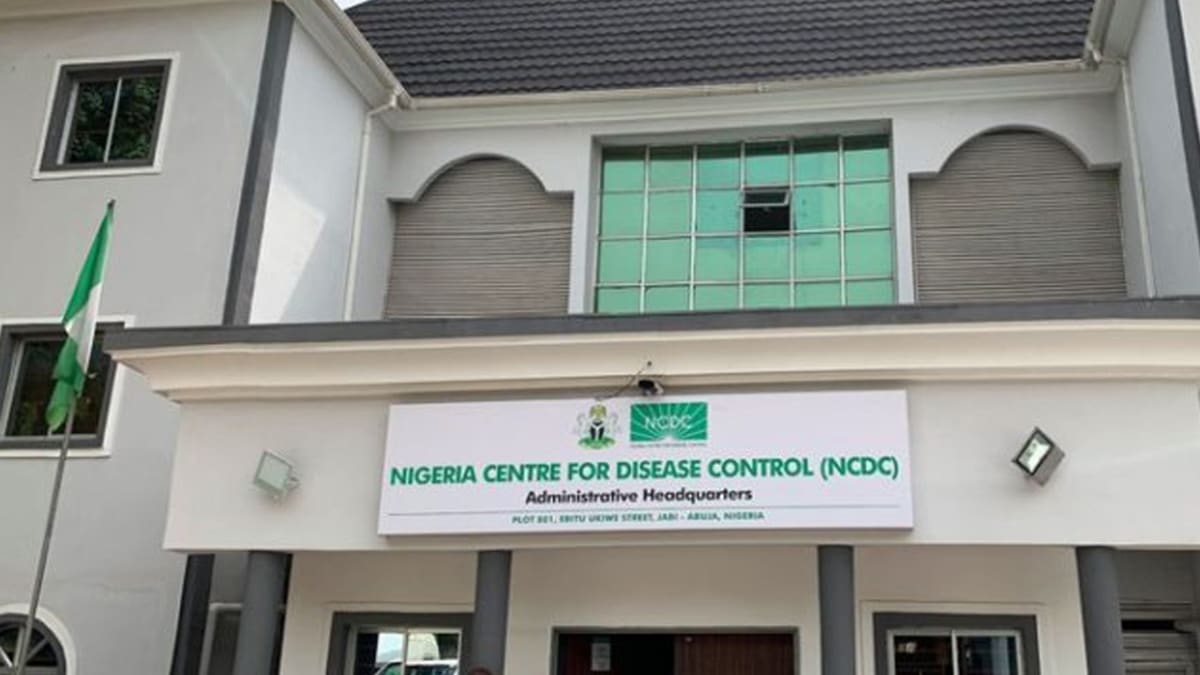
Nigeria’s ability to contain an Ebola outbreak remains dangerously incomplete, with health authorities warning that porous borders and inconsistent preparedness levels could leave the country exposed. In a candid assessment, the Nigeria Centre for Disease Control and Prevention (NCDC) disclosed that the nation’s readiness stands at just 59 percent, far below the ideal threshold for a pathogen as deadly as Ebola. While officials emphasize that no country can ever be fully prepared for such a crisis, the admission underscores the urgent need for strengthened surveillance, cross border coordination, and healthcare infrastructure, especially as regional instability and unchecked migration continue to heighten risks across West Africa.
What Happened
The NCDC recently conducted an internal assessment of Nigeria’s preparedness for an Ebola virus outbreak, revealing that the country has achieved only 59 percent of the necessary benchmarks. The findings, shared by an unnamed NCDC official, highlight significant gaps in border security, healthcare infrastructure, and emergency response protocols. While the agency acknowledged that absolute preparedness is unattainable, the current figure falls short of the resilience required to manage a high consequence pathogen like Ebola, which has a fatality rate of up to 90 percent in some outbreaks.
Why Public Health Officials Are Concerned
Ebola’s re emergence in Africa has repeatedly demonstrated how quickly the virus can cross borders, overwhelming healthcare systems ill equipped to handle its rapid transmission. Nigeria’s porous borders, particularly with countries like Niger, Chad, and Cameroon, present a major vulnerability. These entry points often lack adequate screening, quarantine facilities, or real time disease surveillance, creating opportunities for undetected cases to slip through. The 2014 Ebola outbreak in Nigeria, which resulted in eight deaths, was contained only through aggressive contact tracing and isolation, measures that remain challenging to replicate at scale today.
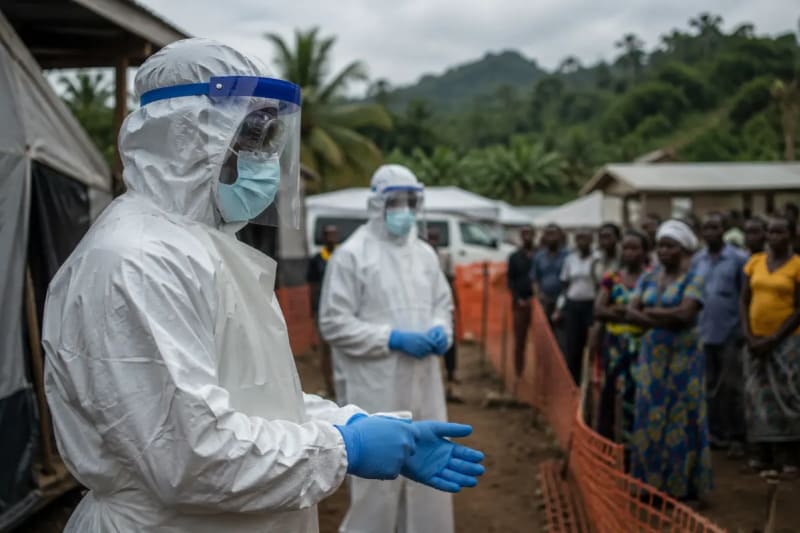
Beyond border risks, the NCDC’s assessment points to systemic weaknesses in Nigeria’s healthcare system, including limited laboratory capacity, inconsistent supply chains for personal protective equipment (PPE), and gaps in healthcare worker training. These deficiencies are not unique to Nigeria but reflect broader challenges across low and middle income countries, where underfunded public health systems struggle to keep pace with emerging threats.
Who May Be Affected
The primary populations at risk include:
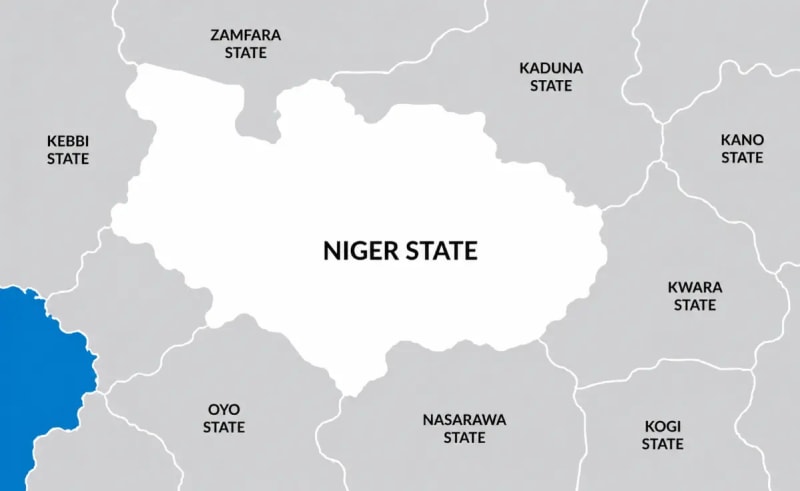
- Border communities: Residents in states like Adamawa, Borno, and Sokoto, where cross border movement is frequent and often unregulated, face the highest exposure risk.
- Healthcare workers: Frontline staff, particularly in rural and under resourced facilities, are vulnerable due to inadequate PPE and training in infection prevention and control.
- Travelers and migrants: Individuals moving between Nigeria and neighboring countries with active Ebola transmission or inadequate surveillance may unknowingly carry the virus.
- General population: Urban centers with high population density, such as Lagos and Abuja, could see rapid spread if an outbreak goes undetected in its early stages.
Government Response
The NCDC has not disclosed a detailed action plan in response to its findings, but previous outbreaks have prompted the following measures:
- Enhanced surveillance: Strengthening disease detection at points of entry, including airports and land borders, through thermal screening and health declaration forms.
- Capacity building: Training healthcare workers in infection prevention, case management, and safe burial practices to reduce transmission risks.
- Public awareness campaigns: Educating communities about Ebola symptoms, transmission routes, and preventive measures to improve early reporting.
- Regional collaboration: Partnering with neighboring countries and international organizations like the World Health Organization (WHO) to share data and coordinate response efforts.
However, critics argue that these measures are reactive rather than proactive, often implemented only after an outbreak has already begun. The NCDC’s admission of 59 percent readiness suggests that sustained investment in public health infrastructure is needed to shift from crisis response to long term preparedness.
Prevention and Safety Guidance
While the risk of an Ebola outbreak in Nigeria remains low, public health experts urge individuals and communities to take the following precautions:
- Avoid contact with bodily fluids: Ebola spreads through direct contact with blood, saliva, sweat, urine, or other bodily fluids of infected individuals. Avoid handling items that may have been contaminated, such as clothing or bedding.
- Practice hand hygiene: Regular handwashing with soap and water or using alcohol based hand sanitizers can reduce the risk of transmission.
- Report symptoms immediately: Early signs of Ebola include fever, fatigue, muscle pain, headache, and sore throat, followed by vomiting, diarrhea, and in some cases, internal and external bleeding. Seek medical attention if these symptoms appear, especially after travel to high risk areas.
- Follow travel advisories: Stay informed about Ebola outbreaks in neighboring countries and adhere to any travel restrictions or screening measures implemented by health authorities.
- Support community awareness: Share accurate information about Ebola with family, friends, and neighbors to combat misinformation and stigma.
What Readers Should Know
The NCDC’s assessment is a stark reminder that preparedness for high consequence pathogens like Ebola is not a one time achievement but an ongoing process. While Nigeria has successfully contained Ebola outbreaks in the past, the country’s growing population, urbanization, and regional instability demand a more robust and proactive approach. For now, the focus must remain on closing critical gaps in border security, healthcare infrastructure, and emergency response, before the next outbreak arrives.
For healthcare workers and policymakers, the message is clear: complacency is not an option. For the public, vigilance and adherence to preventive measures can make the difference between containment and catastrophe.
Key Takeaways
- Nigeria’s Ebola preparedness is currently assessed at just 59 percent, leaving significant gaps in border security, healthcare infrastructure, and emergency response.
- Porous borders with neighboring countries pose a major risk, as unregulated cross border movement could facilitate undetected Ebola transmission.
- Healthcare workers, border communities, and travelers are among the most vulnerable populations in the event of an outbreak.
- Preventive measures, including hand hygiene, symptom reporting, and avoiding contact with bodily fluids, are critical for reducing transmission risks.
- Sustained investment in public health infrastructure and regional collaboration is essential to shift from reactive crisis response to long term preparedness.
Frequently Asked Questions
How prepared is Nigeria for an Ebola outbreak?
According to the Nigeria Centre for Disease Control and Prevention (NCDC), the country is currently 59 percent prepared for an Ebola outbreak. While this reflects ongoing efforts, it also highlights significant gaps in border security, healthcare infrastructure, and emergency response capabilities.
Why are porous borders a concern for Ebola preparedness?
Porous borders allow for unregulated movement of people between Nigeria and neighboring countries, some of which may have active Ebola transmission or weak disease surveillance. This increases the risk of undetected cases entering Nigeria, potentially sparking an outbreak.
What are the early symptoms of Ebola?
Early symptoms of Ebola include fever, fatigue, muscle pain, headache, and sore throat. These are often followed by vomiting, diarrhea, and in some cases, internal or external bleeding. If these symptoms appear, especially after travel to high risk areas, seek medical attention immediately.
What can individuals do to protect themselves from Ebola?
To reduce the risk of Ebola transmission, avoid contact with bodily fluids of infected individuals, practice regular hand hygiene, and report any symptoms immediately. Stay informed about outbreaks in neighboring countries and follow travel advisories issued by health authorities.
Has Nigeria ever had an Ebola outbreak?
Yes, Nigeria experienced an Ebola outbreak in 2014, which resulted in 20 confirmed cases and eight deaths. The outbreak was contained through aggressive contact tracing, isolation of cases, and public health measures, but it exposed vulnerabilities in the country’s preparedness for high consequence pathogens.
Medical Review: MedSense Editorial Board













DISCUSSION (0)
POST A COMMENT