What Happened
During an interview with Arise Television, Dr Jide Idris, head of the NCDC, stated that Nigeria’s readiness to handle an Ebola outbreak currently stands at 59%. The figure reflects an internal assessment of the country’s capacity to detect, respond to, and contain the virus, which causes severe hemorrhagic fever. While the NCDC has been working to improve emergency response systems, the disclosure highlights significant gaps that could leave millions exposed in the event of an outbreak.
Why Public Health Officials Are Concerned
Ebola is one of the most feared pathogens in global health due to its rapid transmission, high mortality rate, and potential for explosive spread in densely populated areas. Nigeria’s last encounter with the virus in 2014, when a single imported case from Liberia triggered a localized outbreak in Lagos, demonstrated both the country’s ability to mount a swift response and the devastating consequences of even minor lapses. That outbreak, which resulted in 20 cases and eight deaths, was contained through aggressive contact tracing, isolation, and public health measures. However, experts warn that the country’s current preparedness level leaves little room for error.
The 59% figure suggests critical deficiencies in key areas such as laboratory capacity, healthcare worker training, personal protective equipment (PPE) stockpiles, and community engagement. In a country where healthcare infrastructure is already stretched thin by endemic diseases like Lassa fever, malaria, and cholera, an Ebola outbreak could quickly overwhelm hospitals and clinics, particularly in rural and underserved regions.
Who May Be Affected
The risk of an Ebola outbreak in Nigeria is not hypothetical. The Democratic Republic of the Congo (DRC) has experienced multiple Ebola epidemics in recent years, with cases occasionally spilling over into neighboring countries. Given Nigeria’s role as a regional hub for travel and trade, the country remains highly vulnerable to imported cases. Healthcare workers, border communities, and urban populations in cities like Lagos, Abuja, and Port Harcourt would be at the highest risk due to their proximity to international airports and dense living conditions that facilitate rapid transmission.
Children, the elderly, and individuals with underlying health conditions would face the greatest threat, as Ebola’s severe symptoms, including internal bleeding, organ failure, and shock, disproportionately affect vulnerable groups. Additionally, misinformation and cultural practices, such as traditional burials that involve direct contact with the deceased, could further accelerate the spread of the virus.
Government and NCDC Response
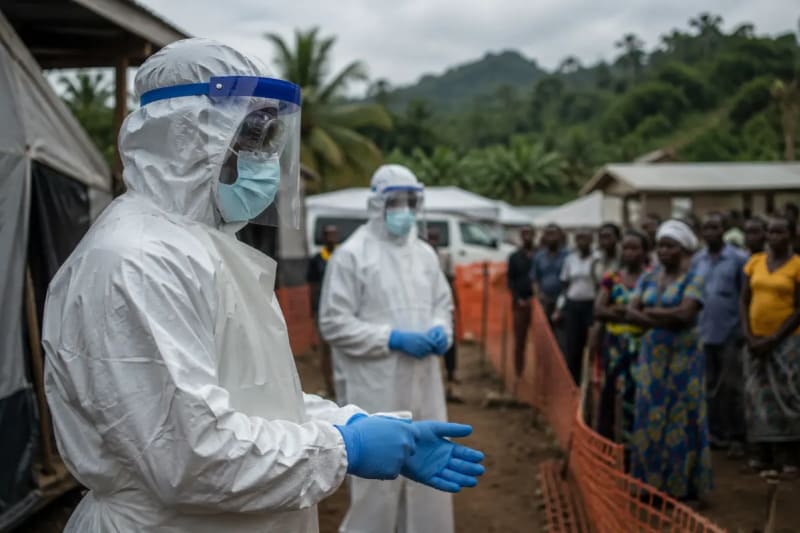
The NCDC has acknowledged the gaps in preparedness and is reportedly accelerating efforts to address them. These include expanding laboratory networks capable of diagnosing Ebola, conducting simulation exercises to test response protocols, and strengthening cross border surveillance with neighboring countries. The agency has also emphasized the importance of community engagement, particularly in high risk areas, to ensure early reporting of suspected cases and adherence to safety measures.
However, critics argue that progress has been slow, with funding constraints and competing health priorities limiting the scope of improvements. The COVID 19 pandemic exposed similar weaknesses in Nigeria’s health system, including shortages of critical supplies and workforce burnout, many of which remain unresolved. Public health advocates are calling for increased investment in disease surveillance, healthcare worker training, and public awareness campaigns to bridge the preparedness gap.
Prevention and Safety Guidance
While the risk of an Ebola outbreak in Nigeria remains uncertain, public health officials urge the public to take proactive steps to reduce exposure. Key recommendations include:
- Avoid contact with bodily fluids: Ebola spreads through direct contact with blood, saliva, sweat, urine, or other bodily fluids of infected individuals. Avoid touching surfaces or objects contaminated with these fluids.
- Practice hand hygiene: Regular handwashing with soap and water or using alcohol based hand sanitizers can significantly reduce the risk of transmission.
- Report symptoms immediately: Early signs of Ebola include fever, fatigue, muscle pain, headache, and sore throat. If these symptoms appear, especially after contact with a suspected case, seek medical attention immediately and avoid close contact with others.
- Follow safe burial practices: Traditional burial rituals that involve washing or touching the deceased should be avoided if the cause of death is unknown or suspected to be Ebola.
- Stay informed: Rely on official sources such as the NCDC, World Health Organization (WHO), and local health authorities for accurate updates and guidance.
What Readers Should Know
Nigeria’s 59% preparedness level is not a static figure. It reflects ongoing efforts to improve response capabilities, but it also serves as a stark reminder of the work that remains. For now, the country’s ability to prevent, detect, and contain an Ebola outbreak hinges on three critical factors: strengthening healthcare infrastructure, ensuring adequate funding for emergency response, and fostering public trust in health authorities.
For individuals, the message is clear: vigilance and proactive measures can save lives. While the threat of Ebola may seem distant, the consequences of complacency could be catastrophic. The NCDC’s warning is not just a call to action for policymakers but a reminder to every Nigerian that preparedness begins at the community level.
Key Takeaways
- Nigeria’s Ebola preparedness is currently assessed at just 59%, leaving critical gaps in detection, response, and containment capabilities.
- The country remains vulnerable due to regional instability, porous borders, and strained healthcare infrastructure, particularly in rural and underserved areas.
- Healthcare workers, border communities, and urban populations face the highest risk, with children, the elderly, and those with underlying conditions most susceptible to severe outcomes.
- The NCDC is accelerating efforts to improve preparedness, including expanding laboratory capacity and strengthening cross border surveillance, but funding and systemic challenges persist.
- Public vigilance, including avoiding contact with bodily fluids, practicing hand hygiene, and reporting symptoms early, is essential to reducing transmission risk.
Frequently Asked Questions
What is Nigeria’s current level of preparedness for an Ebola outbreak?
According to the Nigeria Centre for Disease Control and Prevention (NCDC), the country is currently 59% prepared to respond to an Ebola outbreak. This assessment highlights significant gaps in laboratory capacity, healthcare worker training, and emergency response systems.
Why is Ebola considered a major public health threat in Nigeria?
Ebola is a highly lethal virus with a fatality rate of up to 90% in some outbreaks. Nigeria’s dense population, porous borders, and strained healthcare system make it particularly vulnerable to rapid transmission. The country’s last Ebola outbreak in 2014 demonstrated both the potential for swift spread and the devastating consequences of delayed response.
Who is most at risk if an Ebola outbreak occurs in Nigeria?
Healthcare workers, border communities, and urban populations in cities like Lagos, Abuja, and Port Harcourt are at the highest risk due to their proximity to international travel hubs and dense living conditions. Children, the elderly, and individuals with underlying health conditions are also more susceptible to severe illness.
What steps is the Nigerian government taking to improve Ebola preparedness?
The NCDC is expanding laboratory networks, conducting simulation exercises to test response protocols, and strengthening cross border surveillance. The agency is also prioritizing community engagement to ensure early reporting of suspected cases and adherence to safety measures.
What can individuals do to protect themselves from Ebola?
To reduce the risk of Ebola transmission, individuals should avoid contact with bodily fluids of infected individuals, practice regular hand hygiene, report symptoms such as fever or fatigue immediately, and follow safe burial practices. Staying informed through official sources like the NCDC and WHO is also critical.
Medical Review: MedSense Editorial Board











DISCUSSION (0)
POST A COMMENT