
What Happened
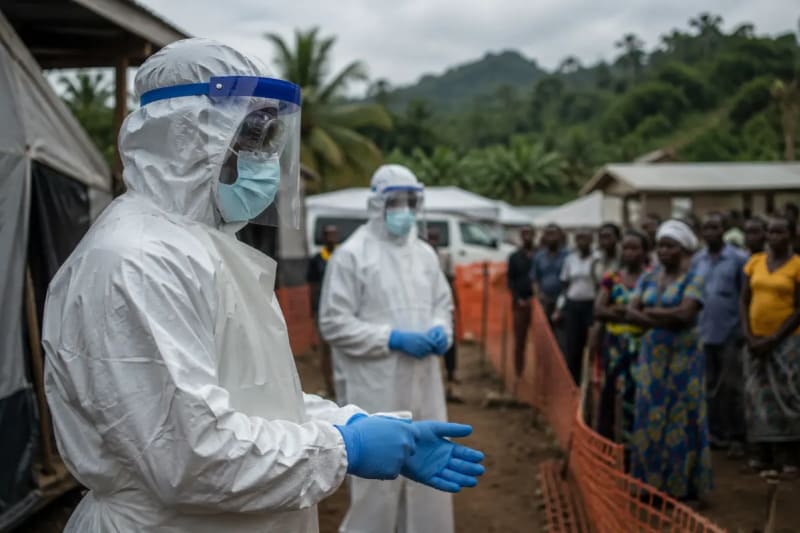
Nigeria’s Federal Government has implemented stricter health screening protocols at all major points of entry, including airports, seaports, and land borders. Travelers flagged as high risk, either due to recent travel history to outbreak zones or the presence of symptoms such as fever, unexplained bleeding, or severe fatigue, will be subjected to secondary screening. Those meeting criteria for viral hemorrhagic fevers, particularly Ebola, will be isolated and referred to designated medical facilities for further evaluation.
The decision follows intelligence reports of renewed Ebola activity in neighboring regions, where cases have been detected in the Democratic Republic of the Congo and Uganda within the past year. While Nigeria remains Ebola free, the government is treating the situation as a potential public health emergency, aligning its response with international health regulations.
Why Public Health Officials Are Concerned
Ebola virus disease is one of the deadliest pathogens known to medicine, with fatality rates ranging from 25% to 90% depending on the strain and healthcare infrastructure. The virus spreads through direct contact with bodily fluids of infected individuals or contaminated surfaces, making early detection critical to preventing outbreaks. Nigeria’s dense urban centers and porous borders heighten the risk of undetected importation, particularly from countries with ongoing transmission.
Public health experts warn that complacency could have devastating consequences. The 2014 outbreak in Nigeria, though successfully contained, exposed vulnerabilities in surveillance and response systems. Lessons from that episode have informed the current strategy, which emphasizes rapid identification, isolation, and contact tracing to break chains of transmission before they escalate.
Symptoms or Risk Factors
Ebola symptoms typically appear 2 to 21 days after exposure and may include:
- Sudden onset of fever and chills
- Severe headache and muscle pain
- Unexplained fatigue or weakness
- Vomiting, diarrhea, and abdominal pain
- Unexplained bleeding or bruising (in advanced stages)
High risk individuals include healthcare workers, travelers from outbreak zones, and those who have had direct contact with confirmed or suspected cases. Authorities urge anyone experiencing these symptoms after recent travel to seek medical attention immediately and avoid contact with others.
Who May Be Affected
The enhanced screening measures primarily target international travelers, particularly those arriving from countries with active Ebola transmission. However, the broader population could face indirect consequences if the virus gains a foothold. Healthcare workers, border officials, and communities near entry points are at elevated risk of exposure if containment protocols fail.
Nigeria’s large diaspora and frequent cross border movement for trade or family visits further complicate surveillance efforts. Public health campaigns are being intensified to educate travelers and frontline workers on recognizing symptoms and adhering to safety protocols.
Government and WHO Response
The Nigerian Centre for Disease Control and Prevention (NCDC) is leading the coordination of the response, in collaboration with the World Health Organization (WHO) and other international partners. The NCDC has activated its Emergency Operations Centre and is conducting simulation exercises to test preparedness at key entry points.
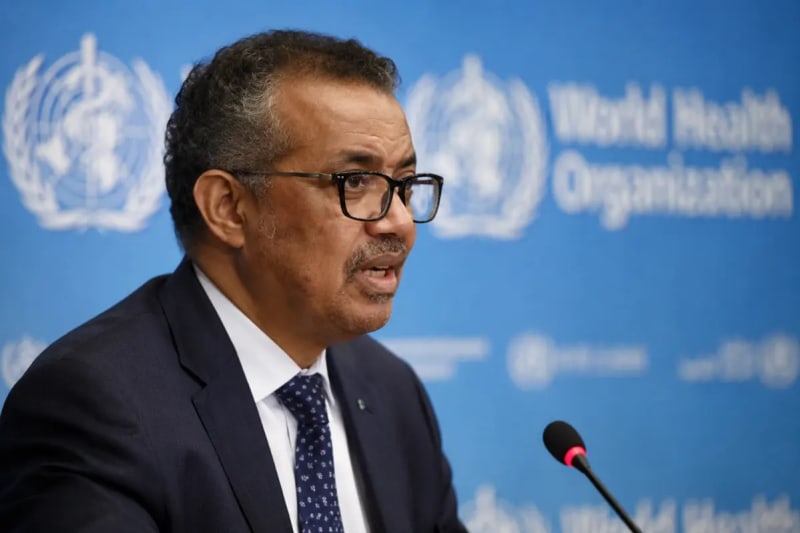
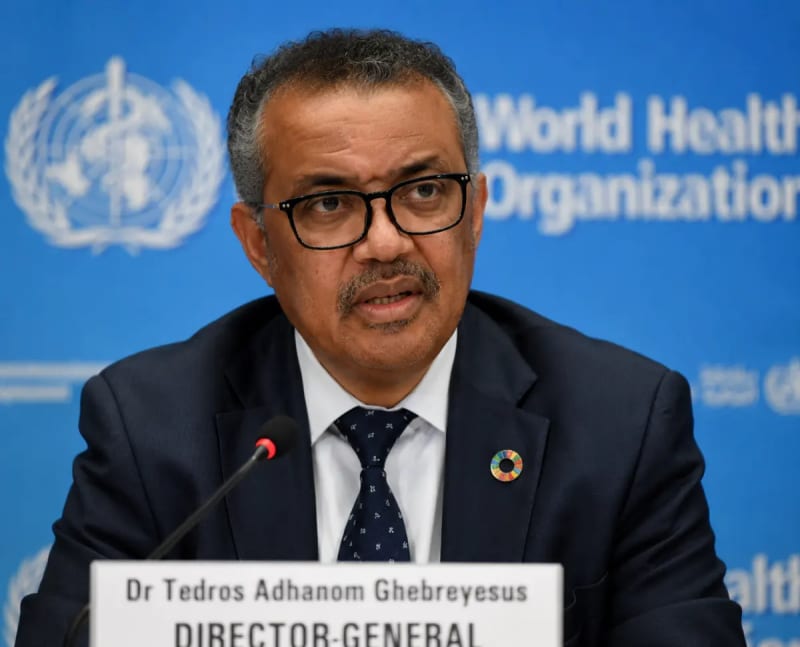
The WHO has praised Nigeria’s proactive stance, noting that the country’s investment in laboratory capacity and rapid response teams since 2014 has positioned it well to handle potential outbreaks. Regional health bodies, including the Africa Centres for Disease Control and Prevention (Africa CDC), are also monitoring the situation closely and providing technical support.
Prevention and Safety Guidance
For travelers and the general public, health authorities recommend the following precautions:
- Avoid non essential travel to areas with active Ebola transmission.
- Practice frequent hand hygiene with soap and water or alcohol based sanitizers.
- Avoid contact with blood, bodily fluids, or raw meat from wild animals.
- Healthcare workers should adhere to strict infection prevention and control measures, including the use of personal protective equipment (PPE).
- If symptoms develop after travel, isolate immediately and contact health authorities.
Businesses and organizations operating near borders or airports are advised to review their emergency response plans and ensure staff are trained in basic infection control practices.
What Readers Should Know
While the risk of Ebola spreading in Nigeria remains low, the government’s preemptive measures serve as a reminder of the ongoing threat posed by viral hemorrhagic fevers. The country’s ability to detect and contain cases early will be critical in preventing a larger outbreak. Travelers should stay informed about health advisories and comply with screening procedures to protect themselves and their communities.
For the latest updates, the public is encouraged to follow official sources such as the NCDC and WHO, which provide real time information on outbreak developments and safety guidelines.
Key Takeaways
- Nigeria has intensified health screening at airports, seaports, and land borders to prevent Ebola importation amid regional concerns.
- High risk travelers or those displaying symptoms will undergo secondary screening, isolation, and referral to medical facilities.
- Ebola symptoms include fever, severe headache, fatigue, vomiting, and unexplained bleeding, with a 2 to 21 day incubation period.
- The government’s response is coordinated by the NCDC, with support from the WHO and Africa CDC, focusing on early detection and containment.
- Travelers and healthcare workers should follow prevention guidelines, including hand hygiene and avoiding contact with bodily fluids.
Frequently Asked Questions
Is Nigeria currently experiencing an Ebola outbreak?
No, Nigeria has not reported any confirmed Ebola cases. The enhanced screening measures are precautionary, aimed at preventing potential importation from countries with active transmission.
What should I do if I develop symptoms after traveling to an Ebola affected country?
Isolate yourself immediately to prevent potential transmission to others. Contact local health authorities or the NCDC for guidance on next steps, including testing and medical evaluation.
How effective are airport screenings in preventing Ebola spread?
While not foolproof, airport screenings are a critical tool for early detection. They help identify symptomatic travelers and those at high risk, allowing for prompt isolation and medical care to prevent further spread.
What is the risk of Ebola spreading in Nigeria?
The current risk is considered low, thanks to Nigeria’s strengthened surveillance and response systems. However, the situation is being closely monitored due to the potential for cross border transmission.
Where can I find reliable updates on Ebola in Nigeria?
Official sources such as the Nigerian Centre for Disease Control and Prevention (NCDC) and the World Health Organization (WHO) provide accurate and up to date information on Ebola and other health threats.
Medical Review: MedSense Editorial Board











DISCUSSION (0)
POST A COMMENT