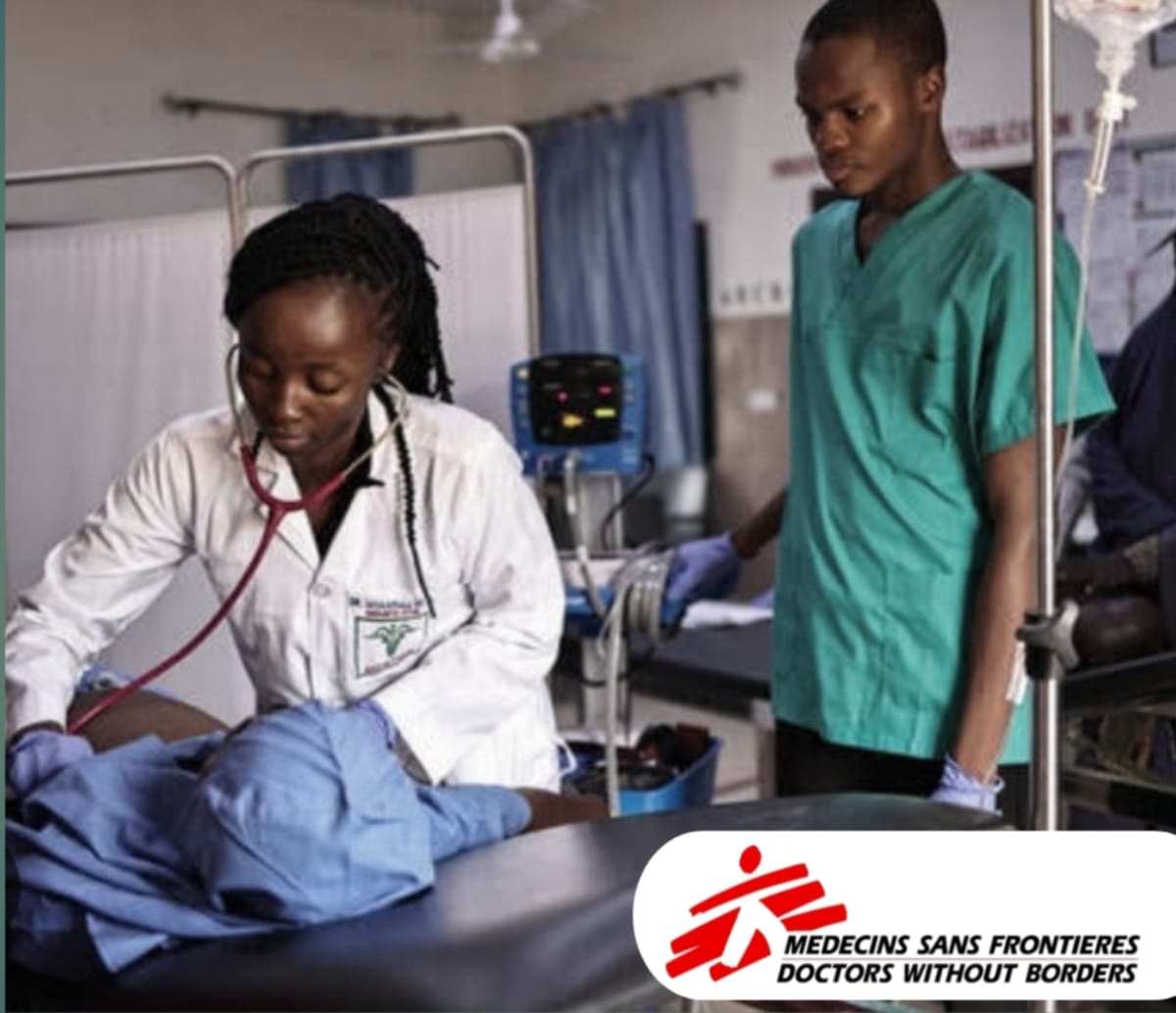
Nigeria is grappling with a deepening malnutrition crisis, with the country ranking among the worst affected globally in recent health assessments. Médecins Sans Frontières (MSF) has documented alarmingly high rates of acute malnutrition, particularly in northern regions where food insecurity and poverty are most acute.
Health officials and humanitarian organizations warn that the situation is worsening due to a combination of economic instability, disrupted food supply chains, and limited access to essential healthcare services. Children under five and pregnant women remain the most vulnerable, facing heightened risks of stunted growth, weakened immunity, and life threatening complications.
What Happened
MSF’s latest field reports indicate that Nigeria’s malnutrition rates have surged in 2024, placing it among the top 10 countries with the highest burden of acute malnutrition in children. The crisis has been exacerbated by climate related shocks, such as flooding and drought, which have devastated agricultural output in key regions. Humanitarian agencies report that over 2 million children under five are acutely malnourished, with many requiring urgent medical intervention.
Why Public Health Officials Are Concerned
Public health experts describe the malnutrition surge as a silent epidemic with far reaching consequences. Severe acute malnutrition increases a child’s risk of mortality from common infections like diarrhea and pneumonia by up to fivefold. Health authorities also highlight the long term developmental impacts, including impaired cognitive function and chronic health conditions that persist into adulthood. The strain on Nigeria’s healthcare system is compounded by underfunded nutrition programs and a shortage of specialized treatment centers.
Symptoms or Risk Factors
Malnutrition manifests through visible and measurable signs, including rapid weight loss, swelling in the limbs or face, and extreme lethargy in children. Infants and young children are particularly susceptible due to their high nutritional demands for growth. Risk factors include inadequate breastfeeding practices, poor dietary diversity, and recurrent infections that reduce nutrient absorption. In adults, chronic malnutrition leads to weakened muscle mass, anemia, and increased susceptibility to chronic diseases like diabetes and hypertension.
Who May Be Affected
The most severe impacts are concentrated in northern states such as Borno, Yobe, and Zamfara, where conflict, displacement, and economic collapse have disrupted livelihoods. Rural communities, internally displaced persons (IDPs), and low income households are disproportionately affected. Pregnant and lactating women also face heightened risks, as malnutrition during pregnancy increases the likelihood of preterm births and low birth weight, perpetuating the cycle of poor health outcomes.
Government or WHO Response
The Nigerian government, in collaboration with the World Health Organization (WHO) and UN agencies, has activated emergency nutrition response plans. The Federal Ministry of Health has deployed mobile health teams to remote areas, while the National Emergency Management Agency (NEMA) coordinates food distribution in conflict zones. International donors, including the United Nations Children’s Fund (UNICEF) and the Global Alliance for Improved Nutrition (GAIN), are scaling up therapeutic feeding programs and supplying ready to use therapeutic foods (RUTFs) to stabilize affected children.
Prevention and Safety Guidance
Health authorities recommend a multi pronged approach to curb malnutrition. For families, prioritizing breastfeeding for infants under six months, diversifying diets with locally available nutrient rich foods, and ensuring access to clean water are critical. Community health workers are being trained to identify early signs of malnutrition and refer cases to treatment centers. At the policy level, experts advocate for expanded social protection programs, such as cash transfers for vulnerable households, and investments in agricultural resilience to mitigate food shortages.
What Readers Should Know
While the crisis is severe, public health interventions have demonstrated success in reversing malnutrition when implemented at scale. Programs like community based management of acute malnutrition (CMAM) have reduced child mortality by up to 50% in comparable settings. However, sustained progress requires coordinated action from governments, donors, and local communities. Readers can support relief efforts by donating to reputable humanitarian organizations or advocating for policies that strengthen Nigeria’s healthcare and food security systems.
Key Takeaways
- Nigeria’s malnutrition crisis has reached critical levels, with over 2 million children under five acutely malnourished in 2024.
- Severe malnutrition in early childhood increases mortality risks from infections and leads to long term developmental delays.
- Northern states, rural communities, and displaced populations are the hardest hit due to conflict, economic instability, and climate shocks.
- Government and international agencies are scaling up emergency nutrition programs, including therapeutic feeding and mobile health teams.
- Preventive measures, such as breastfeeding support and social protection programs, are essential to breaking the cycle of malnutrition.
Frequently Asked Questions
How does malnutrition in childhood affect long term health?
Chronic malnutrition in early childhood impairs cognitive development, reduces immune function, and increases the risk of chronic diseases in adulthood, such as diabetes and cardiovascular conditions. Stunted growth and weakened muscle mass can persist even after nutritional rehabilitation.
What are the most effective treatments for severe acute malnutrition?
The WHO recommends community based management of acute malnutrition (CMAM), which includes the use of ready to use therapeutic foods (RUTFs) for children without medical complications. Severe cases requiring hospitalization are treated with therapeutic milks and antibiotics to address infections.
How can communities support malnutrition prevention efforts?
Communities can promote breastfeeding, diversify diets with locally available nutrient rich foods, and participate in health education programs. Reporting early signs of malnutrition to community health workers and supporting local food security initiatives also play a critical role.
What role do climate events play in Nigeria’s malnutrition crisis?
Climate related shocks, such as flooding and drought, disrupt agricultural production, leading to food shortages and rising prices. These events exacerbate food insecurity, particularly in northern Nigeria, where livelihoods depend heavily on farming.
How can donors contribute to addressing malnutrition in Nigeria?
Donors can support organizations like UNICEF, MSF, and GAIN by funding nutrition programs, supplying therapeutic foods, and investing in healthcare infrastructure. Advocacy for policy changes, such as expanded social protection programs, is also critical.
Medical Review: MedSense Editorial Board








DISCUSSION (0)
POST A COMMENT