
What Happened
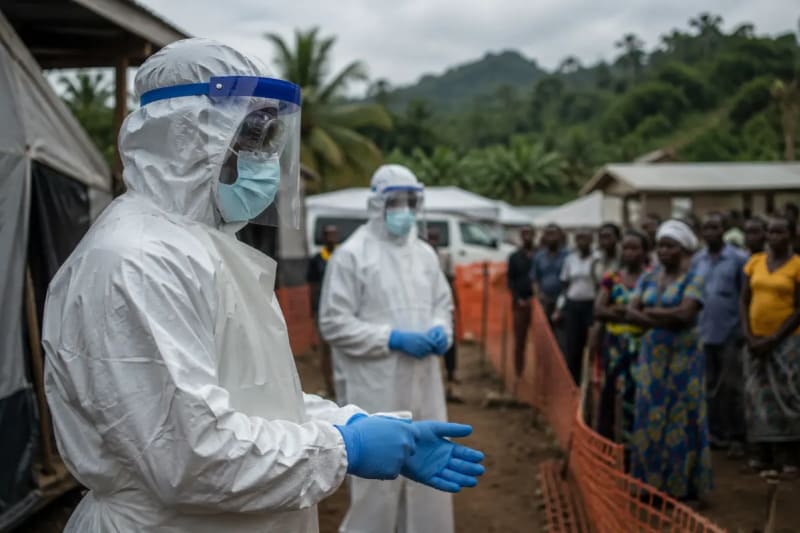
Nigeria’s Federal Government has implemented enhanced health screening procedures across all international entry points, including airports, seaports, and land borders. Travelers identified as high risk, either due to recent travel to Ebola affected regions or the presence of symptoms, will undergo secondary screening, isolation, and, if necessary, referral to designated medical facilities. The decision follows reports of active Ebola outbreaks in neighboring and distant regions, prompting concerns about imported cases.
Why Public Health Officials Are Concerned
Ebola virus disease is one of the most lethal pathogens known to medicine, with fatality rates ranging from 25% to 90% depending on the strain and access to care. The virus spreads through direct contact with bodily fluids of infected individuals or contaminated surfaces, making early detection and isolation essential to preventing outbreaks. While Nigeria successfully contained its last Ebola outbreak in 2014, the current global resurgence, particularly in parts of Central and West Africa, has reignited fears of reintroduction.
Public health agencies, including the Nigeria Centre for Disease Control and Prevention (NCDC) and the World Health Organization (WHO), have warned that porous borders, frequent cross border movement, and limited healthcare infrastructure in some regions heighten the risk of undetected cases slipping through. The new screening measures aim to close these gaps by ensuring that even mild symptoms, such as fever, fatigue, or unexplained bleeding, trigger immediate medical evaluation.
Symptoms or Risk Factors
Ebola symptoms typically appear between 2 to 21 days after exposure and may include:
- Sudden onset of fever and chills
- Severe headache and muscle pain
- Weakness and fatigue
- Sore throat and difficulty swallowing
- Unexplained bleeding or bruising (in advanced stages)
- Gastrointestinal symptoms, such as vomiting and diarrhea
High risk individuals include those who have traveled to areas with active Ebola transmission, healthcare workers exposed to infected patients, and individuals who have had direct contact with bodily fluids of confirmed or suspected cases. Even mild symptoms in these groups warrant immediate medical attention.
Who May Be Affected
The primary groups at risk include:
- Travelers: Those arriving from Ebola affected countries, particularly in Central and West Africa, face heightened scrutiny. Airlines and border officials have been instructed to flag passengers with recent travel histories to outbreak zones.
- Healthcare Workers: Frontline medical staff, including doctors, nurses, and laboratory technicians, are at increased risk due to potential exposure to infected patients or samples.
- Border Communities: Populations living near land borders with countries experiencing outbreaks may face elevated risk due to unregulated cross border movement.
- General Public: While the immediate risk remains low, public awareness campaigns are being intensified to ensure communities recognize symptoms and report potential cases promptly.
Government and WHO Response
The Nigerian government, in collaboration with international health agencies, has activated its national emergency response framework. Key actions include:
- Deployment of rapid response teams to major entry points to support screening and isolation efforts.
- Training for border officials and healthcare workers on infection prevention and control measures.
- Public awareness campaigns to educate citizens on Ebola symptoms, transmission routes, and preventive measures.
- Strengthening of laboratory capacity to ensure swift diagnosis of suspected cases.
The WHO has praised Nigeria’s proactive stance, noting that the country’s experience with the 2014 outbreak positions it well to respond effectively. However, the agency has also cautioned that sustained vigilance is necessary, particularly as global travel rebounds post pandemic and new variants of the virus emerge.
Prevention and Safety Guidance
While Ebola is not airborne, it spreads through direct contact with infected bodily fluids. The following precautions can reduce transmission risk:
- Avoid High Risk Areas: Travelers should postpone non essential trips to regions with active Ebola outbreaks. If travel is unavoidable, adhere strictly to local health advisories and avoid contact with sick individuals.
- Practice Hand Hygiene: Regular handwashing with soap and water or use of alcohol based hand sanitizers can reduce the risk of contamination.
- Use Protective Equipment: Healthcare workers and caregivers should wear gloves, masks, and gowns when treating or interacting with suspected or confirmed cases.
- Safe Burial Practices: Traditional burial rituals involving direct contact with the deceased can facilitate transmission. Follow guidelines from health authorities for safe handling of bodies.
- Monitor Symptoms: Individuals who have traveled to affected areas or been in contact with suspected cases should self monitor for symptoms for 21 days. Seek medical attention immediately if symptoms develop.
What Readers Should Know
Nigeria’s decision to ramp up border screening is a preventive measure, not an indication of an active Ebola outbreak within the country. The risk to the general population remains low, but the steps being taken are designed to ensure it stays that way. Travelers should cooperate fully with health officials during screenings and report any symptoms without delay.
For those living in or traveling to Nigeria, staying informed through official sources, such as the NCDC and WHO, is crucial. Misinformation can spread as quickly as the virus itself, so rely on verified updates to guide your actions. If you or someone you know develops symptoms after potential exposure, isolate immediately and contact health authorities.
While Ebola is a serious threat, it is also preventable with the right precautions. Nigeria’s experience in 2014 demonstrated that early detection, rapid response, and community engagement can stop the virus in its tracks. The current measures are a testament to the country’s commitment to protecting its citizens and preventing another public health crisis.
Key Takeaways
- Nigeria has intensified Ebola screening at all international entry points, including airports, seaports, and land borders, to detect and isolate high risk travelers.
- Symptoms of Ebola include fever, fatigue, muscle pain, and unexplained bleeding, with high risk groups including travelers from outbreak zones and healthcare workers.
- The government has activated emergency response measures, including public awareness campaigns and rapid response teams, to prevent cross border transmission.
- Prevention relies on avoiding high risk areas, practicing hand hygiene, using protective equipment, and monitoring symptoms for 21 days after potential exposure.
- While the risk to the general population is currently low, vigilance and cooperation with health authorities are critical to containing potential outbreaks.
Frequently Asked Questions
What should I do if I develop Ebola like symptoms after traveling?
If you develop symptoms such as fever, fatigue, or unexplained bleeding within 21 days of traveling to an Ebola affected region, isolate yourself immediately and contact health authorities. Do not visit a healthcare facility without notifying them in advance to ensure proper infection control measures are in place.
How effective are the new screening measures at Nigeria’s borders?
Border screening is a critical first line of defense, but it is not foolproof. Some infected individuals may not show symptoms during travel. The measures are designed to catch as many cases as possible early, but public awareness and community reporting remain essential to identifying cases that slip through.
Is there a vaccine for Ebola?
Yes, the Ervebo vaccine has been approved for use against the Zaire strain of Ebola, which is responsible for most outbreaks. It has been used in ring vaccination campaigns during outbreaks to protect high risk individuals, such as healthcare workers and contacts of confirmed cases. However, it is not yet widely available for general use.
Can Ebola be transmitted through casual contact?
No, Ebola is not spread through casual contact like hugging, shaking hands, or sitting next to an infected person. It requires direct contact with bodily fluids, such as blood, vomit, or sweat, of a symptomatic individual or contaminated surfaces. Airborne transmission has not been documented in natural outbreaks.
What is Nigeria’s history with Ebola outbreaks?
Nigeria experienced a single Ebola outbreak in 2014, which resulted in 20 confirmed cases and 8 deaths. The outbreak was contained within three months due to swift government action, including contact tracing, isolation, and public health campaigns. The country was declared Ebola free by the WHO in October 2014.
Medical Review: MedSense Editorial Board











DISCUSSION (0)
POST A COMMENT