
What Happened
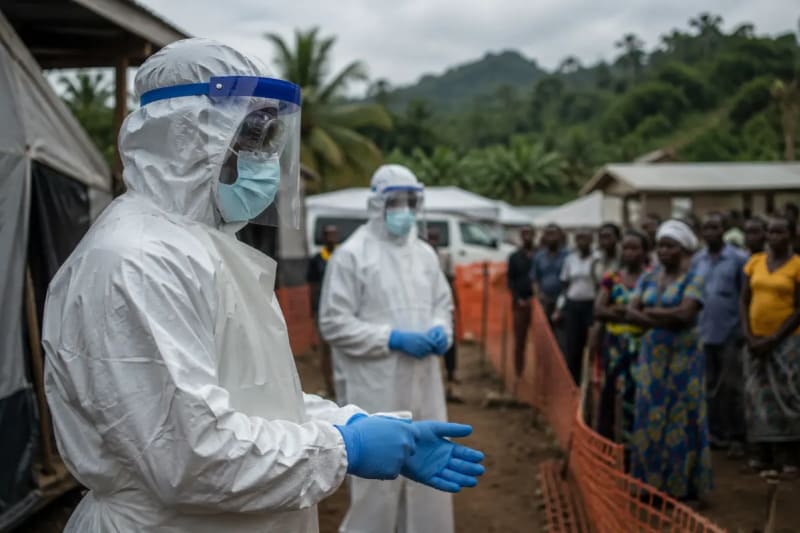
Public health experts in Nigeria have issued a travel advisory urging citizens to defer all non essential trips to countries currently experiencing Ebola outbreaks. The directive, while not legally binding, reflects growing unease among medical professionals about the potential for viral importation and subsequent community transmission. The advisory aligns with similar warnings from global health agencies, including the WHO and the Africa Centres for Disease Control and Prevention, which have classified the current Ebola situation as a regional public health emergency.
The Democratic Republic of the Congo remains the epicenter of the outbreak, with ongoing transmission in North Kivu province and sporadic cases reported in bordering areas of Uganda and Rwanda. While the current strain, Ebola Zaire, is the same that caused the 2014 West African epidemic, health officials note that improved surveillance, vaccine availability, and treatment protocols have helped contain the spread more effectively this time. However, the risk of cross border transmission remains significant, particularly in regions with weak healthcare infrastructure and high population mobility.
Why Public Health Officials Are Concerned
The primary concern for Nigerian health authorities is the country’s vulnerability to imported cases, a risk amplified by several factors. First, Nigeria’s status as a regional travel hub means thousands of passengers transit through its airports daily, many from Ebola affected regions. Second, the country’s dense urban populations, particularly in cities like Lagos and Kano, create ideal conditions for rapid viral spread once a case is introduced. Third, while Nigeria has made strides in epidemic preparedness since 2014, many healthcare facilities, especially in rural areas, still lack the resources for early detection and isolation of suspected cases.
Another critical factor is the potential for misdiagnosis. Ebola’s early symptoms, fever, fatigue, muscle pain, mimic those of malaria and typhoid, two of Nigeria’s most common illnesses. This overlap could lead to delayed identification of cases, allowing the virus to spread undetected in healthcare settings. The 2014 outbreak in Nigeria was contained only after a rapid response that included contact tracing, isolation, and public education, but experts warn that complacency could undermine these gains.
Symptoms and Risk Factors
Ebola virus disease is a severe, often fatal illness with an average case fatality rate of around 50 percent, though this varies by outbreak and strain. The virus spreads through direct contact with the bodily fluids of infected individuals or contaminated surfaces. Early symptoms typically appear 2 to 21 days after exposure and include:
- Sudden onset of fever and chills
- Severe headache and muscle pain
- Fatigue and weakness
- Sore throat and difficulty swallowing
- Vomiting and diarrhea, which may become bloody in later stages
- Unexplained bleeding or bruising
Healthcare workers, family members caring for sick individuals, and those handling the bodies of deceased Ebola patients are at highest risk of infection. Travelers returning from outbreak zones are advised to monitor their health for 21 days and seek immediate medical attention if symptoms develop, informing healthcare providers of their travel history before arrival.
Who May Be Affected
The travel advisory primarily targets Nigerians planning non essential trips to Ebola affected countries, including the Democratic Republic of the Congo, Uganda, Rwanda, and Burundi. However, the broader population at risk extends to:
- Business travelers and traders who frequently cross land borders
- Healthcare workers and first responders
- Families with relatives in outbreak zones
- Students and migrant workers returning from affected regions
- Communities near international airports and land borders
Children, the elderly, and individuals with underlying health conditions, such as diabetes or HIV, are particularly vulnerable to severe outcomes if infected. Public health officials also highlight the risk to Nigeria’s healthcare system, which could become overwhelmed if an outbreak occurs alongside other ongoing health challenges, such as Lassa fever and COVID 19.
Government and WHO Response
The Nigerian government, through the Nigeria Centre for Disease Control, has activated its national Ebola preparedness and response plan, which includes enhanced surveillance at ports of entry, training for healthcare workers, and public awareness campaigns. The NCDC has also established rapid response teams in high risk states and is conducting simulation exercises to test the country’s readiness for a potential outbreak.
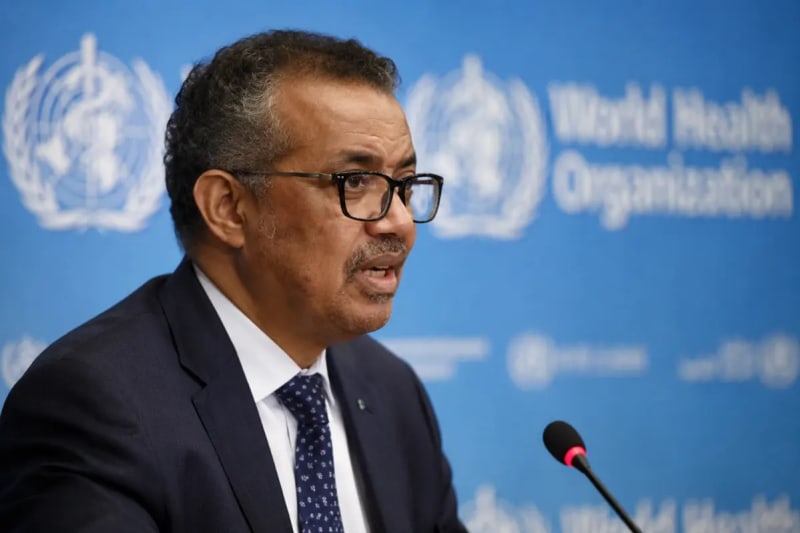
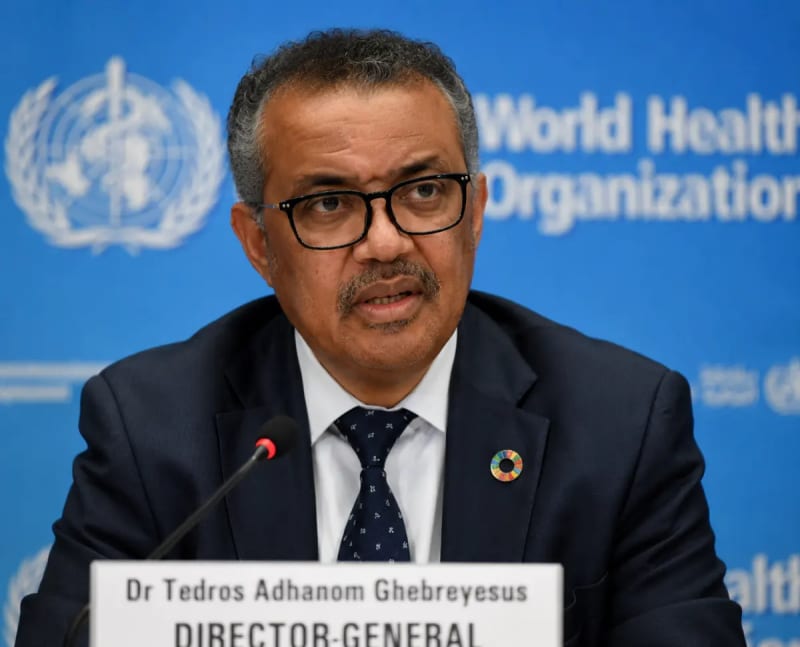
The World Health Organization has deployed technical experts to support Nigeria’s preparedness efforts, including training on case management, infection prevention, and laboratory diagnostics. The WHO has also facilitated the pre positioning of Ebola vaccines and therapeutics in strategic locations across Africa, though Nigeria has not yet requested stockpiles for its own use. Globally, the WHO continues to monitor the situation, providing regular updates and coordinating with regional health agencies to prevent cross border spread.
Prevention and Safety Guidance
Public health officials emphasize that prevention remains the most effective tool against Ebola. Key recommendations for Nigerians include:
- Avoid non essential travel to countries with active Ebola transmission. If travel is unavoidable, register with the Nigerian embassy and follow local health advisories.
- Practice strict hand hygiene by washing hands frequently with soap and water or using alcohol based hand sanitizers.
- Avoid contact with bodily fluids of sick individuals, including blood, saliva, urine, and sweat. Do not handle items that may have come into contact with an infected person’s bodily fluids.
- Follow safe burial practices. Traditional burial rituals that involve washing or touching the deceased can spread Ebola. Follow guidelines from health authorities for safe burials.
- Monitor health after travel. If you have traveled to an Ebola affected area, watch for symptoms for 21 days and seek medical care immediately if they develop.
- Healthcare workers should adhere to strict infection prevention and control measures, including the use of personal protective equipment when caring for suspected or confirmed cases.
What Readers Should Know
Ebola is not an airborne virus, and the risk of transmission in everyday settings, such as public transportation or offices, is low. However, the virus is highly contagious in healthcare and household settings where close contact with bodily fluids occurs. The current travel advisory is a precautionary measure, not a cause for alarm. Nigerians should stay informed through official sources, such as the NCDC and WHO, and avoid spreading unverified information that could fuel panic.
For those with loved ones in outbreak zones, maintaining communication and encouraging adherence to local health guidelines is crucial. If you suspect someone may have been exposed to Ebola, do not attempt to care for them at home. Instead, contact local health authorities immediately for guidance on safe transportation to a designated treatment facility.
The global response to Ebola has improved significantly since the 2014 epidemic, with vaccines and experimental treatments now available. However, prevention and early detection remain the cornerstones of outbreak control. By heeding travel advisories and following public health guidance, Nigerians can play a critical role in protecting themselves and their communities from this deadly virus.
Key Takeaways
- Nigeria has issued a travel advisory urging citizens to avoid non essential trips to Ebola affected countries due to the risk of viral importation and rapid transmission.
- Early symptoms of Ebola include fever, fatigue, and muscle pain, which can mimic common illnesses like malaria, leading to potential misdiagnosis.
- Healthcare workers, travelers, and families with relatives in outbreak zones are at highest risk and should follow strict infection prevention measures.
- The Nigerian government and WHO have activated preparedness plans, including enhanced surveillance and training, to prevent and respond to potential cases.
- Prevention remains the best defense: avoid travel to outbreak zones, practice hand hygiene, and monitor health for 21 days after potential exposure.
Frequently Asked Questions
Is Nigeria currently experiencing an Ebola outbreak?
No, Nigeria has not recorded any Ebola cases in the current outbreak. The travel advisory is a precautionary measure to prevent importation of the virus from affected countries.
How does Ebola spread?
Ebola spreads through direct contact with the bodily fluids of infected individuals or contaminated surfaces. It is not airborne and does not spread through casual contact like shaking hands or sitting next to someone on a bus.
What should I do if I develop symptoms after traveling to an Ebola affected country?
If you develop symptoms such as fever, fatigue, or muscle pain within 21 days of traveling to an Ebola affected area, seek medical attention immediately. Inform your healthcare provider of your travel history before arrival to ensure proper precautions are taken.
Are there vaccines or treatments for Ebola?
Yes, there are experimental vaccines and treatments for Ebola, including the Ervebo vaccine, which has been used in outbreak response efforts. However, prevention and early detection remain the most effective strategies for controlling the spread of the virus.
How can I stay updated on the Ebola situation?
Rely on official sources such as the Nigeria Centre for Disease Control, the World Health Organization, and the Africa Centres for Disease Control and Prevention for accurate and up to date information.
Medical Review: MedSense Editorial Board











DISCUSSION (0)
POST A COMMENT