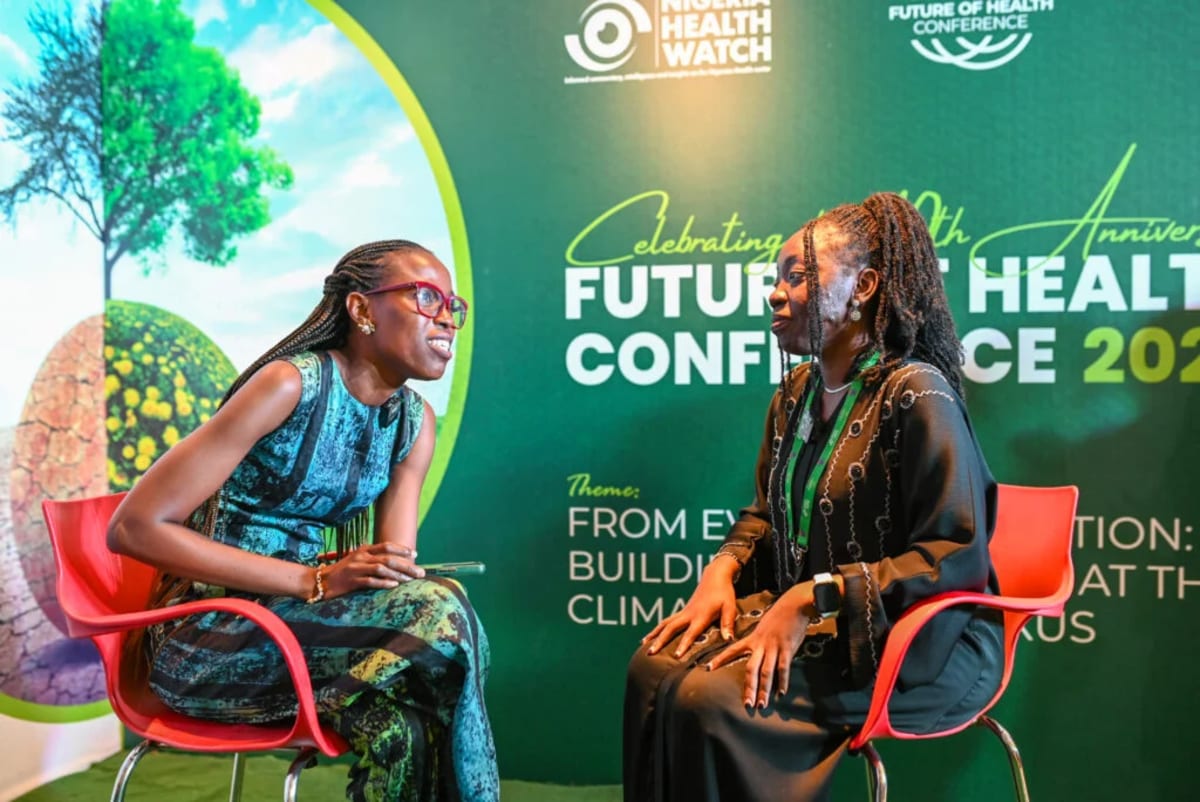
In Nigeria, where healthcare systems face persistent challenges from misinformation to resource constraints, Nigeria Health Watch has become a critical voice in delivering accurate, actionable health intelligence. The Abuja based organization merges data science with investigative journalism to expose systemic gaps, inform policy, and empower communities with reliable health information.
What Nigeria Health Watch Does
Nigeria Health Watch operates at the intersection of public health and journalism, using a combination of large scale surveys, field investigations, and data analysis to identify and address health communication gaps. Its approach is built on three pillars: collecting primary data through nationwide surveys, analyzing findings to uncover systemic inefficiencies, and translating insights into practical solutions for policymakers and communities.
The organization deploys investigative journalists to rural and urban areas, documenting firsthand accounts from healthcare workers, patients, and local leaders. These narratives are paired with quantitative data to create a fuller picture of Nigeria’s health landscape, from vaccine hesitancy in northern states to maternal health disparities in the Niger Delta.
Evidence That Shapes Policy and Practice
Since its founding, Nigeria Health Watch has influenced national health strategies by providing data driven reports to government agencies and international partners. Its research has contributed to revisions in the National Health Act, supported the expansion of immunization campaigns, and guided resource allocation in under resourced health facilities.
For example, its 2022 survey on primary healthcare access revealed critical delays in service delivery due to staff shortages and supply chain breakdowns. The findings prompted the Federal Ministry of Health to reallocate funds toward rural health centers and pilot telemedicine programs in three states.
Why Accurate Health Information Is Non Negotiable
The need for organizations like Nigeria Health Watch has grown amid two converging crises: the COVID 19 pandemic exposed deep vulnerabilities in Nigeria’s healthcare infrastructure, while social media amplified misinformation about vaccines, treatments, and disease risks. During the pandemic, Nigeria Health Watch published weekly briefings that debunked myths while tracking infection trends in real time, reaching over 2 million people through digital and broadcast platforms.
Its work also highlights the consequences of fragmented health data. Many Nigerian states lack integrated health information systems, leaving policymakers to make decisions based on outdated or incomplete reports. By aggregating data from public facilities, private providers, and community health workers, Nigeria Health Watch fills these gaps, offering a more accurate view of the country’s health priorities.
Who Benefits From This Work
Nigeria Health Watch’s impact extends across multiple sectors. Policymakers rely on its reports to design targeted interventions, such as the National Malaria Strategic Plan, which incorporated findings from a 2021 survey on bed net usage in high risk regions. Healthcare providers use its data to improve service delivery, while community health workers leverage its public awareness campaigns to promote vaccination and maternal health.
Vulnerable populations, including pregnant women in rural areas and children in conflict zones, are among the primary beneficiaries. For instance, after Nigeria Health Watch documented a 30% drop in antenatal care visits in Borno State due to insecurity, it partnered with local NGOs to launch mobile health clinics, restoring access for thousands of women.
How the Organization Overcomes Challenges
Despite its achievements, Nigeria Health Watch faces hurdles common to independent health organizations in low resource settings. Securing consistent funding remains a challenge, as donor priorities often shift toward emergency response rather than long term capacity building. To address this, the organization has diversified its revenue streams, including grants from global health foundations and partnerships with tech companies to develop low cost data tools.
Another obstacle is the lack of interoperable health data systems. Many Nigerian states operate in silos, making it difficult to aggregate comprehensive datasets. Nigeria Health Watch is addressing this by collaborating with state governments to standardize reporting formats and piloting blockchain based health records in Lagos and Kano.
What Readers Should Know
For healthcare professionals, Nigeria Health Watch offers a model for bridging the gap between data and policy. Its annual Health Watch Forum brings together journalists, researchers, and government officials to discuss pressing health issues, such as antimicrobial resistance and noncommunicable diseases.
For communities, the organization’s public campaigns translate complex health topics into accessible language. Its #HealthWatchNigeria social media initiative, which reached over 5 million people in 2023, simplifies topics like tuberculosis diagnosis and cervical cancer screening, encouraging proactive health behaviors.
For policymakers, Nigeria Health Watch demonstrates the value of investing in local health intelligence. Its reports have shown that targeted interventions, such as community health insurance schemes in Kwara State, can reduce out of pocket expenses for families while improving service quality.
Key Takeaways
- Nigeria Health Watch combines data analysis and investigative journalism to expose health system gaps and inform policy in Nigeria.
- Its research has directly influenced national health strategies, including revisions to the National Health Act and expanded immunization programs.
- The organization addresses misinformation by publishing evidence based briefings and public campaigns that reach millions.
- Nigeria Health Watch’s work highlights the need for integrated health data systems to improve decision making at all levels.
- Funding sustainability and data accessibility remain key challenges, but partnerships with tech firms and governments are helping scale solutions.
Frequently Asked Questions
How does Nigeria Health Watch ensure the accuracy of its data?
The organization employs epidemiologists, data scientists, and journalists who validate findings through multiple sources, including government health records, field surveys, and peer reviewed studies. Its reports undergo internal and external reviews before publication.
What role does Nigeria Health Watch play during health emergencies?
During outbreaks like COVID 19 or cholera, Nigeria Health Watch publishes real time data dashboards, debunks myths, and collaborates with health authorities to guide response strategies. Its 2020 COVID 19 tracker became a reference for journalists and policymakers nationwide.
How can communities or organizations partner with Nigeria Health Watch?
The organization accepts collaborations with NGOs, academic institutions, and government agencies. Partnerships typically involve joint research projects, data sharing agreements, or co creation of public health campaigns. Interested parties can contact Nigeria Health Watch through its website.
What is the Health Watch Forum, and who can attend?
The Health Watch Forum is an annual event that convenes journalists, researchers, policymakers, and health workers to discuss Nigeria’s most pressing health challenges. Attendance is open to the public, with registration available on the organization’s website.
How does Nigeria Health Watch fund its operations?
The organization relies on a mix of grants from global health foundations, partnerships with tech companies, and revenue from consulting services. It does not accept funding from pharmaceutical companies or entities with conflicts of interest.
Medical Review: MedSense Editorial Board








DISCUSSION (0)
POST A COMMENT