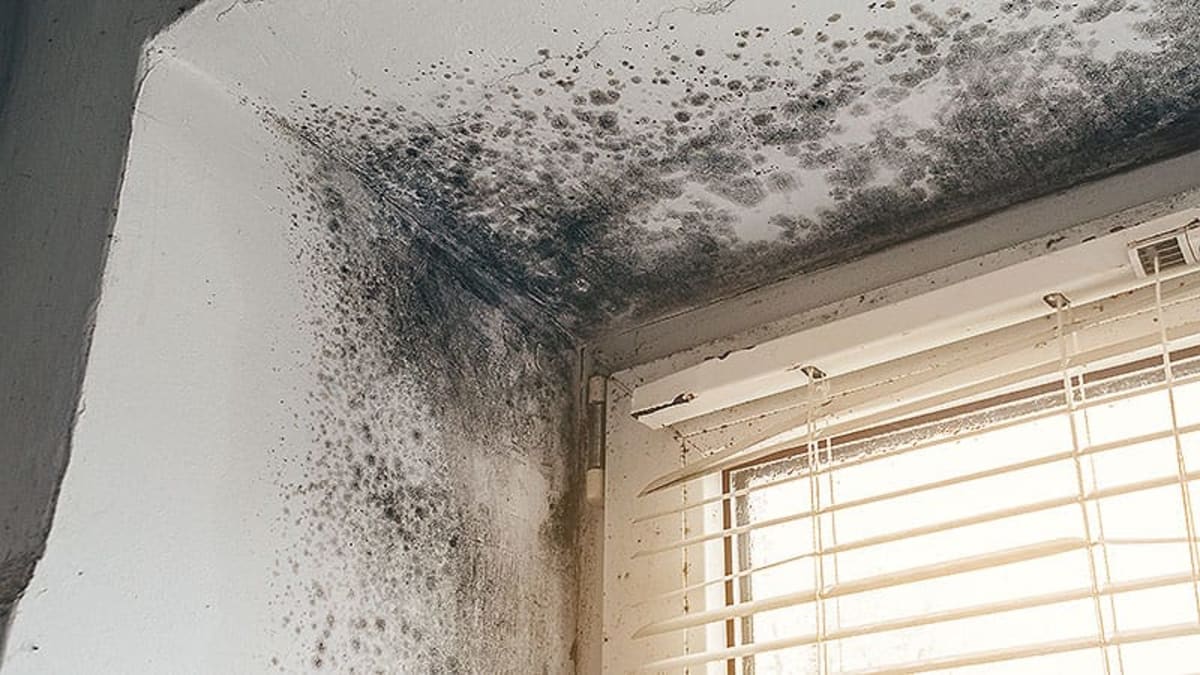
In the shadow of New York City’s aging infrastructure, where crumbling buildings and persistent dampness have long fueled respiratory crises, a targeted mold removal program is delivering measurable health benefits. The Mold Busters initiative, launched by the New York City Housing Authority in response to a 2013 class action lawsuit, has emerged as a blueprint for how proactive environmental health measures can reshape public health outcomes.
New research presented at the American Thoracic Society 2026 International Conference reveals that the program has reduced asthma related emergency department visits by nearly 2,800 annually, a reduction of approximately 30% in just three years. The findings underscore a critical but often overlooked truth: the places where people live can be as influential to their health as the care they receive.
What Happened
The Mold Busters program was designed to address a persistent and preventable public health crisis in New York City’s public housing. For decades, residents in aging buildings faced an invisible but pervasive threat: mold thriving in damp walls, leaky pipes, and poorly ventilated spaces. These conditions were not merely unsightly; they were directly linked to severe asthma attacks, hospitalizations, and missed days of school and work.
The program operates through a coordinated effort involving rapid response teams that inspect and remediate mold within 48 hours of a report. It also includes long-term maintenance to prevent recurrence, such as repairs to roofs and plumbing systems. Community education campaigns further empower residents to identify and mitigate mold growth in their homes. The result has been a dramatic decline in asthma-related emergencies, demonstrating the program’s effectiveness in addressing root causes rather than symptoms.
Why Public Health Officials Are Concerned
Asthma remains one of the most common chronic conditions in urban areas, particularly affecting low-income communities where substandard housing conditions are prevalent. The Mold Busters program highlights the disproportionate burden of environmental hazards on vulnerable populations. According to the Centers for Disease Control and Prevention (CDC), children living in moldy homes are significantly more likely to develop asthma, a condition that can lead to lifelong health complications and substantial healthcare costs.
Public health officials emphasize that the success of Mold Busters is not just a local triumph but a call to action for cities nationwide. As climate change increases humidity levels and the frequency of extreme weather events, the risk of mold proliferation in aging buildings is expected to rise. Without proactive interventions, communities could face a surge in respiratory illnesses, further straining already burdened healthcare systems.
Symptoms or Risk Factors
Mold exposure can trigger a range of respiratory symptoms, particularly in individuals with asthma or allergies. Common signs that mold may be affecting health include:
- Persistent coughing or wheezing
- Shortness of breath or chest tightness
- Frequent sinus infections or nasal congestion
- Skin irritation or rashes
- Worsening of existing asthma symptoms
For residents in public housing or older buildings, these symptoms may worsen during periods of high humidity or after water damage. The Mold Busters program’s success underscores the importance of addressing mold promptly to prevent long-term health complications.
Who May Be Affected
The burden of mold-related respiratory illness falls most heavily on children, older adults, and individuals with preexisting conditions such as asthma or compromised immune systems. In New York City, public housing residents—many of whom are low-income families—have historically lacked recourse to address mold in their homes. The Mold Busters program specifically targets these communities, where the intersection of poor housing conditions and limited access to healthcare creates a perfect storm for respiratory crises.
Beyond New York, cities like Chicago and Philadelphia, which face similar housing challenges, are beginning to adopt similar models. The program’s scalability suggests that other urban areas with aging infrastructure could benefit from similar interventions, particularly as climate change exacerbates environmental health risks.
Government or WHO Response
The Mold Busters program was initiated in response to a 2013 class-action lawsuit, which highlighted the systemic neglect of mold remediation in public housing. Since its launch, the program has received support from local health departments and housing authorities, as well as recognition from national public health organizations. The CDC and the World Health Organization (WHO) have both emphasized the importance of housing as a determinant of health, advocating for policies that prioritize safe and habitable living conditions.
In New York City, the program’s success has prompted discussions about expanding similar initiatives to other at-risk communities. Policymakers are increasingly recognizing that proactive environmental health interventions, such as mold remediation, can yield significant returns in both health outcomes and healthcare cost savings.
Prevention and Safety Guidance
While the Mold Busters program is a model for systemic change, individuals can take steps to protect their health in the meantime. If you or someone you know lives in public housing or an older building with persistent dampness or mold, consider the following actions:
- Report mold immediately. Contact your housing authority or landlord to document the issue with photos and written complaints. Prompt reporting can prevent the problem from worsening.
- Demand action. Mold remediation is not merely a cosmetic fix; it is a critical health intervention. Advocate for timely repairs and thorough remediation efforts.
- Advocate for policy change. Push for mandatory mold inspections and remediation programs in public housing. Community organizing can drive systemic improvements.
- Monitor respiratory symptoms. Wheezing, coughing, or shortness of breath could signal mold-related asthma. Seek medical attention if symptoms persist or worsen.
- Improve ventilation. Use exhaust fans in bathrooms and kitchens, and consider using dehumidifiers in damp areas to reduce moisture levels.
- Use protective measures. If mold is present, wear a mask when cleaning affected areas and ensure proper ventilation during remediation efforts.
What Readers Should Know
The Mold Busters program is more than a success story; it is a reminder that housing is healthcare. The program’s ability to slash asthma-related emergency visits by nearly 30% demonstrates the profound impact of environmental interventions on public health. As climate change continues to alter weather patterns and increase the risk of mold proliferation, cities must prioritize such programs to prevent a looming health crisis.
For residents, the lesson is clear: your home should not make you sick. If mold is present, take action to address it promptly. For policymakers, the Mold Busters model offers a blueprint for scalable, cost-effective interventions that can improve health outcomes and reduce healthcare costs. The program’s success is a testament to the power of targeted public health initiatives—and a call to action for communities nationwide.
Key Takeaways
- The Mold Busters program in New York City has reduced asthma related emergency visits by nearly 30% in public housing through targeted mold remediation.
- Mold exposure in damp or poorly ventilated buildings is a significant but often overlooked contributor to asthma and other respiratory conditions.
- Children, older adults, and individuals with preexisting conditions are most vulnerable to mold related health risks.
- Proactive interventions like mold remediation can yield substantial health and economic benefits, particularly in low income communities.
- As climate change increases humidity and flooding risks, cities must prioritize environmental health programs to prevent a surge in respiratory illnesses.
Frequently Asked Questions
How does mold in homes contribute to asthma attacks?
Mold releases spores and mycotoxins that can irritate the respiratory system, triggering inflammation and asthma symptoms. In individuals with asthma, exposure to mold can lead to severe attacks, characterized by wheezing, coughing, and shortness of breath. The CDC and other health organizations have documented a strong link between mold exposure and the development or worsening of asthma, particularly in children.
What are the first steps to take if I suspect mold in my home?
Document the issue with photos and written complaints to your landlord or housing authority. Request a professional inspection and remediation if mold is confirmed. In the meantime, improve ventilation in damp areas and use dehumidifiers to reduce moisture levels. Avoid disturbing moldy areas, as this can release spores into the air.
Can mold related asthma be reversed with remediation?
While remediation can significantly reduce symptoms and prevent further deterioration, it may not reverse existing asthma. However, eliminating mold exposure can improve respiratory health and reduce the frequency and severity of asthma attacks. Early intervention is key to preventing long term complications.
Are there government programs to help with mold remediation in public housing?
In New York City, the Mold Busters program is one such initiative. Other cities may have similar programs or resources through local health departments or housing authorities. Residents can also contact their local CDC or EPA offices for guidance on mold remediation and prevention.
How can communities advocate for mold remediation programs?
Community organizing is a powerful tool for driving systemic change. Residents can form advocacy groups to push for mandatory mold inspections and remediation in public housing. Partnering with local health departments, housing authorities, and elected officials can amplify efforts to secure funding and policy changes.
Medical Review: MedSense Editorial Board







DISCUSSION (0)
POST A COMMENT