What Happened
Medicare has not responded to repeated inquiries about the financial impact of covering GLP 1 obesity medications for seniors, despite growing pressure from lawmakers and patient advocacy groups. The agency’s silence contrasts with the aggressive legal action taken by Massachusetts, which recently filed a lawsuit against UnitedHealthcare for allegedly denying coverage of these drugs without valid medical justification.
The lawsuit, filed in state court, claims UnitedHealthcare violated consumer protection laws by imposing arbitrary restrictions on GLP 1 prescriptions, forcing patients to pay out of pocket or abandon treatment altogether. The case highlights a broader pattern of insurers pushing back against the rising costs of obesity and diabetes medications, even as clinical evidence supports their effectiveness.
Why Public Health Officials Are Concerned
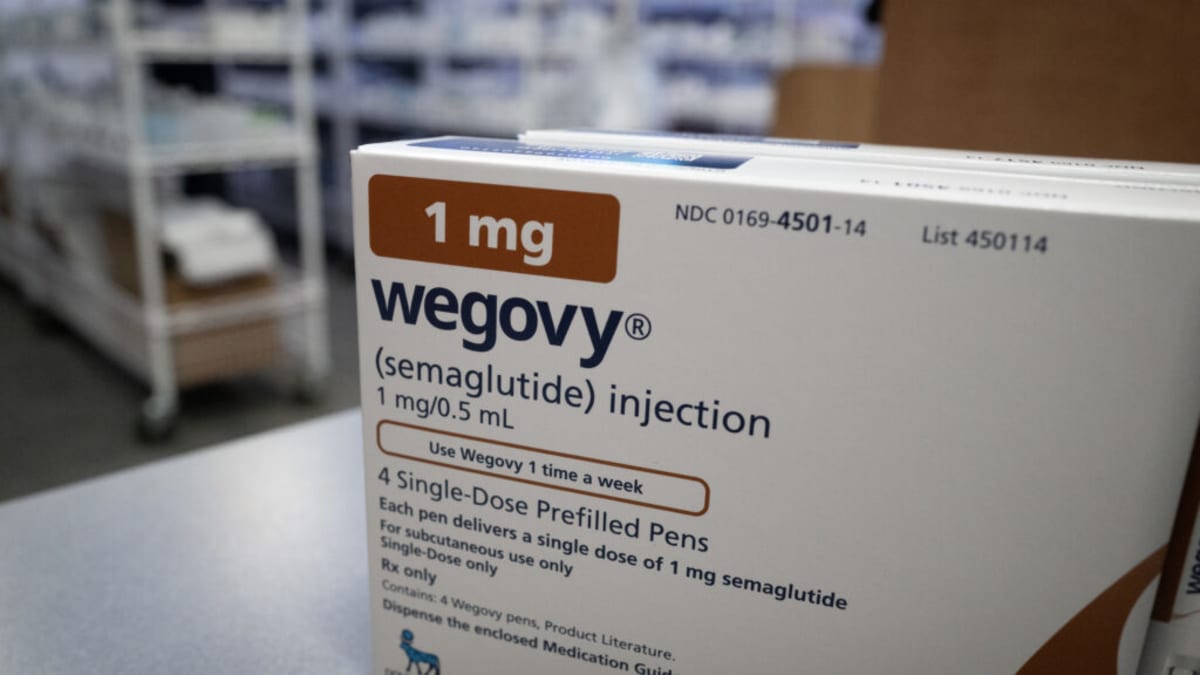
GLP 1 drugs like semaglutide (Wegovy) and tirzepatide (Zepbound) have transformed obesity treatment, offering sustained weight loss for many patients. However, their high cost, ranging from $1,000 to $1,500 per month, threatens to strain Medicare’s budget if coverage expands. The Congressional Budget Office estimates that even modest uptake of these drugs could cost Medicare tens of billions annually, a projection that has fueled hesitation among federal officials.
Beyond financial concerns, public health experts worry about equity. Without clear coverage guidelines, access to GLP 1 drugs may become a privilege reserved for those with private insurance or the means to pay out of pocket. This disparity could exacerbate existing health inequities, particularly for low income seniors who stand to benefit the most from obesity treatment.
Who May Be Affected
The standoff over GLP 1 coverage impacts multiple groups:
- Medicare beneficiaries: Seniors with obesity or diabetes who could benefit from these drugs but face uncertainty about future coverage.
- Taxpayers: The broader public, as Medicare’s budget is funded through payroll taxes and federal revenue.
- Clinicians: Doctors who must navigate insurance denials and prior authorization hurdles when prescribing GLP 1 drugs.
- Insurers: Private and public payers grappling with how to manage the financial burden of these high cost therapies.
Government Response
While Medicare has not publicly addressed the cost questions, the Centers for Medicare and Medicaid Services (CMS) has previously stated that it is evaluating the clinical and economic implications of covering GLP 1 drugs for obesity. In the meantime, states like Massachusetts are taking matters into their own hands, using legal action to challenge insurers’ coverage denials.
The Massachusetts lawsuit could set a precedent for other states, potentially forcing insurers to adopt more transparent and consistent policies. However, without federal guidance, the patchwork of state level regulations may create further confusion for patients and providers.
Prevention and Safety Guidance
For patients currently prescribed GLP 1 drugs, experts recommend the following steps to navigate coverage challenges:
- Appeal denials: Patients should work with their doctors to file appeals if their insurer denies coverage. Many denials are overturned on review, especially when supported by strong clinical evidence.
- Explore patient assistance programs: Manufacturers like Novo Nordisk and Eli Lilly offer savings cards and copay assistance for eligible patients, which can reduce out of pocket costs.
- Document medical necessity: Clinicians should thoroughly document the patient’s obesity related health risks (e.g., diabetes, cardiovascular disease) to strengthen coverage appeals.
- Stay informed: Patients and providers should monitor updates from Medicare and state insurance regulators, as coverage policies may evolve rapidly.
What Readers Should Know
The debate over GLP 1 coverage is far from over. Medicare’s eventual decision could reshape obesity treatment in the U.S., either by expanding access to these life changing drugs or by reinforcing barriers for those who need them most. In the meantime, patients and clinicians must advocate for fair coverage policies while preparing for potential out of pocket costs.
For now, the silence from Medicare speaks volumes. Until federal officials provide clarity, the burden of navigating this complex landscape will continue to fall on patients, providers, and state governments.
Key Takeaways
- Medicare has not disclosed the potential financial impact of covering GLP 1 obesity drugs, leaving patients and policymakers in limbo.
- Massachusetts is suing UnitedHealthcare for allegedly denying coverage of GLP 1 drugs without valid medical justification, highlighting broader insurance resistance.
- The high cost of GLP 1 drugs, up to $1,500 per month, poses significant challenges for Medicare’s budget and could worsen health inequities if coverage remains limited.
- Patients can appeal insurance denials, explore manufacturer assistance programs, and work with clinicians to document medical necessity for better coverage outcomes.
Frequently Asked Questions
Why is Medicare not commenting on GLP 1 coverage?
Medicare officials have not publicly explained their silence, but the agency is likely evaluating the clinical and financial implications of covering these high cost drugs. The Congressional Budget Office has projected that even modest uptake could cost Medicare tens of billions annually, which may be contributing to the hesitation.
What is Massachusetts suing UnitedHealthcare over?
Massachusetts alleges that UnitedHealthcare violated consumer protection laws by denying coverage for GLP 1 obesity drugs without valid medical justification. The lawsuit claims the insurer imposed arbitrary restrictions, forcing patients to pay out of pocket or abandon treatment.
How much do GLP 1 drugs like Wegovy and Zepbound cost?
GLP 1 drugs typically cost between $1,000 and $1,500 per month without insurance coverage. Even with insurance, patients may face high copays or prior authorization requirements.
What can patients do if their insurer denies coverage for a GLP 1 drug?
Patients should work with their doctors to file an appeal, as many denials are overturned upon review. They can also explore manufacturer savings programs, document medical necessity, and stay informed about evolving coverage policies.
Could Medicare eventually cover GLP 1 drugs for obesity?
It’s possible, but not guaranteed. Medicare is currently evaluating the evidence, and any decision will depend on clinical data, cost projections, and political pressure. If coverage expands, it may come with strict eligibility criteria.
Medical Review: MedSense Editorial Board
























DISCUSSION (0)
POST A COMMENT