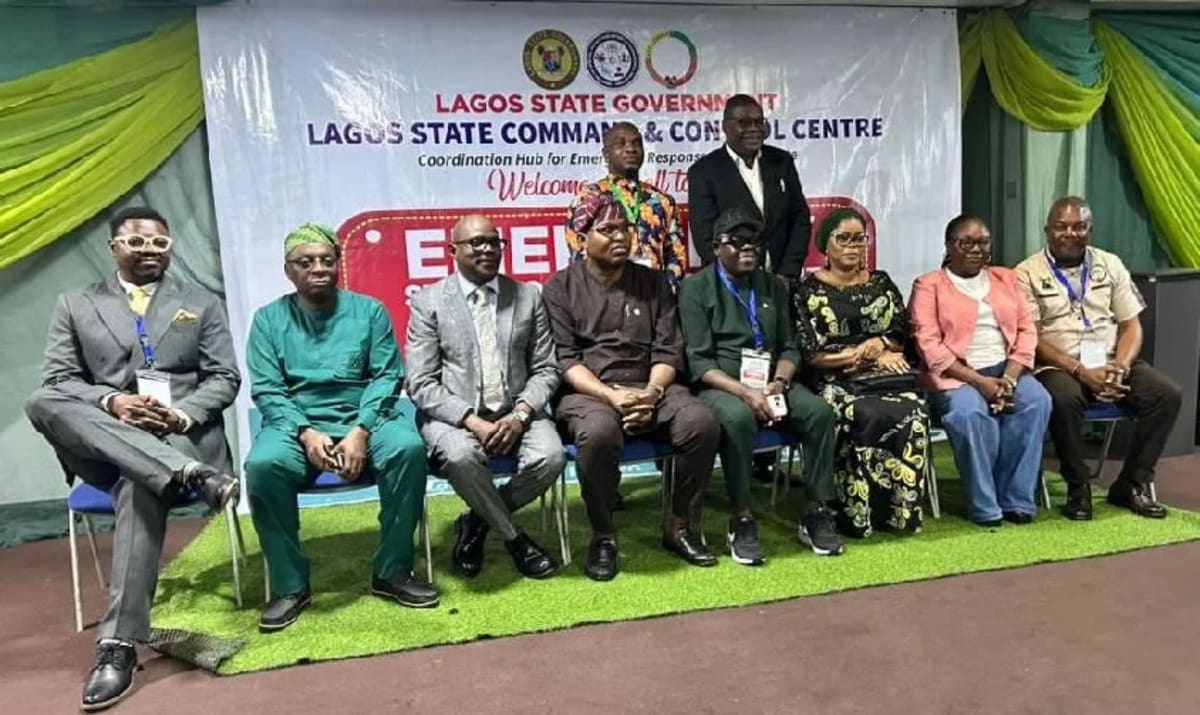
Lagos, Nigeria’s bustling commercial hub, has taken a major step toward modernizing its emergency response infrastructure with the launch of a new digital platform designed to cut critical delays in rescue operations. The Lagos Emergency Responder Management System, unveiled during a high level stakeholders’ engagement, aims to bridge gaps in coordination among first responders, enabling faster incident reporting, smarter deployment of resources, and real time tracking of emergencies across the state. With a population exceeding 20 million and a rising burden of road accidents, medical emergencies, and urban disasters, the initiative arrives at a time when rapid response can mean the difference between life and death for thousands of residents daily.
What Happened
Lagos State Government has rolled out the Lagos Emergency Responder Management System, a technology driven platform intended to overhaul how emergency agencies coordinate during crises. The system integrates incident reporting, responder dispatch, and live monitoring into a single digital interface, allowing fire, police, ambulance, and disaster management teams to operate with greater efficiency. The launch included a technical training session for stakeholders, signaling a shift from traditional, fragmented response methods to a unified, data driven approach.
Why Public Health Officials Are Concerned
Emergency response delays in densely populated urban centers like Lagos pose significant public health risks. Traffic congestion, poor communication between agencies, and limited real time data often result in delayed medical interventions, increased fatalities, and prolonged suffering for victims. The World Health Organization estimates that timely emergency care could prevent up to 54% of deaths in low and middle income countries. By digitizing coordination, Lagos aims to address systemic inefficiencies that have long hindered rescue operations, particularly in high risk areas such as accident prone highways and flood vulnerable communities.
Who May Be Affected
The system is expected to benefit a wide range of residents, including:
- Victims of road traffic accidents, which account for a significant portion of emergency calls in Lagos.
- Patients requiring urgent medical attention, such as those experiencing cardiac arrests or complications from chronic diseases.
- Residents in flood prone or disaster susceptible areas, where rapid evacuation and relief efforts are critical.
- First responders, including paramedics, firefighters, and law enforcement, who will now operate with better situational awareness and reduced operational friction.
Government Response and Implementation
The Lagos State Government, through its Ministry of Health and Emergency Management Agency, has prioritized the LERMS platform as part of a broader strategy to enhance urban resilience. The system was developed in collaboration with local tech partners and emergency service providers, ensuring it aligns with the city’s unique challenges. Training sessions for responders and dispatchers are currently underway, with plans to expand access to the platform across all local government areas in the coming months.
Prevention and Safety Guidance
While the new system promises to improve response times, residents can take proactive steps to stay safe:
- Save emergency contacts: Program the Lagos State Emergency numbers into your phone for quick access during crises.
- Learn basic first aid: Community training programs can equip individuals with life saving skills for situations where professional help is delayed.
- Report hazards promptly: Notify authorities about blocked roads, faulty traffic lights, or other infrastructure issues that could impede emergency access.
- Stay informed: Follow official Lagos State emergency channels for updates on system rollout and safety advisories.
What Readers Should Know
The Lagos Emergency Responder Management System represents a critical upgrade in the city’s ability to handle emergencies, but its success will depend on seamless integration across agencies and sustained public engagement. Residents should view this as a complementary tool, not a replacement, for personal preparedness. As the system scales, transparency in its performance metrics, such as average response times and incident resolution rates, will be key to building public trust. For now, the initiative marks a promising shift toward smarter, more responsive urban emergency care in one of Africa’s most dynamic cities.
Key Takeaways
- Lagos State has launched a digital platform to streamline emergency response coordination, reducing delays in rescue operations.
- The system integrates incident reporting, responder dispatch, and real time monitoring to improve efficiency across fire, police, and medical teams.
- Timely emergency care could prevent over half of preventable deaths in low and middle income countries, highlighting the urgency of this initiative.
- Residents in high risk areas, such as accident prone roads and flood zones, stand to benefit the most from faster response times.
- Public preparedness, including saving emergency contacts and learning first aid, remains essential alongside technological advancements.
Frequently Asked Questions
How does the Lagos Emergency Responder Management System work?
The system consolidates emergency reporting, responder deployment, and real time tracking into a single digital platform. When an incident is reported, the system automatically alerts the nearest and most appropriate response teams, while providing live updates on their location and status. This reduces miscommunication and speeds up intervention.
Will the system cover all areas of Lagos immediately?
The platform is being rolled out in phases, with initial training and implementation focused on high priority zones. The Lagos State Government plans to expand coverage to all local government areas over the coming months, with ongoing assessments to ensure effectiveness.
What types of emergencies will the system address?
The system is designed to handle a wide range of emergencies, including road traffic accidents, medical crises, fires, natural disasters, and public safety incidents. It aims to improve coordination across all major emergency response agencies in the state.
How can residents contribute to the success of this initiative?
Residents can support the system by saving official emergency contact numbers, reporting hazards promptly, and participating in community safety programs. Public cooperation with responders and adherence to safety guidelines will also enhance the system’s impact.
Medical Review: MedSense Editorial Board









DISCUSSION (0)
POST A COMMENT