What Happened
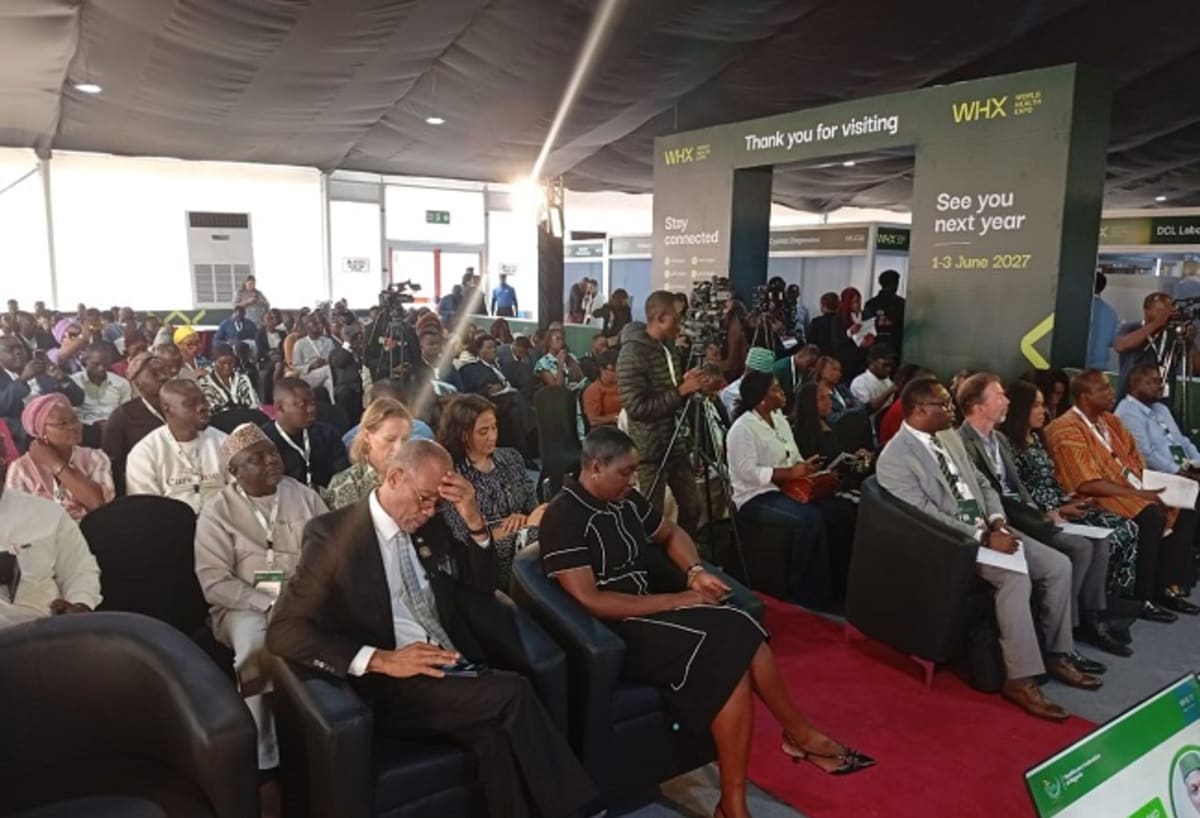
The World Health Expo 2026 officially opened in Lagos this week, marking one of the largest gatherings of health professionals, policymakers, and innovators in West Africa this year. The event, which runs through the weekend, features panel discussions, product exhibitions, and high level meetings focused on transforming healthcare delivery through policy, technology, and local manufacturing.
Professor Akin Abayomi, Lagos State Commissioner for Health, was among the first senior officials to arrive, underscoring the state’s role as a hub for medical innovation in Nigeria. His presence highlights the government’s commitment to leveraging the expo as a platform for actionable policy discussions, particularly around health equity, digital health, and pandemic preparedness.
Why Public Health Officials Are Concerned
The timing of the expo is critical. Africa’s healthcare systems face persistent challenges: underfunded facilities, brain drain of medical professionals, and overreliance on imported medical supplies. The COVID 19 pandemic exposed these vulnerabilities, revealing gaps in local production of vaccines, diagnostics, and essential medicines. Public health leaders at the expo are stressing that without policy reforms, these systemic weaknesses will persist, leaving millions without access to quality care.
One of the central themes is the need for regulatory frameworks that encourage innovation while ensuring safety and affordability. Many African countries lack streamlined approval processes for new medical technologies, which can delay life saving treatments reaching patients. The expo is serving as a forum to share best practices and advocate for harmonized policies across the continent.
Who May Be Affected
The outcomes of the World Health Expo could have far reaching implications. Patients across Africa stand to benefit if reforms lead to improved access to medicines, better equipped hospitals, and more robust disease surveillance systems. Healthcare workers, particularly in underserved areas, may see better training opportunities and working conditions if policy changes prioritize workforce development.
Local entrepreneurs and pharmaceutical manufacturers are also watching closely. Many small and medium sized enterprises in the health sector struggle to scale due to limited funding and regulatory hurdles. The expo is showcasing success stories of African companies producing medical devices, vaccines, and digital health tools, offering a blueprint for others to follow.
Government and Global Response
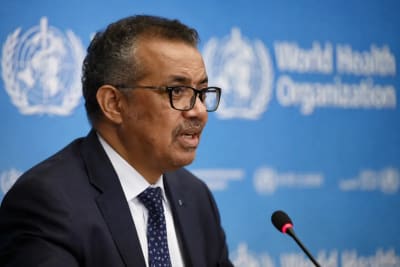
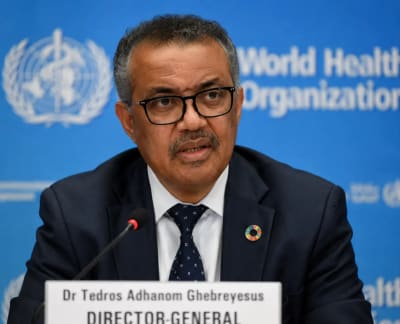
While the Lagos State government has taken a leading role, the expo has attracted participation from international organizations, including the World Health Organization and the Africa Centres for Disease Control and Prevention. These bodies are expected to announce new partnerships aimed at strengthening health systems, particularly in areas like disease surveillance, emergency response, and supply chain resilience.
One anticipated outcome is the launch of a regional task force to accelerate the adoption of digital health technologies. With mobile phone penetration in Africa exceeding 80%, digital tools such as telemedicine, electronic health records, and AI driven diagnostics have the potential to bridge gaps in care. However, their success depends on supportive policies, including data privacy laws and infrastructure investments.
Prevention and Safety Guidance
For policymakers and health professionals attending the expo, the message is clear: innovation must be matched with equity. Key recommendations emerging from the discussions include:
- Investing in local manufacturing of essential medicines and medical supplies to reduce dependency on imports.
- Strengthening health financing mechanisms, including public private partnerships and insurance schemes, to improve access to care.
- Prioritizing workforce development through training programs and incentives to retain medical professionals.
- Enhancing disease surveillance systems to detect and respond to outbreaks more quickly.
- Promoting digital health solutions while ensuring they are accessible to rural and low income populations.
What Readers Should Know
The World Health Expo 2026 is more than a conference; it is a call to action. The reforms being discussed have the potential to reshape healthcare in Africa, but their success depends on sustained political will, funding, and collaboration. For those outside the health sector, the expo serves as a reminder that health is not just a medical issue but a societal one. Stronger health systems contribute to economic growth, education, and social stability.
As the event continues, stakeholders will be watching for concrete commitments from governments and international partners. The real test will be whether the discussions translate into action, ensuring that the innovations showcased at the expo reach the people who need them most.
Key Takeaways
- The World Health Expo 2026 in Lagos is a major platform for driving healthcare reform in Africa, focusing on policy, innovation, and equity.
- Africa’s healthcare systems face critical challenges, including underfunding, brain drain, and reliance on imported medical supplies, which policy reforms could address.
- Key themes include local manufacturing of medicines, digital health adoption, workforce development, and disease surveillance.
- The expo highlights the need for regulatory reforms to support innovation while ensuring safety and affordability for patients.
- Outcomes from the event could lead to new partnerships and initiatives aimed at strengthening health systems across the continent.
Frequently Asked Questions
What is the World Health Expo 2026?
The World Health Expo 2026 is a global health conference held in Lagos, Nigeria, bringing together policymakers, healthcare professionals, and innovators to discuss reforms and advancements in healthcare delivery, particularly in Africa.
Why is this expo significant for Africa’s healthcare?
The expo is significant because it addresses systemic challenges in Africa’s healthcare, such as underfunding, brain drain, and reliance on imported medical supplies. It provides a platform to advocate for policy reforms that could improve access to quality care and drive innovation.
What are the main policy reforms being discussed?
Key reforms include investing in local manufacturing of medicines, strengthening health financing, prioritizing workforce development, enhancing disease surveillance, and promoting digital health solutions with a focus on equity and accessibility.
How could the expo impact patients and healthcare workers?
Patients could benefit from improved access to medicines, better equipped hospitals, and more robust disease surveillance. Healthcare workers may see better training opportunities and working conditions if reforms prioritize workforce development and retention.
What role are international organizations playing at the expo?
International organizations like the World Health Organization and Africa Centres for Disease Control and Prevention are participating in the expo, expected to announce new partnerships aimed at strengthening health systems, particularly in disease surveillance and emergency response.
Medical Review: MedSense Editorial Board













DISCUSSION (0)
POST A COMMENT