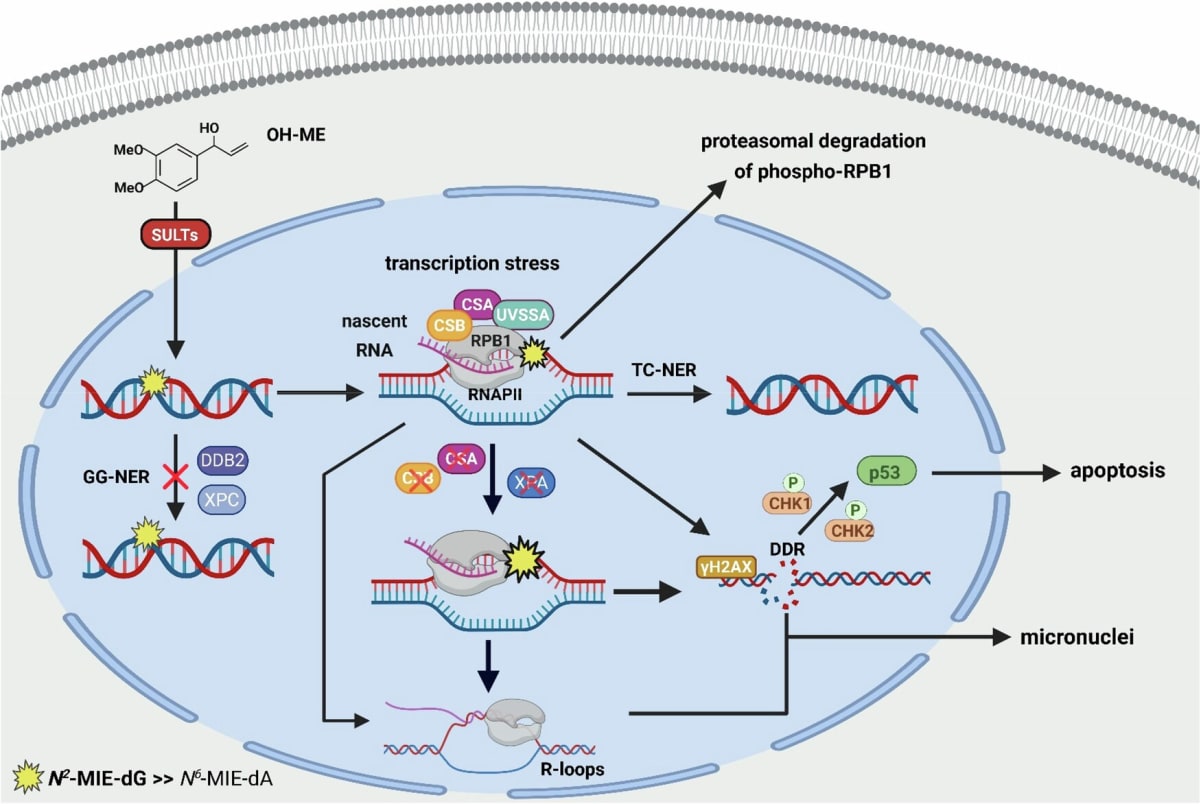
A naturally occurring compound found in everyday herbs like basil and fennel may be silently damaging DNA in human liver cells, according to new research. Methyleugenol, a component of essential oils in several common spices, can be metabolized by the liver into a reactive form that chemically alters DNA. While the compound has long been flagged for potential carcinogenic effects, scientists have only now uncovered critical gaps in how, or even if, human cells repair this specific type of genetic damage. The findings raise fresh concerns about long term exposure, particularly for individuals with pre existing liver conditions or high dietary intake of these herbs.
What Happened
Researchers at RPTU University Kaiserslautern Landau have identified a concerning mechanism by which methyleugenol, a compound present in basil, fennel, tarragon, and nutmeg, may contribute to DNA damage in human liver tissue. When ingested, methyleugenol is metabolized by the liver into a reactive form that binds to DNA, creating what scientists call "DNA adducts." These chemical alterations have been detected in human liver samples, yet until now, it remained unclear whether the body could effectively repair this type of damage.
Why Public Health Officials Are Concerned
Methyleugenol has been classified as a potential carcinogen by regulatory agencies, including the European Food Safety Authority and the U.S. National Toxicology Program. However, its presence in widely consumed herbs and spices complicates risk assessment. The new findings suggest that repeated exposure, even at low levels, could accumulate over time, particularly in individuals with compromised liver function or those who frequently use essential oils or herbal supplements containing the compound. While occasional dietary intake is unlikely to pose an immediate threat, the lack of clarity on DNA repair mechanisms leaves open questions about long term safety.
Who May Be Affected
The risk appears highest for individuals with regular exposure to methyleugenol through multiple sources. This includes:
- People who consume large quantities of fresh or dried basil, fennel, tarragon, or nutmeg.
- Those who use essential oils derived from these herbs, either in aromatherapy or as flavoring agents.
- Individuals with pre existing liver conditions, such as fatty liver disease or hepatitis, who may have reduced capacity to metabolize or repair DNA damage.
- Frequent users of herbal supplements or natural remedies containing methyleugenol rich extracts.
Prevention and Safety Guidance
While the research does not call for outright avoidance of these herbs, experts recommend moderation and awareness. Here’s what readers can do to minimize potential risks:
- Diversify dietary intake: Rotate herbs and spices to limit prolonged exposure to any single compound.
- Exercise caution with essential oils: Avoid ingesting essential oils, as they contain concentrated forms of methyleugenol. Use them only as directed for aromatherapy, ensuring proper dilution and ventilation.
- Monitor liver health: Individuals with liver conditions should discuss dietary habits with their healthcare provider, particularly if they consume large amounts of herbs or supplements.
- Stay informed on supplements: Check labels for methyleugenol or related compounds in herbal products, and opt for standardized extracts with transparent ingredient lists.
What Readers Should Know
This research underscores the complexity of assessing natural compounds in food and their potential health impacts. While methyleugenol is not a new discovery, the uncertainty around DNA repair mechanisms highlights the need for further study. For now, the findings serve as a reminder that even familiar, plant based ingredients can carry hidden risks, particularly when consumed in excess or in concentrated forms. Public health agencies have yet to issue specific guidelines on methyleugenol intake, but the study adds to a growing body of evidence suggesting that moderation is key when it comes to dietary and supplemental exposures.
Key Takeaways
- Methyleugenol, found in basil, fennel, tarragon, and nutmeg, can form DNA damaging adducts in liver cells after ingestion.
- While the compound is classified as a potential carcinogen, it remains unclear whether human cells can effectively repair this type of DNA damage.
- Individuals with high dietary intake of these herbs, liver conditions, or frequent use of essential oils may face greater long term risks.
- Experts recommend moderation, diversification of herbs and spices, and caution with concentrated forms like essential oils.
Frequently Asked Questions
Is it safe to eat basil or fennel?
Occasional consumption of these herbs is unlikely to pose a significant risk. However, frequent or excessive intake, particularly in concentrated forms like essential oils, may increase exposure to methyleugenol and its potential DNA damaging effects. Moderation is advised.
How does methyleugenol cause DNA damage?
When ingested, methyleugenol is metabolized by the liver into a reactive form that can chemically bind to DNA, creating adducts. These alterations can disrupt normal cellular function and, if unrepaired, may contribute to long term health risks.
Are there safer alternatives to these herbs?
Many herbs and spices do not contain methyleugenol. For example, oregano, thyme, rosemary, and parsley are safe alternatives that can be used to diversify flavor profiles while reducing potential exposure.
Should I avoid essential oils containing methyleugenol?
Essential oils are highly concentrated and should not be ingested. If using them for aromatherapy, ensure proper dilution and ventilation. Individuals with liver conditions or high dietary intake of methyleugenol containing herbs may wish to avoid these oils altogether.
Medical Review: MedSense Editorial Board
























DISCUSSION (0)
POST A COMMENT