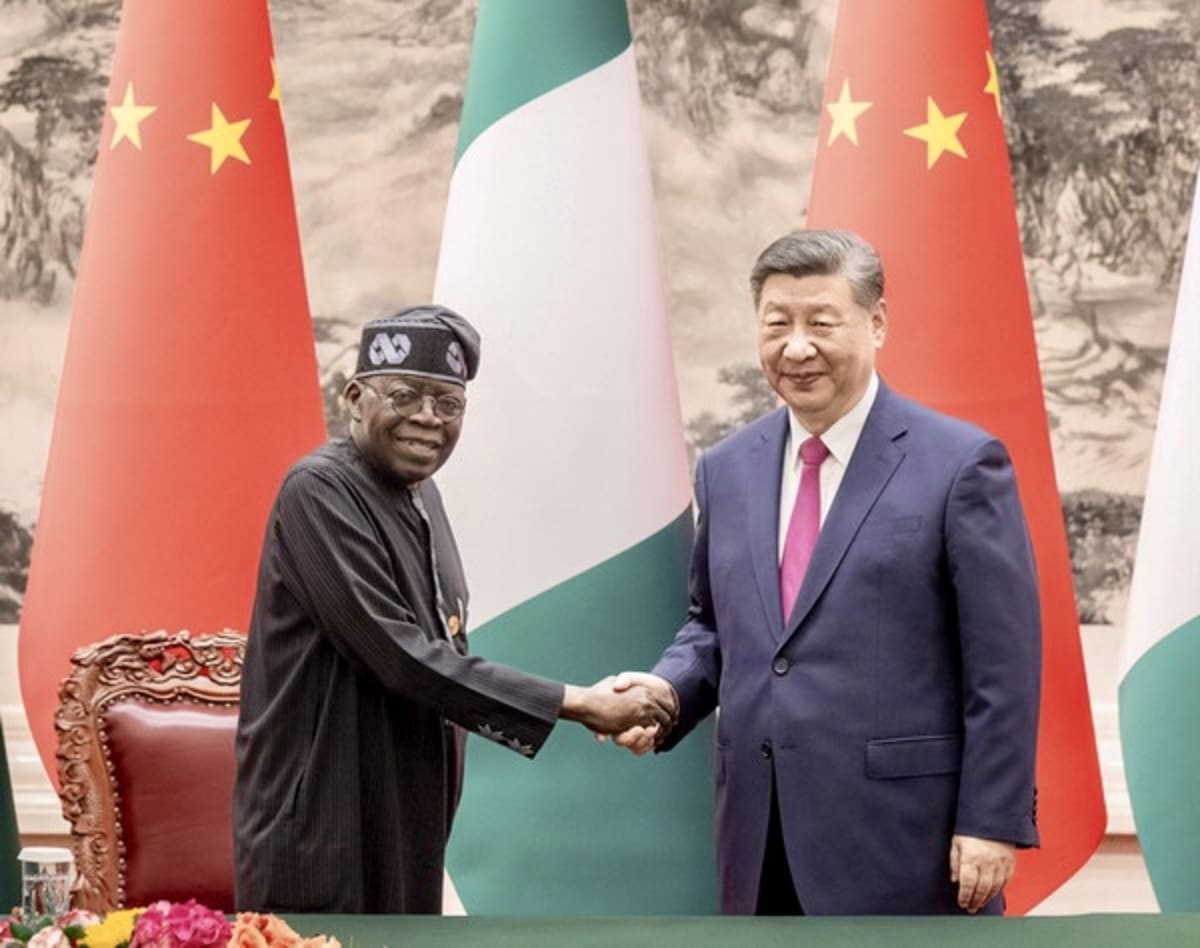
China and Nigeria have deepened their strategic partnership, leveraging the One China Principle to expand medical and economic collaborations that are transforming healthcare delivery across Africa. High level discussions in Abuja focused on reinforcing bilateral ties while addressing critical gaps in Nigeria’s public health system through joint investments in infrastructure, pharmaceutical production, and disease surveillance.
The engagement underscores China’s growing role as a key player in global health diplomacy, particularly in the Global South, where it is positioning itself as a provider of medical expertise, funding, and technological solutions. For Nigeria, these developments offer a pathway to strengthen its overburdened healthcare system, but they also introduce questions about long term sustainability and geopolitical dependencies.
What Happened
During a high level diplomatic meeting in Abuja, Chinese officials, diplomats, and health experts convened with Nigerian counterparts to reinforce collaboration under the One China Principle. The discussions extended beyond geopolitical alignment to include concrete initiatives in healthcare infrastructure, pharmaceutical research, and public health response systems.
Key outcomes included agreements to expand hospital construction, localize drug manufacturing, and deploy medical teams to combat infectious diseases such as Lassa fever and malaria. The talks also highlighted joint research projects in biotechnology and traditional medicine, aimed at addressing endemic health challenges in Nigeria and across Africa.
Why Public Health Officials Are Concerned
While the partnerships offer tangible benefits, public health analysts warn that overreliance on foreign aid and investments could create vulnerabilities in Nigeria’s healthcare autonomy. The integration of health diplomacy with geopolitical alliances raises concerns about the potential for economic dependencies or conditional funding that may not align with Nigeria’s long term public health priorities.
Critics also point to the lack of transparency in some agreements, which could obscure the true costs or obligations tied to Chinese investments. Public health officials emphasize the need for Nigeria to balance these partnerships with domestic capacity building to ensure sustainable improvements in healthcare access and quality.
Symptoms or Risk Factors
For Nigeria, the primary risk factors associated with these partnerships include:
- Overdependence on imported medical technologies and pharmaceuticals, which could strain foreign exchange reserves.
- Potential limitations on Nigeria’s ability to set independent health policies due to funding conditions tied to diplomatic alliances.
- Uneven distribution of healthcare benefits, with investments concentrated in urban centers rather than rural or underserved regions.
Who May Be Affected
The collaborations directly impact:
- Nigerian healthcare professionals, who are receiving training and technology transfers through Chinese partnerships.
- Local pharmaceutical manufacturers, which are gaining access to capital and expertise to scale up production of essential medicines.
- Patients in underserved communities, who may benefit from expanded healthcare services but could also face barriers if services are tied to political or economic conditions.
- Nigerian policymakers, who must navigate the trade offs between immediate gains in healthcare infrastructure and long term sovereignty in health decision making.
Government or WHO Response
The Nigerian government has welcomed the partnerships, framing them as critical to achieving universal health coverage and reducing reliance on imported pharmaceuticals. The Federal Ministry of Health has highlighted the role of Chinese investments in strengthening disease surveillance systems and expanding access to vaccines.
The World Health Organization has acknowledged the potential of such collaborations to address health disparities in Africa, but has also called for greater transparency and alignment with global health priorities. WHO officials have urged African nations to ensure that foreign partnerships prioritize local ownership and sustainability.
Prevention and Safety Guidance
For African nations considering similar partnerships, experts recommend:
- Conducting independent assessments of the long term costs and benefits of foreign investments in healthcare.
- Ensuring that agreements include provisions for technology transfer and local capacity building to prevent dependency.
- Establishing clear metrics for measuring the impact of collaborations on public health outcomes, particularly in underserved communities.
- Engaging civil society and health advocacy groups to monitor the implementation of agreements and hold governments accountable for equitable outcomes.
What Readers Should Know
China’s expanding role in African healthcare is part of a broader strategy to position itself as a leader in global health diplomacy. For Nigeria, these partnerships offer immediate benefits such as improved infrastructure and access to medicines, but they also require careful management to avoid creating new dependencies.
Readers should be aware that while these collaborations can drive progress, they are not without risks. The sustainability of such initiatives depends on Nigeria’s ability to leverage foreign investments while maintaining control over its health policies and priorities. Transparency, local ownership, and alignment with public health goals will be critical to ensuring that these partnerships deliver lasting benefits.
Key Takeaways
- China’s health diplomacy with Nigeria under the One China Principle is expanding through infrastructure investments, pharmaceutical collaborations, and public health initiatives.
- While these partnerships offer tangible benefits such as improved healthcare access and localized drug production, they also raise concerns about long term sustainability and geopolitical dependencies.
- Public health officials emphasize the need for transparency, local capacity building, and alignment with national health priorities to ensure sustainable outcomes.
- The World Health Organization has called for African nations to prioritize partnerships that promote local ownership and equitable health outcomes.
Frequently Asked Questions
What is the One China Principle, and how does it relate to health partnerships?
The One China Principle asserts that Taiwan is an inalienable part of China. For African nations like Nigeria, aligning with this principle often results in enhanced access to Chinese medical aid, funding, and expertise, including grants, low interest loans, and technology transfers in healthcare.
How are Chinese investments in Nigeria’s healthcare system structured?
Investments typically include funding for hospital construction, pharmaceutical production facilities, medical training programs, and disease surveillance systems. These projects often come with technology transfers and capacity building initiatives for local healthcare professionals.
What are the potential risks of Nigeria’s reliance on Chinese healthcare partnerships?
Risks include overdependence on imported technologies and pharmaceuticals, limitations on Nigeria’s ability to set independent health policies due to funding conditions, and uneven distribution of healthcare benefits favoring urban centers over rural areas.
How is the World Health Organization responding to these partnerships?
The WHO has acknowledged the potential of such collaborations to address health disparities in Africa but has called for greater transparency and alignment with global health priorities. The organization urges African nations to ensure partnerships prioritize local ownership and sustainability.
What should African nations consider before entering similar health partnerships with China?
Nations should conduct independent assessments of long term costs and benefits, ensure agreements include provisions for technology transfer and local capacity building, establish clear metrics for measuring impact, and engage civil society to monitor implementation and ensure equitable outcomes.
Medical Review: MedSense Editorial Board








DISCUSSION (0)
POST A COMMENT