What Happened
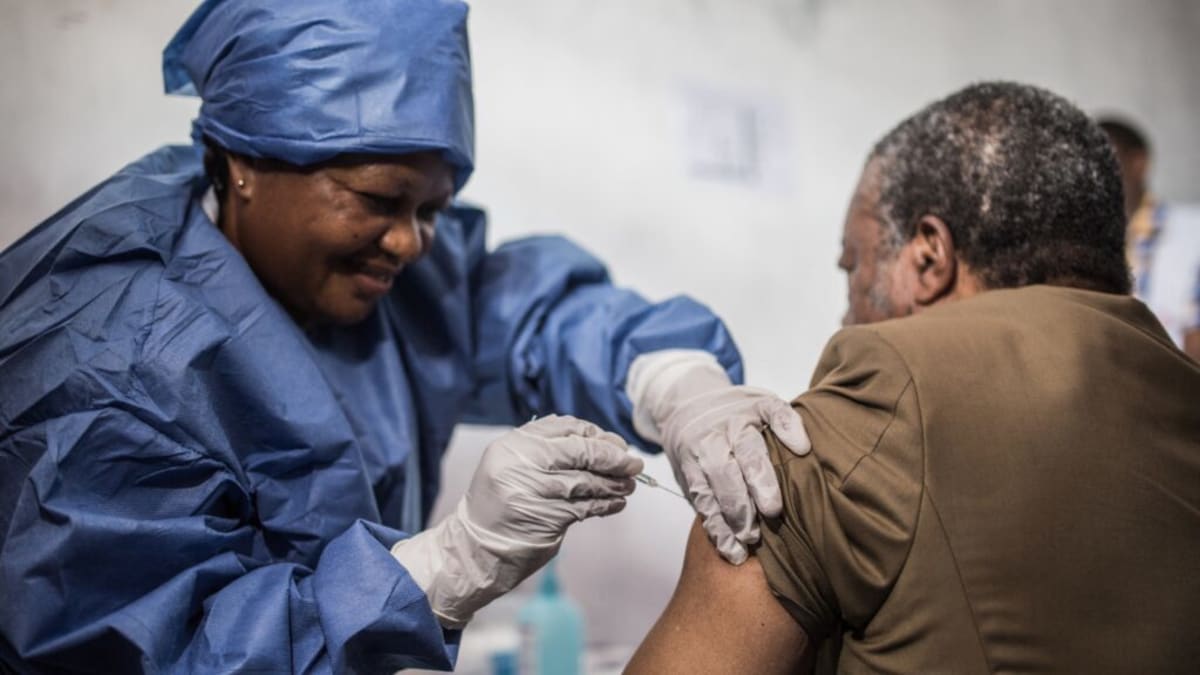
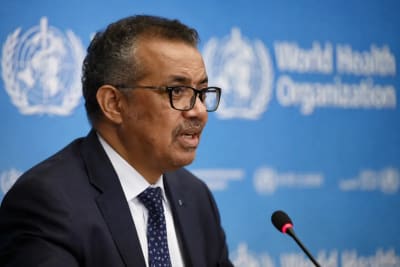
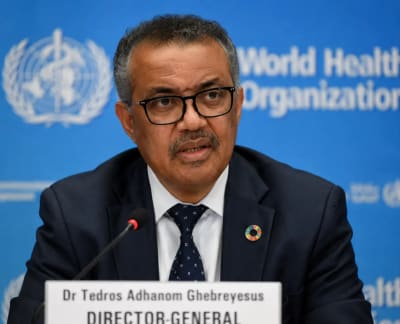
A coalition of international health agencies, governments, and private partners has allocated $62 million to accelerate the development and deployment of three Ebola vaccine candidates. The funding will support clinical trials, manufacturing scale up, and regulatory review processes to ensure rapid availability in the Democratic Republic of Congo, where the outbreak has already claimed dozens of lives. The initiative is being led by the World Health Organization, Gavi the Vaccine Alliance, and the Coalition for Epidemic Preparedness Innovations, among others.
Why Public Health Officials Are Concerned
Ebola outbreaks pose a unique challenge due to the virus’s high fatality rate and potential for rapid transmission in densely populated or resource limited settings. The current strain in Congo has demonstrated a case fatality rate of approximately 60%, with healthcare workers and communities in remote areas at heightened risk. Unlike previous outbreaks, this one has emerged in a region with ongoing conflict, complicating surveillance and response efforts. The lack of licensed vaccines for this specific strain leaves populations vulnerable, making the accelerated development of candidates a critical priority.
Who May Be Affected
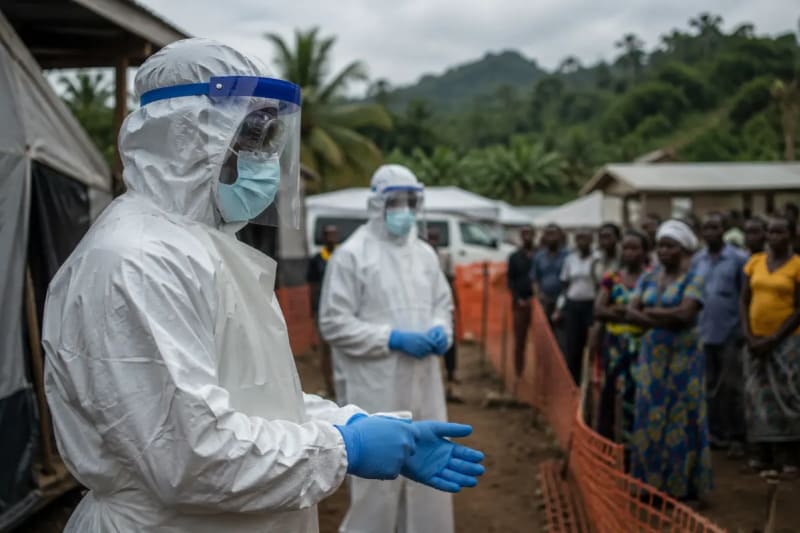
The outbreak primarily impacts communities in the eastern provinces of the Democratic Republic of Congo, where healthcare infrastructure is already strained. Frontline healthcare workers, family members caring for infected individuals, and residents in areas with limited access to medical services face the highest risk. Additionally, neighboring countries remain on alert due to the potential for cross border spread, particularly in regions with porous borders and shared transit routes.
Government and WHO Response
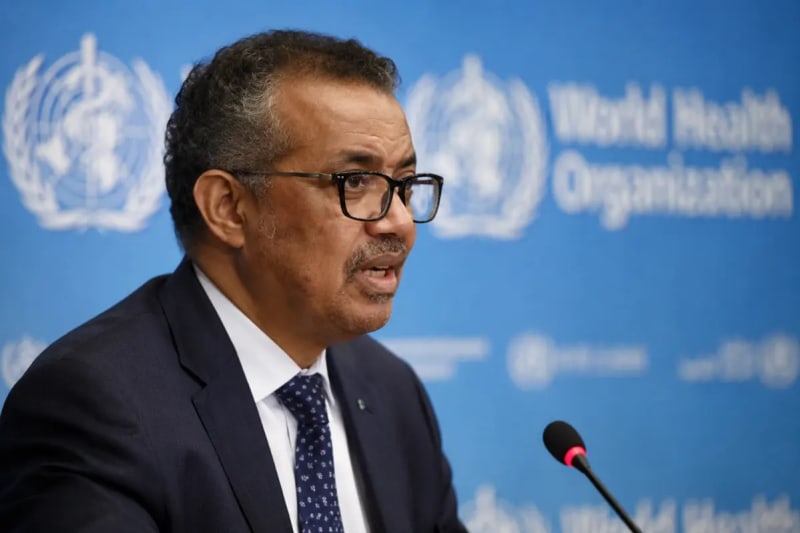
The World Health Organization has declared the outbreak a public health emergency of international concern, triggering coordinated global action. National health authorities in Congo are working alongside international partners to implement containment measures, including contact tracing, isolation protocols, and community education campaigns. The $62 million funding will enable the rapid advancement of vaccine candidates through Phase 2 and 3 clinical trials, with the goal of securing regulatory approval within months rather than years.
Prevention and Safety Guidance
Until vaccines become widely available, public health officials emphasize the importance of traditional containment strategies. These include:
- Isolating suspected cases and tracing contacts to prevent further transmission.
- Using personal protective equipment for healthcare workers and caregivers.
- Practicing safe burial practices to minimize exposure during funerals.
- Raising community awareness about symptoms and early reporting.
Travelers to affected regions are advised to monitor updates from health authorities and adhere to local guidelines.
What Readers Should Know
The accelerated vaccine development effort represents a significant step forward in global health preparedness, but challenges remain. Clinical trials must balance speed with safety, ensuring that candidates are both effective and free from harmful side effects. Meanwhile, ongoing conflict and logistical hurdles in Congo could delay deployment even after approval. For now, the focus remains on containment while the scientific community works to deliver a long term solution.
Key Takeaways
- A $62 million global coalition is fast tracking three Ebola vaccine candidates amid an active outbreak in the Democratic Republic of Congo.
- The current strain has a high fatality rate, and no licensed vaccines are available, increasing urgency for rapid development.
- Healthcare workers and communities in conflict affected regions are at highest risk, with neighboring countries on alert for potential spread.
- Prevention relies on traditional containment measures until vaccines are approved and deployed.
Frequently Asked Questions
Why are there no licensed Ebola vaccines for the current strain?
While vaccines exist for other Ebola strains, the specific variant circulating in Congo has not yet been targeted by a licensed product. The $62 million initiative aims to bridge this gap by accelerating research and regulatory approval for new candidates.
How long will it take for the vaccines to become available?
The funding is designed to compress the typical development timeline, with the goal of advancing candidates through clinical trials within months. However, regulatory approval and large scale manufacturing will still require time, and deployment may face logistical challenges in conflict zones.
What are the symptoms of Ebola?
Early symptoms include fever, fatigue, muscle pain, and headache, often followed by vomiting, diarrhea, and internal or external bleeding in severe cases. Symptoms typically appear 2 to 21 days after exposure.
Is it safe to travel to Congo during the outbreak?
Travelers should consult official advisories from the World Health Organization and their local health authorities. Those visiting affected regions should take precautions, including avoiding contact with sick individuals and following hygiene protocols.
Medical Review: MedSense Editorial Board











DISCUSSION (0)
POST A COMMENT