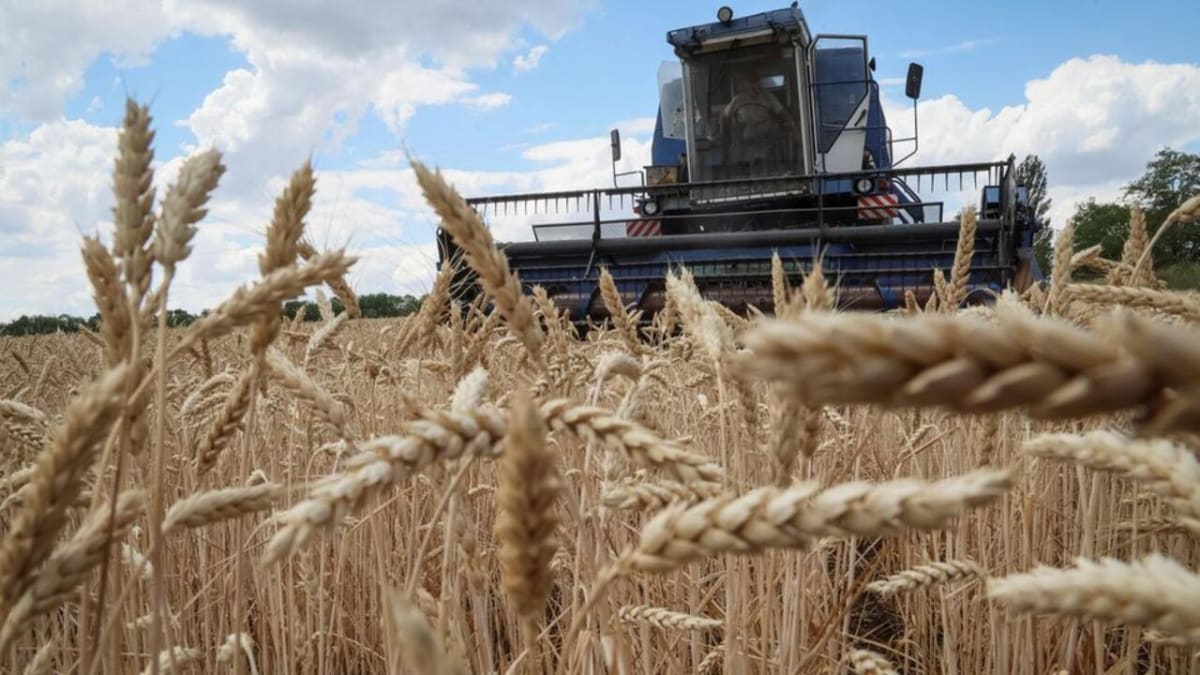
French public health authorities are escalating efforts to curb dietary exposure to cadmium, a toxic heavy metal increasingly detected in staple foods such as baguettes and breakfast cereals. Regulators warn that chronic intake may exceed safe thresholds, prompting calls for stricter monitoring and intervention.
According to the French Agency for Food, Environmental and Occupational Health & Safety (ANSES), cereals and bakery products are among the primary dietary sources of cadmium contamination. While the metal occurs naturally in soil, industrial and agricultural activities, particularly the use of phosphate fertilizers, have elevated its presence in crops. Cadmium accumulates in the body over time, posing risks to the kidneys, bones, and cardiovascular system.
What Happened
ANSES recently flagged cereals and bakery products as potential sources of cadmium contamination, citing findings that dietary intake may approach or exceed safety thresholds. The agency’s assessment aligns with concerns raised by the European Food Safety Authority (EFSA), which has also highlighted the risks of long term exposure to low levels of cadmium in food.
Why Public Health Officials Are Concerned
Chronic exposure to cadmium, even at low levels, has been linked to serious health complications, including kidney damage, bone weakening, and cardiovascular disease. The World Health Organization (WHO) classifies cadmium as a human carcinogen, underscoring the need for proactive measures to reduce dietary intake.
Industrial and agricultural practices, particularly the widespread use of phosphate fertilizers, have contributed to elevated cadmium levels in soil and crops. This contamination is particularly problematic for staple foods like wheat, a key ingredient in baguettes and breakfast cereals.
Symptoms or Risk Factors
Cadmium exposure often presents with nonspecific symptoms, such as fatigue, nausea, and bone pain, making early detection challenging. Over time, the metal can accumulate in the body, leading to:
- Kidney dysfunction, including tubular damage and potential renal failure.
- Increased risk of osteoporosis and fractures due to interference with calcium metabolism.
- Possible links to hypertension and other cardiovascular diseases.
Populations at higher risk include those with diets high in cereals, bakery products, and other cadmium contaminated foods, as well as individuals living in areas with historically contaminated soil.
Who May Be Affected
Consumers of staple foods such as baguettes and breakfast cereals are particularly vulnerable to dietary cadmium exposure. Additionally, agricultural workers and communities near industrial sites may face elevated risks due to soil and water contamination.
Children and pregnant women are also considered high risk groups, as cadmium exposure during critical developmental periods can have long term health consequences.
Government or WHO Response
ANSES has recommended stricter limits on cadmium in fertilizers and food products, aligning with EFSA’s guidance. The French government is evaluating regulatory measures to reduce cadmium levels in agricultural inputs and final food products.
The WHO has emphasized the need for global action to minimize cadmium exposure, particularly in regions where dietary staples are grown in contaminated soil. The agency advocates for improved soil management, food processing techniques, and public health surveillance.
Prevention and Safety Guidance
To reduce dietary cadmium exposure, health authorities recommend:
- Diversifying diets to include a variety of foods, reducing reliance on high risk staples like certain cereals and bakery products.
- Supporting agricultural practices that minimize cadmium uptake in crops, such as selecting low cadmium wheat varieties and reducing phosphate fertilizer use.
- Enhancing food processing techniques to lower cadmium content in final products.
- Monitoring soil and water quality in agricultural regions to identify and mitigate contamination sources.
What Readers Should Know
While cadmium is a naturally occurring metal, human activities have significantly increased its presence in the food supply. Regulatory agencies are working to tighten limits on cadmium in fertilizers and food products, but consumers can take steps to reduce their exposure by diversifying their diets and supporting sustainable agricultural practices.
Public health officials stress that the risks of cadmium exposure are cumulative, meaning even low levels over time can pose health concerns. Staying informed about local food safety advisories and advocating for stricter environmental and agricultural regulations can help mitigate these risks.
Key Takeaways
- French regulators are intensifying efforts to reduce cadmium contamination in staple foods like baguettes and cereals due to health risks.
- Chronic cadmium exposure is linked to kidney damage, bone weakening, and cardiovascular disease, with WHO classifying it as a human carcinogen.
- Agricultural practices, particularly phosphate fertilizer use, contribute to elevated cadmium levels in soil and crops.
- Consumers can reduce exposure by diversifying diets and supporting sustainable agricultural practices.
- Regulatory agencies are evaluating stricter limits on cadmium in fertilizers and food products to mitigate health risks.
Frequently Asked Questions
What foods are most likely to contain high levels of cadmium?
Foods such as cereals, bakery products, leafy vegetables, and root crops are more likely to contain higher levels of cadmium due to soil contamination. Staple foods like wheat based products are particularly concerning.
How does cadmium exposure affect long term health?
Long term cadmium exposure can lead to kidney dysfunction, osteoporosis, and potential cardiovascular risks. The metal accumulates in the body over time, increasing the likelihood of chronic health complications.
What is being done to reduce cadmium in the food supply?
French authorities, in collaboration with EFSA and WHO, are evaluating stricter limits on cadmium in fertilizers and food products. Efforts include improving soil management, enhancing food processing techniques, and promoting public health surveillance.
Are there specific populations at higher risk of cadmium exposure?
Yes, populations with diets high in cereals and bakery products, agricultural workers, and communities near industrial sites are at higher risk. Children and pregnant women are also considered vulnerable due to potential long term health impacts.
How can consumers reduce their cadmium intake?
Consumers can diversify their diets to include a variety of foods, reduce reliance on high risk staples, and support sustainable agricultural practices. Staying informed about local food safety advisories is also recommended.
Medical Review: MedSense Editorial Board









DISCUSSION (0)
POST A COMMENT