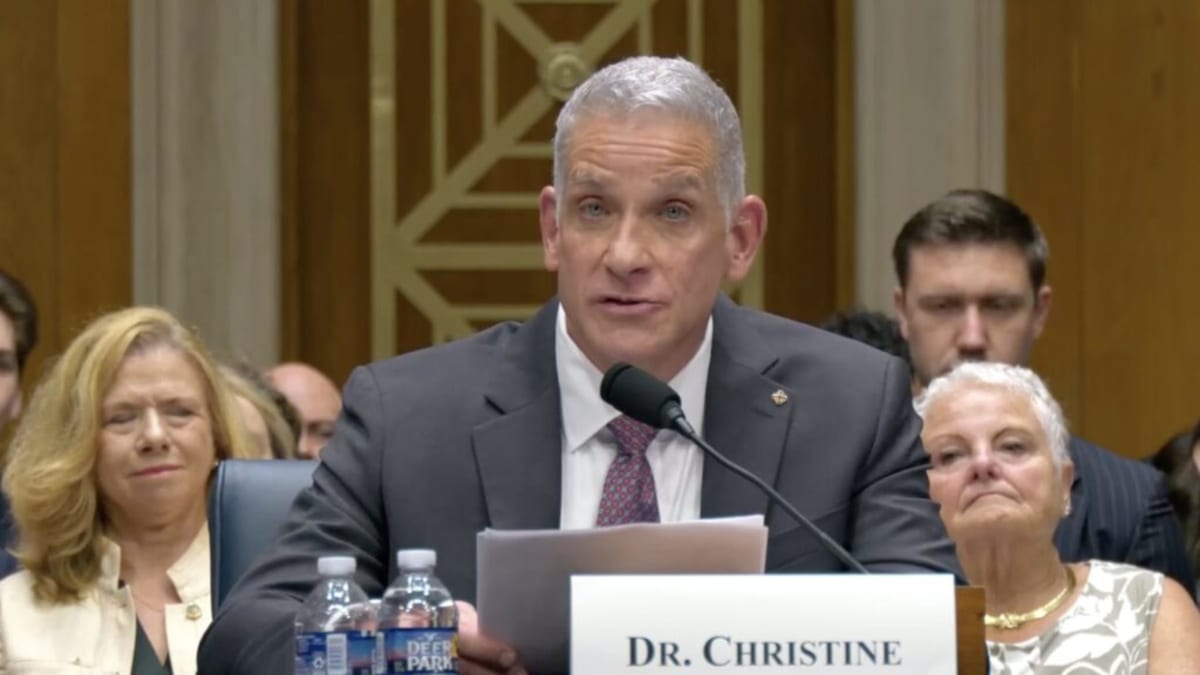
What Happened
The Trump administration took a decisive step in 2019 by establishing the first federal office dedicated to men’s health within the Department of Health and Human Services. Tasked with coordinating research, public awareness campaigns, and policy recommendations, the office was designed to tackle disparities in life expectancy, mental health, and chronic disease management among men. While not yet fully funded or operational at scale, its creation marked a historic shift in how federal health agencies approach gender specific health challenges.
Why Public Health Officials Are Concerned
The office’s uncertain future underscores a broader tension in public health policy: the risk of policy reversals when administrations change. Advocates fear that a future Democratic administration could dissolve the office, viewing it as a partisan initiative rather than a necessary public health intervention. This concern is not without precedent. Similar offices, such as those focused on women’s health or minority health, have faced funding cuts or restructuring during transitions, disrupting long term health programs and eroding trust among stakeholders.
Public health experts argue that men’s health deserves sustained attention. Men in the U.S. die, on average, five years earlier than women, with higher rates of suicide, heart disease, and unintentional injuries. Yet federal health initiatives have historically prioritized other demographics, leaving men’s health needs understudied and underfunded. The absence of a centralized office has fragmented efforts to address these disparities, making coordination between agencies and community organizations difficult.
Who May Be Affected
The potential dismantling of the men’s health office would have far reaching consequences. Men from marginalized communities, including low income groups, rural populations, and racial minorities, stand to lose the most. These groups already face barriers to healthcare access and are disproportionately affected by preventable conditions like diabetes, hypertension, and substance use disorders. A dedicated federal office could help tailor interventions to these populations, ensuring that health programs are culturally competent and geographically accessible.
Healthcare providers would also feel the impact. Without a centralized office, clinicians may continue to lack standardized guidelines for addressing men’s health issues, from prostate cancer screening to mental health support. Medical schools and training programs could miss opportunities to integrate men’s health into curricula, perpetuating gaps in clinical knowledge.
Government and Advocacy Response
Supporters of the men’s health office are pushing for bipartisan legislation to codify its existence, shielding it from future administrative changes. Bills introduced in Congress aim to formalize the office’s structure, mandate annual reporting on men’s health metrics, and allocate dedicated funding. Advocacy groups, including the Men’s Health Network and the American Public Health Association, have ramped up lobbying efforts, framing the office as a nonpartisan tool for improving population health.
Opponents, however, argue that creating a new federal office is redundant. They point to existing agencies, such as the Centers for Disease Control and Prevention and the National Institutes of Health, which already address aspects of men’s health. Critics also question whether the office would duplicate efforts or divert resources from broader public health priorities, such as universal healthcare access or chronic disease prevention.
Prevention and Policy Guidance
For the men’s health office to succeed, experts emphasize the need for clear, evidence based priorities. Key focus areas could include:
- Expanding research on male specific conditions, such as prostate cancer and male infertility.
- Developing targeted public health campaigns to reduce stigma around men’s mental health.
- Improving data collection on men’s health outcomes to identify disparities.
- Strengthening partnerships with community organizations to reach underserved populations.
Policymakers are also urged to consider the office’s role in broader health equity initiatives. By integrating men’s health into existing programs, such as the Affordable Care Act or Medicaid, the office could amplify its impact without creating silos.
What Readers Should Know
The debate over the men’s health office reflects a larger question: How should federal health agencies balance specialized initiatives with overarching public health goals? While the office’s future remains uncertain, its creation has already sparked important conversations about gender equity in healthcare. For now, advocates are focused on securing its place in the federal health landscape, ensuring that men’s health is no longer an afterthought in policy discussions.
Readers can stay informed by following updates from the Department of Health and Human Services and advocacy groups like the Men’s Health Network. Those interested in supporting the effort can contact their representatives to express their views on the importance of sustained federal attention to men’s health.
Key Takeaways
- A federal office for men’s health was established in 2019 but remains vulnerable to political shifts.
- Men face significant health disparities, including shorter life expectancy and higher rates of suicide and chronic disease.
- Bipartisan support and legislative action are critical to ensuring the office’s long term survival and impact.
- The office could improve healthcare access and outcomes for marginalized men, but its success depends on evidence based priorities and integration with broader health initiatives.
Frequently Asked Questions
Why does the U.S. need a federal office for men’s health?
Men in the U.S. experience higher rates of preventable diseases, shorter life expectancy, and greater barriers to healthcare access compared to women. A dedicated office could coordinate research, policy, and public health campaigns to address these disparities systematically.
What are the biggest health challenges facing men today?
Key challenges include mental health stigma, leading to higher suicide rates; chronic conditions like heart disease and diabetes; and lower engagement with preventive care. Men are also less likely to seek medical help for symptoms, delaying diagnosis and treatment.
How could the men’s health office improve healthcare for marginalized groups?
The office could develop targeted programs for low income, rural, and minority men, who often face compounded barriers to care. This might include expanding telehealth services, funding community health workers, and creating culturally tailored health education campaigns.
What can individuals do to support men’s health initiatives?
Advocacy is key. Individuals can contact their representatives to voice support for the men’s health office, participate in local health awareness campaigns, and encourage men in their lives to prioritize preventive care and mental health support.
Medical Review: MedSense Editorial Board









DISCUSSION (0)
POST A COMMENT