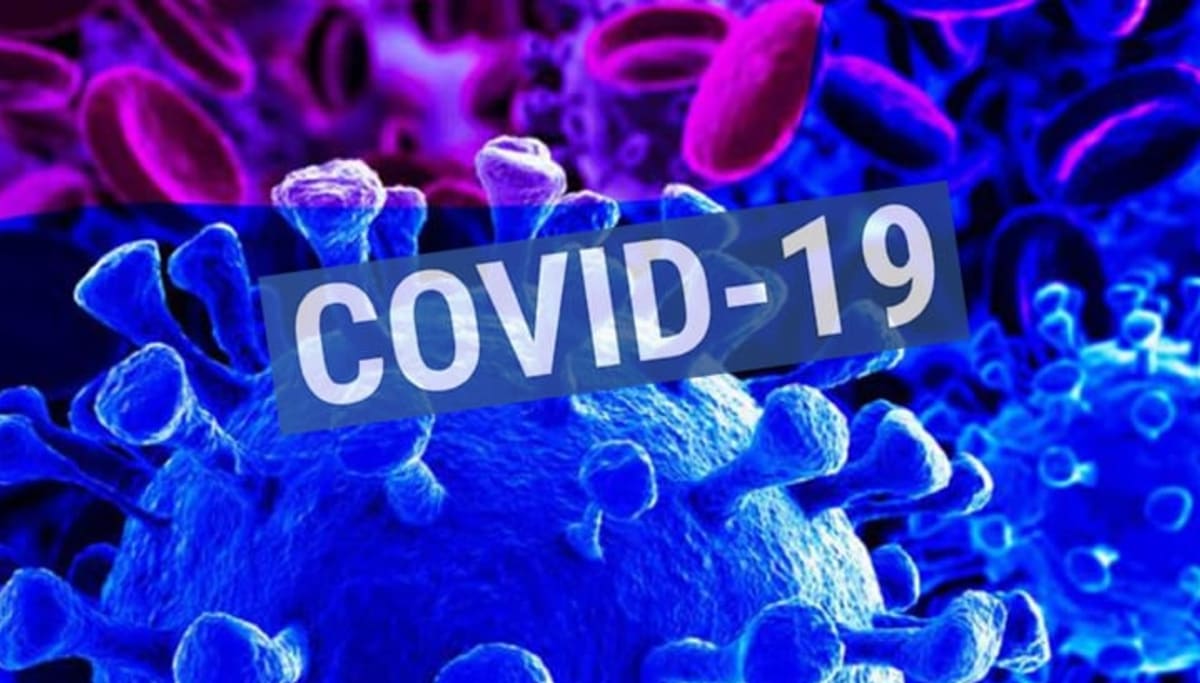
What Happened
On Tuesday, residents of Gumel in Jigawa State flocked to the local government secretariat after a viral message circulated on social media, claiming that individuals with COVID 19 vaccination cards were eligible for a N75,000 cash grant. The crowd, which included farmers, traders, and laborers, arrived in large numbers, expecting to receive the promised funds. However, upon arrival, they were informed by local authorities that the claim was entirely false and no such grant program had been announced.
The false rumor appears to have originated from unverified social media accounts, which have since been flagged by community leaders. While the immediate chaos subsided, the incident has reignited concerns about the spread of misinformation in regions where access to accurate health information remains limited.
Why Public Health Officials Are Concerned
Misinformation about vaccines and health programs poses a significant threat to public health, particularly in areas where vaccination rates are already low. In Nigeria, COVID 19 vaccine uptake has faced challenges due to skepticism, logistical barriers, and competing priorities in resource limited settings. False claims like the one in Jigawa can deepen mistrust, making it harder for health workers to encourage vaccination or other critical interventions.
Dr. Faisal Shuaib, Executive Director of Nigeria’s National Primary Health Care Development Agency, has previously warned that misinformation can undermine years of progress in immunization campaigns. "When people act on false information, it not only wastes their time and resources but also diverts attention from genuine health initiatives," he noted in past statements. The Jigawa incident serves as a stark example of how quickly rumors can disrupt community behavior.
Who May Be Affected
The ripple effects of this rumor extend beyond those who gathered at the secretariat. Families who traveled long distances, often at personal cost, may now face financial strain or lost wages. More broadly, the incident could discourage others from participating in future health programs, fearing similar deception. Vulnerable populations, including the elderly and those with limited access to reliable information, are particularly at risk of being misled by such claims.
Government Response
Local officials in Jigawa State have urged residents to verify information through official channels before acting on social media claims. The state government, in collaboration with health authorities, is working to counter the spread of misinformation by engaging community leaders and religious figures to disseminate accurate updates. Nationally, Nigeria’s health agencies continue to monitor vaccine related rumors and have called for stricter measures to hold purveyors of false information accountable.
Prevention and Safety Guidance
For residents seeking reliable health information, officials recommend the following steps:
- Verify claims through official government or health agency websites, such as the Nigeria Centre for Disease Control or the National Primary Health Care Development Agency.
- Consult trusted community leaders, healthcare workers, or local authorities before acting on social media messages.
- Report suspicious or misleading posts to platform administrators or local authorities to help curb the spread of false information.
Health experts also emphasize the importance of critical thinking when encountering sensational claims, particularly those promising financial incentives tied to health programs.
What Readers Should Know
This incident highlights the broader challenge of misinformation in public health. While the promise of financial rewards may seem appealing, it is crucial to approach such claims with skepticism. Vaccination remains one of the most effective tools for preventing disease, and rumors that undermine trust in these programs can have long term consequences for community health. Residents are encouraged to stay informed through credible sources and to engage with local health workers for accurate guidance.
Key Takeaways
- A false rumor about a N75,000 COVID 19 vaccine grant caused hundreds in Jigawa State to rush to government offices, only to find no such program existed.
- Misinformation about vaccines can erode public trust, disrupt health initiatives, and divert resources from genuine programs.
- Residents should verify health related claims through official channels and report suspicious social media posts to prevent the spread of false information.
Frequently Asked Questions
How can I verify if a health related claim is true?
Check official government or health agency websites, such as the Nigeria Centre for Disease Control or the National Primary Health Care Development Agency. You can also consult local healthcare workers or community leaders for guidance.
What should I do if I encounter a false health claim on social media?
Report the post to the platform administrators and avoid sharing it further. If possible, inform local authorities or health officials to help counter the spread of misinformation.
Why is misinformation about vaccines dangerous?
False claims can undermine trust in vaccination programs, leading to lower immunization rates and increased risk of disease outbreaks. They can also waste time and resources, as seen in the Jigawa incident.
Medical Review: MedSense Editorial Board










DISCUSSION (0)
POST A COMMENT