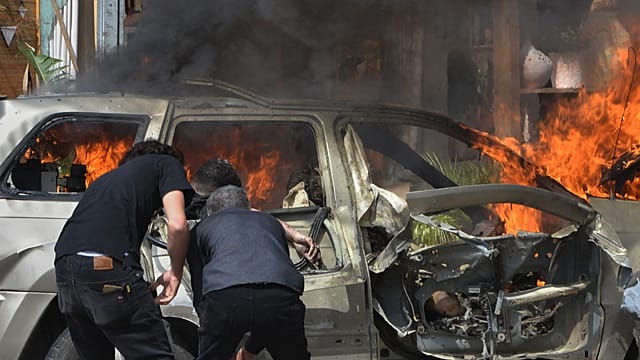
Israeli drone strikes along a highway south of Beirut on Wednesday killed eight people, including a woman and her two children, according to Lebanon’s Ministry of Public Health. The attack, one of the deadliest since the recent ceasefire took hold, has intensified fears of renewed violence and derailed diplomatic efforts aimed at stabilizing the region.
What Happened
The strikes targeted multiple vehicles traveling along a key highway south of Beirut, killing eight individuals and injuring others. The Lebanon Ministry of Public Health confirmed the fatalities, noting that the attack occurred in an area with a history of sporadic violence despite the ceasefire. Emergency responders described chaotic scenes at the scene, with survivors rushed to nearby hospitals for treatment.
Why Public Health Officials Are Concerned
Public health and humanitarian organizations warn that the use of drone strikes in populated areas risks civilian casualties, which can overwhelm local healthcare systems already strained by conflict. The attack has raised concerns about the fragility of the ceasefire, with diplomats and analysts cautioning that such escalations could trigger broader hostilities. The presence of children among the victims has particularly drawn international condemnation.
Symptoms or Risk Factors
While the immediate physical injuries from the strikes are evident, public health experts emphasize the broader psychological and social risks to the community. Survivors and witnesses may experience acute stress reactions, while the disruption of essential services could exacerbate existing health vulnerabilities in the region.
Who May Be Affected
The attack directly impacted families traveling on the highway, as well as emergency responders and healthcare workers treating the wounded. Neighboring communities may also face indirect consequences, including displacement, disrupted access to medical care, and heightened food insecurity due to potential supply chain disruptions.
Government or WHO Response
The United Nations has called for immediate restraint and adherence to international humanitarian law, urging all parties to protect civilians. The World Health Organization (WHO) has expressed concern over the strain on local healthcare facilities and the potential for increased medical needs in the aftermath of the strikes. The Lebanese government has condemned the attack and called for an independent investigation.
Prevention and Safety Guidance
In conflict zones, civilians are advised to avoid travel on major highways and roads known to be high risk areas. Humanitarian organizations recommend that affected communities prepare for potential displacement by identifying safe shelters and ensuring access to emergency supplies. For those in the vicinity of conflict, staying informed through trusted local sources and following guidance from health authorities is critical.
What Readers Should Know
The attack underscores the persistent risks civilians face in conflict zones, even amid ceasefire agreements. The international community’s response will be closely watched, as it may set a precedent for how such breaches are addressed. For readers in the region, prioritizing safety and staying informed about local advisories remains essential.
Key Takeaways
- Israeli drone strikes near Beirut killed eight people, including civilians, threatening the fragile ceasefire.
- The attack has heightened fears of renewed violence and derailed diplomatic efforts aimed at stabilizing the region.
- Public health experts warn of the risks of civilian casualties and the strain on local healthcare systems.
- The United Nations and WHO have called for restraint and adherence to international humanitarian law.
- Civilians in conflict zones are advised to avoid high risk areas and prepare for potential displacement.
Frequently Asked Questions
What was the immediate impact of the drone strikes on local healthcare systems?
The strikes resulted in multiple casualties, placing additional strain on local hospitals and emergency responders. Healthcare facilities in the area are likely operating at or beyond capacity, with resources diverted to treat the wounded.
How has the international community responded to the attack?
The United Nations has called for restraint and adherence to international humanitarian law, while the World Health Organization has expressed concern over the strain on local healthcare facilities. The Lebanese government has condemned the attack and called for an independent investigation.
What steps can civilians take to stay safe in conflict zones?
Civilians are advised to avoid travel on major highways and roads known to be high risk areas. They should also identify safe shelters, ensure access to emergency supplies, and stay informed through trusted local sources.
What are the broader implications of the attack for the ceasefire?
The attack has intensified fears of renewed violence and derailed diplomatic efforts aimed at stabilizing the region. The international community’s response may set a precedent for how such breaches are addressed in future conflicts.
Medical Review: MedSense Editorial Board








DISCUSSION (0)
POST A COMMENT