For Rei Scott, the difference between survival and crisis came down to a single parking space. At 16, Scott’s family of five and their dog spent weeks sleeping in a car, each night a gamble against eviction, hunger, and the crushing weight of financial ruin. The scars of that period linger, not just in memory but in Scott’s ongoing battle with depression and anxiety.
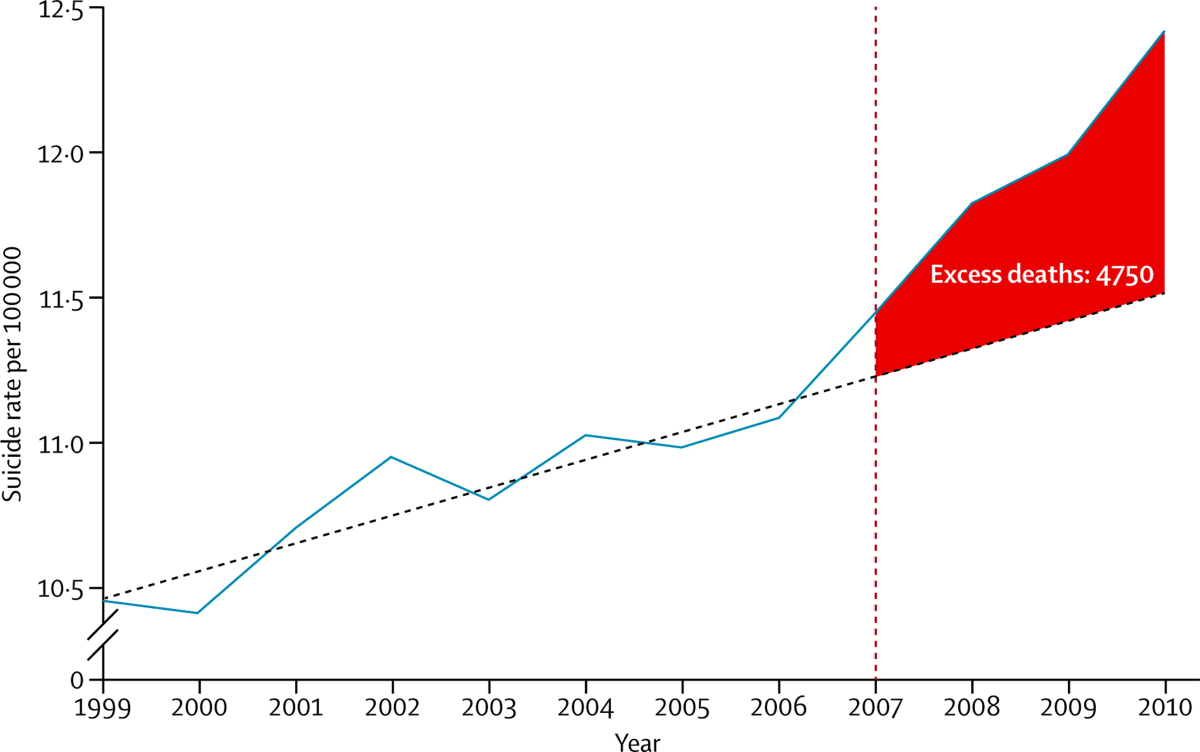
Scott’s story is not unique. Across the United States, a growing body of research confirms what many have long suspected: economic hardship is a silent but potent driver of suicide risk. As living costs soar, wages stagnate, and affordable housing vanishes, mental health crises are escalating at an alarming rate.
What Happened
Suicide rates in the U.S. have climbed steadily over the past two decades, with economic instability emerging as a critical factor in this trend. According to the Centers for Disease Control and Prevention (CDC), suicide was the 11th leading cause of death in 2022, claiming over 49,000 lives. While traditional prevention efforts have focused on clinical interventions, experts now emphasize that financial stress, from unpaid bills to housing insecurity, plays a pivotal role in amplifying despair.
Why Public Health Officials Are Concerned
Public health authorities warn that the current approach to suicide prevention is failing to address the root causes of the crisis. A 2023 report from the CDC highlighted that individuals facing economic hardship are significantly more likely to experience suicidal ideation, attempts, or deaths. The report noted that financial strain disrupts stability in ways that clinical care alone cannot resolve.
Dr. Mark Olfson, a professor of clinical psychiatry at Columbia University, stated, "We’re seeing patients who are one medical bill or one rent increase away from a breakdown. The traditional model of treating mental health in isolation is no longer sufficient."
Symptoms or Risk Factors
Economic hardship does not act alone in driving suicide risk. It intersects with other vulnerabilities, including:
- Chronic financial stress: The constant pressure of meeting basic needs, housing, food, utilities, triggers a physiological stress response, increasing cortisol levels and impairing decision making.
- Social isolation: Poverty often severs ties with support networks, leaving individuals without the emotional or practical assistance needed to cope. Scott described feeling "invisible," a sentiment echoed by many in similar circumstances.
- Access barriers to care: Even when mental health services are available, transportation costs, time off work, and lack of childcare can render them unattainable. Telehealth has helped bridge some gaps, but it is not a solution for those without reliable internet or privacy.
Who May Be Affected
The burden of economic driven suicide risk falls disproportionately on low income households, marginalized communities, and those experiencing housing instability. According to the U.S. Department of Housing and Urban Development (HUD), over 650,000 people experience homelessness on any given night in the U.S., with many facing compounded mental health challenges. Additionally, essential workers, gig economy laborers, and single parents are particularly vulnerable due to unpredictable income and limited safety nets.
Government or WHO Response
In response to the escalating crisis, federal and local agencies are beginning to integrate economic stability into suicide prevention strategies. The 988 Suicide & Crisis Lifeline, launched in 2022, now includes training for counselors to address financial stressors alongside mental health concerns. The Substance Abuse and Mental Health Services Administration (SAMHSA) has also prioritized funding for programs that combine housing assistance with mental health support.
At the state level, initiatives like California’s CalAIM program aim to provide comprehensive services, including housing and financial counseling, to high risk populations. However, experts caution that these efforts remain underfunded and fragmented.
Prevention and Safety Guidance
Addressing the economic roots of suicide requires a multi layered approach. Key strategies include:
- Housing first programs: Providing permanent housing without preconditions has been shown to reduce suicide attempts by up to 40% in high risk groups, according to a 2022 study in JAMA Psychiatry.
- Financial counseling and workplace support: Employers are increasingly offering emergency funds, wage increases, and financial literacy programs to support struggling employees.
- Policy interventions: Advocates are pushing for living wage laws, expanded unemployment benefits, and universal basic income pilots to stabilize household incomes.
What Readers Should Know
For those struggling with financial stress and mental health challenges, help is available. The 988 Suicide & Crisis Lifeline offers free, confidential support 24/7. Additionally, local community health centers and nonprofits often provide resources for housing, food assistance, and financial counseling. Recognizing the signs of economic despair, such as persistent anxiety about bills, social withdrawal, or feelings of hopelessness, can be the first step toward intervention.
For policymakers and employers, the message is clear: addressing the economic drivers of suicide is not just a social issue, but a public health imperative. As Scott’s journey illustrates, stability is the foundation of mental well being. Without it, even the most robust clinical interventions will fall short.
Key Takeaways
- Economic hardship, including low wages, housing instability, and financial stress, significantly increases suicide risk, yet these factors are often overlooked in prevention strategies.
- Systemic solutions, such as housing first initiatives, financial counseling, and workplace support, are emerging as critical tools in reducing suicide rates.
- Personal stories, like Rei Scott’s, underscore the human cost of this crisis and the urgent need for integrated financial and mental health interventions.
- Addressing this issue requires a collective effort from policymakers, healthcare providers, employers, and communities to create lasting change.
Frequently Asked Questions
How does financial stress directly contribute to suicide risk?
Chronic financial stress triggers a physiological stress response, increasing cortisol levels and impairing cognitive function. Over time, this erodes resilience and amplifies feelings of helplessness, making individuals more vulnerable to suicidal ideation and attempts.
What role does housing instability play in mental health crises?
Housing instability exacerbates mental health struggles by creating a cycle of stress and hopelessness. The constant threat of eviction or homelessness disrupts stability, making it difficult to access care, maintain employment, or sustain relationships.
Are there effective policy solutions to address this issue?
Yes. Programs like housing first initiatives, which provide permanent housing without preconditions, have demonstrated success in reducing suicide attempts by up to 40% in high risk groups. Additionally, universal basic income pilots and living wage laws are being explored as tools to stabilize household incomes.
How can individuals support someone experiencing economic despair?
Simple acts of kindness, such as offering a meal, listening without judgment, or connecting them to local resources, can make a significant difference. Advocating for policy changes and supporting organizations that provide financial counseling or housing assistance are also impactful ways to help.
Where can people turn for help if they are struggling with financial stress and mental health challenges?
The 988 Suicide & Crisis Lifeline offers free, confidential support 24/7. Local community health centers and nonprofits often provide resources for housing, food assistance, and financial counseling. Additionally, employers may offer mental health resources or emergency funds as part of their benefits packages.
Medical Review: MedSense Editorial Board









DISCUSSION (0)
POST A COMMENT