
What Happened
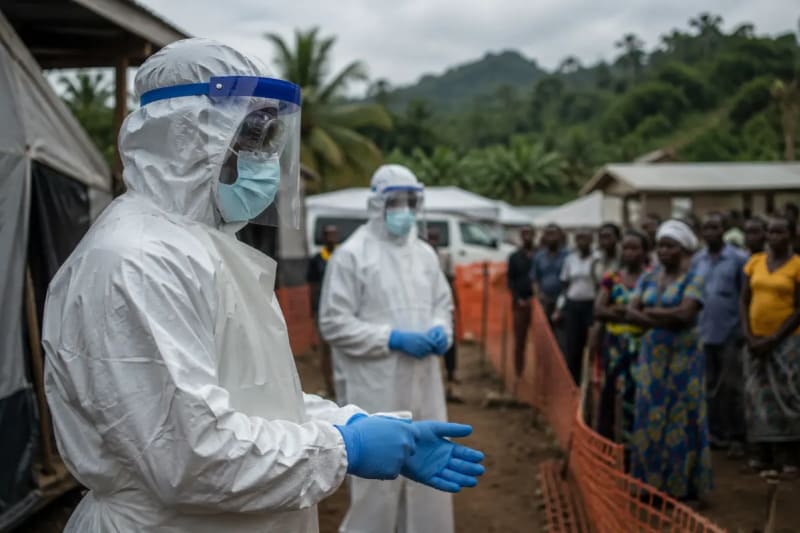
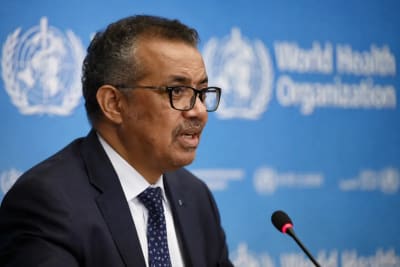
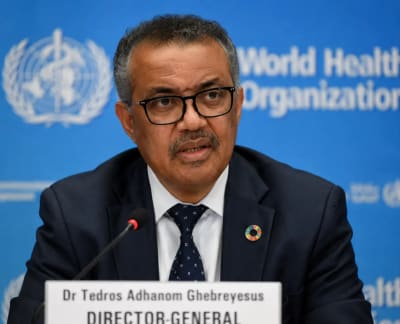
The Ebola outbreak in Ituri province, declared on May 15, has seen a dramatic reduction in suspected cases, falling from 906 to 116, the World Health Organization confirmed. The province, located in northeastern Democratic Republic of Congo, has been a hotspot for both armed conflict and infectious disease, complicating response efforts. The sharp decline in cases reflects intensified surveillance, vaccination campaigns, and community engagement initiatives led by local health authorities and international partners.
Why Public Health Officials Are Concerned
Despite the encouraging numbers, health officials remain vigilant. Ituri province’s ongoing conflict disrupts healthcare delivery, limits access to remote communities, and increases the risk of undetected transmission. Ebola’s high fatality rate, combined with the region’s fragile health infrastructure, means even a small resurgence could reverse progress. Additionally, the Democratic Republic of Congo’s history of recurrent Ebola outbreaks underscores the need for sustained investment in disease preparedness and response systems.
Symptoms or Risk Factors
Ebola virus disease is characterized by sudden onset of fever, fatigue, muscle pain, headache, and sore throat, followed by vomiting, diarrhea, rash, and in severe cases, internal and external bleeding. The virus spreads through direct contact with bodily fluids of infected individuals or contaminated surfaces. Healthcare workers, family members caring for patients, and those handling the deceased are at highest risk of infection.
Who May Be Affected
The outbreak has disproportionately impacted communities in Ituri province, where displacement due to conflict has created crowded and unsanitary living conditions. Children, the elderly, and individuals with pre existing health conditions are particularly vulnerable to severe outcomes. Frontline healthcare workers, many of whom lack adequate protective equipment, also face elevated risks.
Government or WHO Response
The Democratic Republic of Congo’s Ministry of Health, in collaboration with the WHO and partners like Médecins Sans Frontières, has implemented a multi pronged response strategy. This includes ring vaccination of high risk contacts, community based surveillance, safe burial practices, and public awareness campaigns. The WHO has also deployed mobile laboratories to improve diagnostic capacity in remote areas, reducing the time between symptom onset and isolation.
Prevention and Safety Guidance
Preventing Ebola transmission relies on strict infection control measures. Key recommendations include:
- Avoiding direct contact with bodily fluids of infected individuals or animals.
- Practicing regular hand hygiene with soap and water or alcohol based sanitizers.
- Using personal protective equipment when caring for sick individuals.
- Ensuring safe and dignified burials for those who die from Ebola.
- Seeking immediate medical attention if symptoms develop, especially after exposure to confirmed cases.
What Readers Should Know
The decline in suspected Ebola cases is a testament to the resilience of local health workers and the effectiveness of coordinated international support. However, the outbreak is not over. Continued vigilance, funding, and community cooperation are essential to prevent a resurgence. For those in affected regions, staying informed through trusted sources and adhering to public health guidance remains the best defense against the virus.
Key Takeaways
- Suspected Ebola cases in Ituri province, DRC, have dropped from 906 to 116, signaling progress in containment efforts.
- Ongoing conflict and fragile health infrastructure pose persistent challenges to outbreak control.
- Prevention relies on infection control measures, vaccination, and community engagement to limit transmission.
Frequently Asked Questions
What is causing the decline in Ebola cases in DRC?
The reduction in cases is attributed to intensified surveillance, vaccination campaigns, and community based interventions led by health authorities and international partners.
Why is Ebola still a threat in conflict zones?
Conflict disrupts healthcare access, limits disease surveillance, and increases the risk of undetected transmission, making outbreaks harder to control.
What are the early symptoms of Ebola?
Early symptoms include fever, fatigue, muscle pain, headache, and sore throat, which can progress to vomiting, diarrhea, and bleeding in severe cases.
How can individuals protect themselves from Ebola?
Avoid contact with bodily fluids of infected individuals, practice hand hygiene, use protective equipment when caring for patients, and follow safe burial practices.
Medical Review: MedSense Editorial Board










DISCUSSION (0)
POST A COMMENT