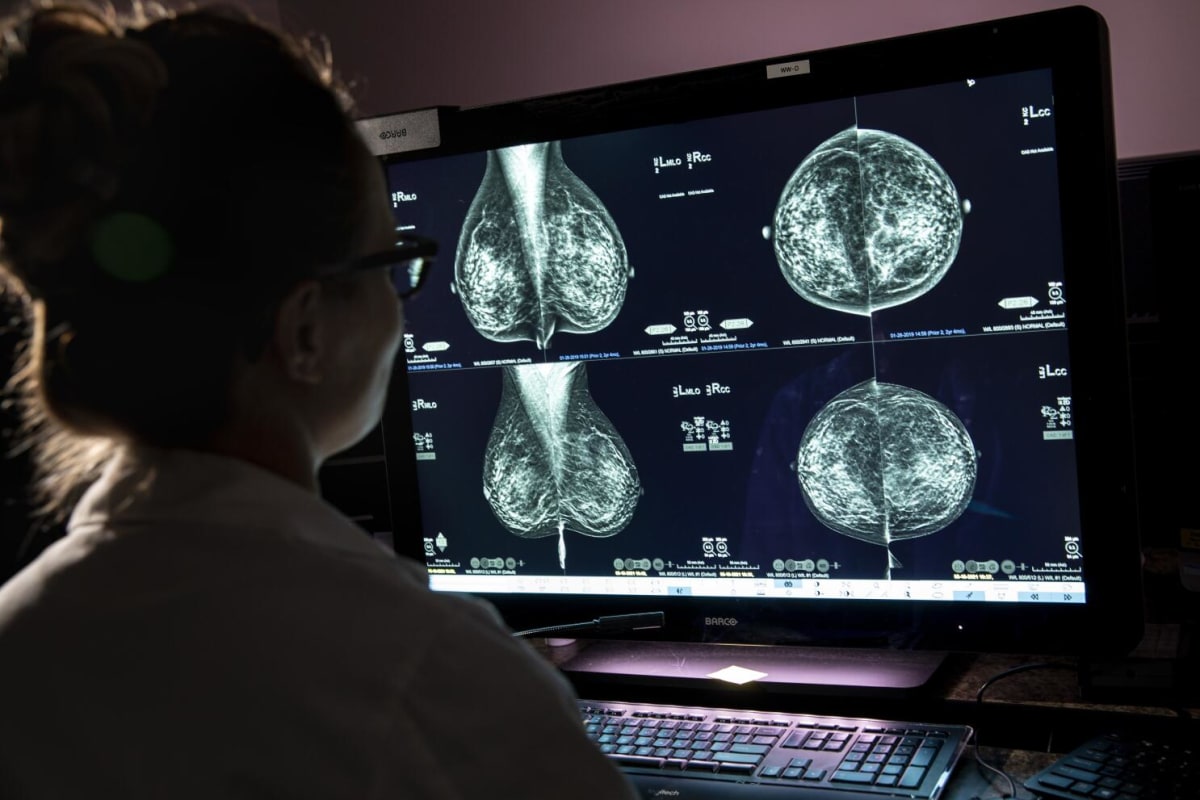
Breast cancer remains the most frequently diagnosed cancer among women worldwide, with more than 2 million new cases reported annually. Yet, a fundamental question about prevention has divided leading health authorities, leaving women uncertain about when to begin lifesaving mammograms.
While the American Cancer Society recommends annual screenings starting at age 45, the U.S. Preventive Services Task Force advises waiting until age 50, with screenings every two years. Meanwhile, the American College of Radiology insists on annual screenings beginning at 40, warning that delays could result in missed early stage cancers.
What Happened
The disagreement over mammogram timing has intensified in recent years, with major health organizations issuing conflicting recommendations. The American Cancer Society (ACS) suggests women begin annual mammograms at 45, with the option to start at 40. The U.S. Preventive Services Task Force (USPSTF) recommends beginning at 50 and screening every two years. The American College of Radiology (ACR), however, advocates for annual screenings starting at 40, emphasizing the risk of late detection.
Why Public Health Officials Are Concerned
Public health experts warn that the lack of consensus may lead to delayed screenings, particularly among women aged 40 to 49, a group already at higher risk of aggressive breast cancer. According to the American Cancer Society, breast cancer is the most common cancer among women globally, and survival rates drop significantly when tumors are detected at later stages. The USPSTF has cited concerns about overdiagnosis and false positives as reasons for its more conservative approach, while the ACR argues that early detection saves lives.
Symptoms or Risk Factors
Breast cancer often presents no symptoms in its early stages, which is why screening is critical. Women should be aware of risk factors such as a family history of breast cancer, dense breast tissue, and genetic mutations like BRCA1 or BRCA2. Dense breasts, which are common in younger women, can mask tumors on mammograms, increasing the need for additional imaging or earlier screening.
Who May Be Affected
The debate disproportionately impacts women aged 40 to 49, who fall into a gray area between conflicting guidelines. Women with a family history of breast cancer or other high risk factors may face greater uncertainty. Additionally, those with dense breasts or genetic predispositions may benefit from earlier or more frequent screenings, regardless of age.
Government or WHO Response
The World Health Organization (WHO) has not issued a unified global recommendation but supports early detection programs where resources allow. In the United States, the USPSTF’s guidelines influence insurance coverage under the Affordable Care Act, meaning women aged 50 and older typically have full coverage for biennial screenings. The ACS and ACR recommendations are not binding but are widely adopted by clinicians and advocacy groups.
Prevention and Safety Guidance
Experts agree that personalized risk assessment is key. Women should discuss their family history, genetic risk, and breast density with their healthcare providers to determine the best screening plan. The ACS recommends that women at average risk begin annual mammograms at 45, while those at higher risk may need to start earlier. The ACR advises annual screenings from 40 for all women, regardless of risk factors. Women with dense breasts may require additional imaging, such as ultrasound or MRI, to improve detection accuracy.
What Readers Should Know
Until guidelines align, women must take an active role in their health. If you are between 40 and 49, ask your doctor about your risk factors and whether early screening is appropriate. Do not wait for symptoms to appear, as by then, cancer may have already advanced. Advocate for yourself by requesting a mammogram if you feel it is necessary, especially if you have dense breasts or a family history of breast cancer.
Key Takeaways
- Major health organizations disagree on when women should start mammograms, creating confusion about early detection.
- Women aged 40 to 49 are particularly affected, as they fall outside clear consensus guidelines.
- Personalized risk assessment, including family history and breast density, is critical for determining the best screening plan.
- Early detection saves lives, and women should not wait for symptoms to appear before seeking screening.
- Advocating for your health by discussing screening options with your doctor is essential.
Frequently Asked Questions
What is the recommended age to start mammograms according to major health organizations?
The American Cancer Society recommends starting annual mammograms at age 45, with the option to begin at 40. The U.S. Preventive Services Task Force advises starting at 50 and screening every two years. The American College of Radiology, however, recommends annual screenings beginning at 40.
Why do some organizations recommend waiting until age 50 to start mammograms?
The U.S. Preventive Services Task Force cites concerns about overdiagnosis and false positives as reasons for its more conservative approach. The task force argues that delaying screenings until 50 reduces unnecessary procedures and anxiety for women at average risk.
What should I do if I have dense breasts?
Women with dense breasts may benefit from additional imaging, such as ultrasound or MRI, to improve detection accuracy. Discuss your breast density and risk factors with your healthcare provider to determine the best screening plan.
How can I assess my personal risk for breast cancer?
Assess your risk by reviewing your family history of breast cancer, considering genetic testing for mutations like BRCA1 or BRCA2, and evaluating your breast density. Share this information with your doctor to create a personalized screening schedule.
What should I do if I feel a lump but my mammogram was normal?
If you detect a lump or notice other symptoms, contact your healthcare provider immediately. Mammograms can miss some tumors, especially in dense breasts, so clinical breast exams and self awareness are also important.
Medical Review: MedSense Editorial Board









DISCUSSION (0)
POST A COMMENT