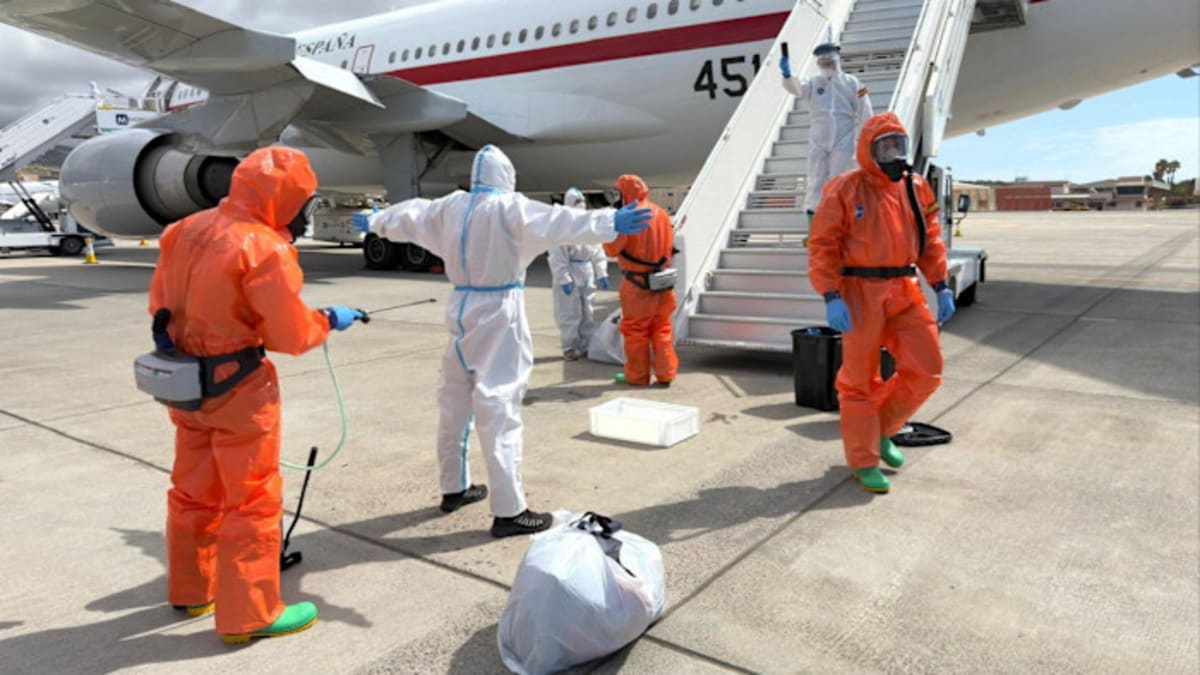
Health authorities in Canada have issued a health alert after a passenger aboard the expedition cruise ship MV Hondius tested positive for Andes hantavirus, a rare and potentially fatal pathogen primarily transmitted by rodents.
The case has prompted immediate public health investigations to assess potential exposure among fellow passengers and crew members, particularly given the Andes strain’s documented ability to spread between humans in rare instances.
What Happened
The MV Hondius, an expedition cruise vessel operating in South American waters, reported a presumptive positive case of Andes hantavirus in a passenger during routine health screening. The individual, who had recently traveled to regions where the virus is endemic, developed symptoms consistent with hantavirus pulmonary syndrome (HPS) while onboard.
Public health officials in Canada, in coordination with the cruise line and the vessel’s medical team, initiated contact tracing and risk assessment protocols. The patient was isolated and received supportive medical care, while exposed individuals were monitored for signs of infection.
Why Public Health Officials Are Concerned
Andes hantavirus is a zoonotic pathogen carried by rodents, particularly in South America, where it is most commonly reported. While hantavirus infections are rare globally, the Andes strain poses a unique public health challenge due to its potential for person to person transmission, a characteristic not shared by other hantavirus strains.
Health authorities emphasize that the virus can progress rapidly to HPS, a severe respiratory illness with a high fatality rate. Early symptoms, which often resemble flu like illness, can escalate within days, making prompt medical evaluation critical.
Symptoms or Risk Factors
Hantavirus infection typically begins with nonspecific symptoms that may include fever, chills, muscle aches, and fatigue. As the disease advances, patients may develop shortness of breath, cough, and fluid accumulation in the lungs, signaling the onset of HPS.
Exposure risk increases in environments where rodents are present, such as rural areas, poorly maintained buildings, or ships where rodent activity has been reported. Travelers to endemic regions in South America, particularly Chile and Argentina, should remain vigilant about hygiene and environmental exposure.
Who May Be Affected
While the general public faces a low risk of hantavirus infection, certain groups are at higher risk, including travelers to endemic regions, individuals with occupational exposure to rodents, and those in close contact with confirmed cases. Cruise ship passengers and crew members on the MV Hondius during the relevant travel period are being assessed for potential exposure.
Public health agencies have urged healthcare providers to consider hantavirus in the differential diagnosis for patients presenting with compatible symptoms and a history of travel to affected areas or contact with rodents.
Government or WHO Response
The Canadian public health agency, in collaboration with the World Health Organization (WHO) and regional health authorities, is conducting a comprehensive risk assessment to determine the scope of potential exposure. Cruise lines operating in South American waters have been advised to enhance sanitation protocols and rodent control measures.
The WHO has previously highlighted the role of climate change and urbanization in expanding rodent habitats, increasing the likelihood of zoonotic spillover events. Enhanced surveillance and rapid response systems remain priorities for global health security.
Prevention and Safety Guidance
Travelers and healthcare providers should follow these precautions to reduce hantavirus risk:
- Avoid direct contact with rodents, their urine, droppings, or nesting materials. Use wet cleaning methods with disinfectant when cleaning potentially contaminated areas.
- Store food securely and maintain clean environments to deter rodent infestations, particularly in accommodations and workplaces.
- Wear protective gear, including gloves and masks, when handling materials that may be contaminated by rodents.
- Seek immediate medical attention if symptoms such as fever, muscle pain, or respiratory distress develop, especially within weeks of potential exposure.
- Inform healthcare providers of recent travel history, particularly to regions where hantavirus is endemic or aboard high risk vessels.
What Readers Should Know
Hantavirus infections are uncommon but can have serious consequences. The Andes strain’s ability to spread between humans, though rare, underscores the importance of vigilance in high risk settings such as cruise ships and healthcare facilities.
While the risk to the general population remains low, travelers to endemic regions should prioritize hygiene and environmental awareness. Early diagnosis and supportive care are critical for improving outcomes in hantavirus cases.
Key Takeaways
- A presumptive positive case of Andes hantavirus has been reported in a passenger aboard the MV Hondius cruise ship.
- Andes hantavirus can cause hantavirus pulmonary syndrome (HPS), a severe respiratory illness with a high fatality rate.
- The virus can spread between humans in rare instances, increasing public health concerns.
- Travelers to endemic regions in South America should avoid rodent exposure and maintain strict hygiene.
- Healthcare providers should consider hantavirus in patients with compatible symptoms and relevant travel history.
Frequently Asked Questions
What is Andes hantavirus, and how is it transmitted?
Andes hantavirus is a zoonotic pathogen primarily carried by rodents in South America. It is transmitted through contact with rodent urine, droppings, or saliva, or in rare cases, through person to person spread.
What are the symptoms of hantavirus infection?
Early symptoms include fever, chills, muscle aches, and fatigue. As the disease progresses, patients may develop shortness of breath, cough, and fluid accumulation in the lungs, indicating hantavirus pulmonary syndrome (HPS).
How can travelers reduce their risk of hantavirus infection?
Travelers should avoid contact with rodents, maintain clean environments, store food securely, and use protective gear when handling potentially contaminated materials. Immediate medical evaluation is recommended for anyone developing symptoms.
Is there a vaccine or cure for hantavirus?
There is currently no vaccine or specific cure for hantavirus. Treatment focuses on supportive care, including oxygen therapy and intensive monitoring for severe respiratory complications.
What should healthcare providers do if they suspect a hantavirus case?
Healthcare providers should consider hantavirus in the differential diagnosis for patients with compatible symptoms and a history of travel to endemic regions or exposure to rodents. Prompt reporting to public health authorities is essential.
Medical Review: MedSense Editorial Board








DISCUSSION (0)
POST A COMMENT