What Happened
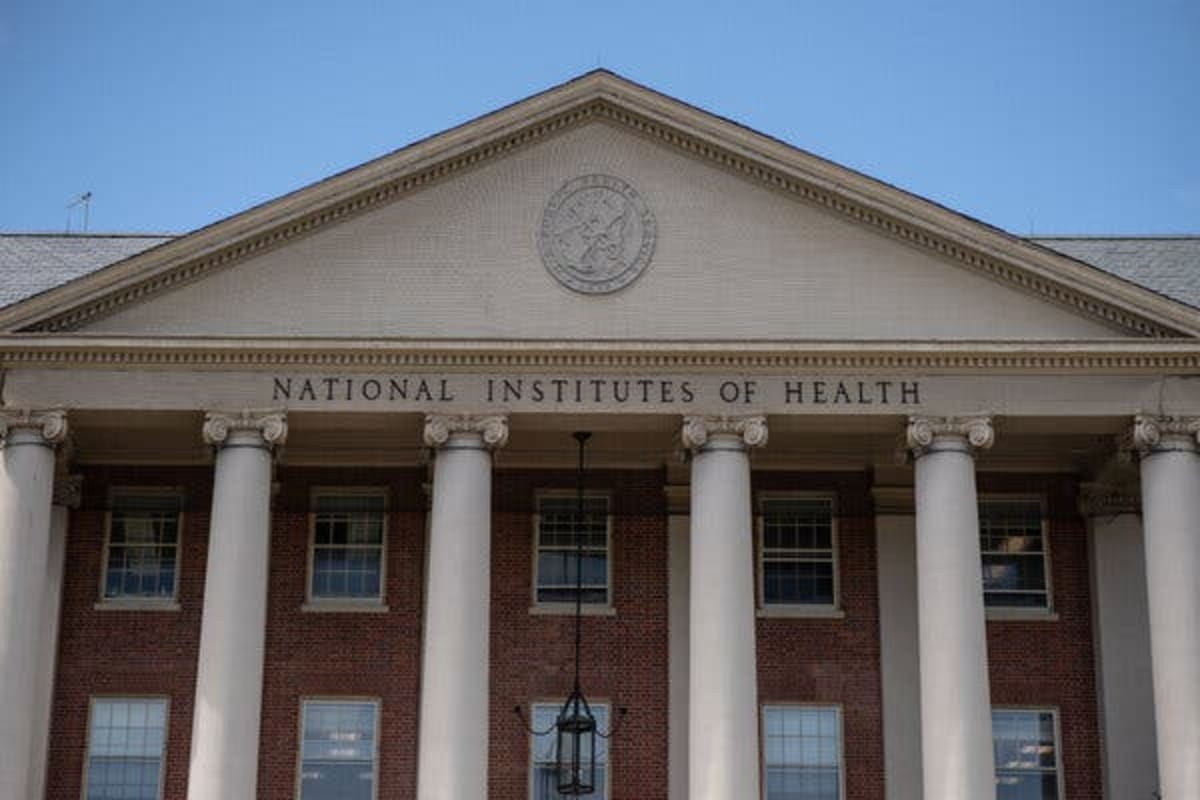
The National Institutes of Health (NIH) has awarded an additional $13.3 million in funding to a landmark study investigating the long term effects of wartime trauma on brain health and aging among Vietnamese Americans. The research, which began in 2021, initially focused on documenting the psychological and physical toll of trauma experienced by this community. With the new grant, the study will expand its scope to examine how trauma influences cognitive function, mental health, and the aging process over time. The project is led by researchers at the University of California, San Francisco, in collaboration with community organizations and academic institutions across the United States.
Why Does It Matter
Understanding the relationship between trauma and brain health is critical for addressing the silent epidemic of cognitive decline and mental health disorders in aging populations. Vietnamese Americans who lived through the Vietnam War represent one of the most extensively studied cohorts for trauma related research, yet their long term health outcomes remain under examined. This study could provide pivotal insights into how early life adversity reshapes brain structure and function decades later. The findings may also inform public health strategies for trauma informed care, particularly for refugee and immigrant communities globally. By identifying biomarkers of resilience or vulnerability, researchers hope to develop targeted interventions that promote healthy aging in trauma exposed individuals.
Who Does It Affect
The study primarily focuses on Vietnamese Americans who experienced wartime trauma during the Vietnam War era, including refugees and their descendants. The cohort includes individuals aged 50 and older, a demographic particularly vulnerable to age related cognitive decline and mental health conditions such as depression and post traumatic stress disorder (PTSD). The research also examines the intergenerational effects of trauma, exploring how experiences of war and displacement may influence the health of second generation Vietnamese Americans. Geographic regions of focus include major Vietnamese American communities in California, Texas, Washington, and Massachusetts, where large populations of trauma exposed individuals reside.
What Should I Do
For individuals who are part of the Vietnamese American community or have experienced trauma, participating in research can contribute to broader public health efforts. Those interested in joining the study or learning more about its findings can contact the research team through the University of California, San Francisco’s Department of Psychiatry. Clinicians and healthcare providers working with trauma exposed populations should consider integrating trauma informed care into their practice, prioritizing mental health screenings and cognitive assessments for older adults with a history of adversity. Policymakers and community leaders can advocate for increased funding for trauma research and mental health services tailored to aging refugee populations. Additionally, individuals can support their own brain health by adopting evidence based strategies such as regular physical activity, cognitive engagement, and stress reduction techniques like mindfulness or therapy.
What Don't We Know Yet
While the study aims to uncover critical insights, several key questions remain unanswered. Researchers are still determining the precise biological mechanisms linking trauma to cognitive decline, such as whether epigenetic changes or chronic inflammation play a role. The study’s findings may not be fully generalizable to other trauma exposed populations, as cultural, social, and historical contexts can vary widely. Additionally, the long term effectiveness of potential interventions identified through this research has yet to be tested. The team acknowledges that some participants may experience distress when revisiting traumatic memories, and they have implemented safeguards to ensure ethical participation. Further research is needed to explore how resilience factors, such as social support or cultural identity, may mitigate the negative effects of trauma on brain health.
Key Takeaways
- The NIH has awarded $13.3 million to expand a study on how wartime trauma affects brain health and aging in Vietnamese Americans.
- The research aims to identify mechanisms of resilience and potential interventions for cognitive decline in trauma exposed populations.
- The study focuses on Vietnamese Americans aged 50 and older, including refugees and their descendants, in major U.S. communities.
- Clinicians and policymakers are encouraged to adopt trauma informed care and advocate for mental health services for aging refugee populations.
- Key unknowns include the biological pathways linking trauma to cognitive decline and the generalizability of findings to other trauma exposed groups.
Frequently Asked Questions
Who is eligible to participate in this study?
The study primarily seeks Vietnamese Americans aged 50 and older who experienced wartime trauma during the Vietnam War era, including refugees and their descendants. Eligibility criteria may include a history of trauma exposure, residency in specific U.S. communities, and willingness to undergo cognitive and mental health assessments.
How will the study’s findings be used to improve public health?
The findings could inform trauma informed care practices, guide the development of interventions to promote brain health in aging populations, and influence policies aimed at supporting refugee and immigrant communities. Researchers hope to identify biomarkers of resilience or vulnerability that could lead to personalized treatment approaches.
What measures are in place to protect participants’ well being during the study?
The research team has implemented ethical safeguards, including trauma informed protocols, mental health support services, and informed consent processes. Participants can withdraw at any time, and their data will be kept confidential. The study has also been reviewed by institutional review boards to ensure ethical compliance.
Can the study’s findings be applied to other trauma exposed groups?
While the study focuses on Vietnamese Americans, its findings may offer insights into the long term effects of trauma on brain health in other populations. However, cultural, social, and historical factors unique to Vietnamese Americans may limit generalizability. Further research is needed to explore these questions in diverse trauma exposed communities.
Medical Review: MedSense Editorial Board


















DISCUSSION (0)
POST A COMMENT