What Happened
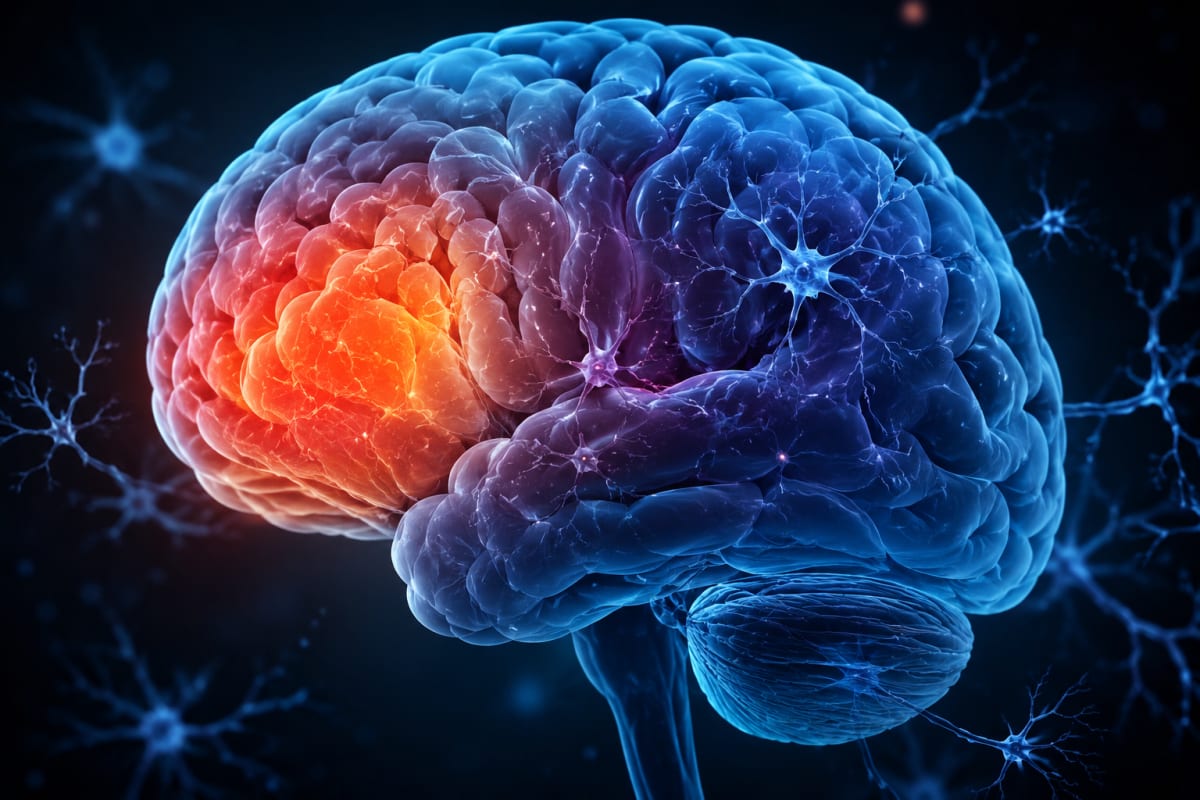
Researchers at Texas Children’s Duncan Neurological Research Institute and Baylor College of Medicine have identified new evidence explaining why certain brain regions are more susceptible to damage in neurological diseases. Despite the widespread presence of harmful proteins associated with conditions like Alzheimer’s and Parkinson’s, only specific areas of the brain typically degenerate. The study, published in *Genes & Development*, reveals that regional differences in cellular vulnerability, rather than the mere presence of toxic proteins, may determine where and how severely neurodegeneration occurs.
The team focused on understanding the molecular and genetic factors that make some brain tissues more resilient or susceptible to damage. Their findings suggest that variations in gene expression, cellular stress responses, or protective mechanisms could underlie these differences. This marks a significant shift from previous assumptions that neurodegeneration is solely driven by the accumulation of misfolded proteins.
Why Does It Matter
This research has profound implications for the diagnosis, treatment, and prevention of neurological diseases. For decades, scientists have struggled to explain why diseases like Alzheimer’s primarily affect the hippocampus and cerebral cortex, while Parkinson’s targets the substantia nigra. Understanding these regional vulnerabilities could lead to more precise therapies that protect the most at risk brain areas, potentially slowing disease progression or even preventing symptoms from emerging.
Beyond treatment, these findings could improve early detection. If certain brain regions are inherently more vulnerable, clinicians might monitor these areas more closely in high risk patients, enabling earlier intervention. The study also raises the possibility of developing drugs that enhance cellular resilience in vulnerable regions, offering a new strategy for combating neurodegeneration.
Who Does It Affect
This research directly impacts patients with neurodegenerative diseases, including Alzheimer’s, Parkinson’s, Huntington’s, and amyotrophic lateral sclerosis ALS. These conditions collectively affect millions of people worldwide, with symptoms ranging from memory loss and cognitive decline to movement disorders and paralysis. The study’s insights are particularly relevant for individuals with a family history of neurological disease, as genetic factors may influence regional brain vulnerability.
Caregivers and families of patients with these conditions may also find hope in these findings, as they could lead to more effective treatments and better management strategies. Additionally, the research has broader implications for aging populations, where the risk of neurodegeneration increases significantly.
What Should I Do
While this research is still in its early stages, there are practical steps individuals can take to support brain health and potentially reduce the risk of neurodegeneration:
- Stay Informed: Follow updates from reputable sources like the Alzheimer’s Association, Parkinson’s Foundation, or academic institutions conducting similar research. Knowledge about emerging treatments and preventive strategies can empower patients and families to make informed decisions.
- Adopt a Brain Healthy Lifestyle: Engage in regular physical exercise, maintain a balanced diet rich in antioxidants and omega 3 fatty acids, and prioritize mental stimulation through activities like reading, puzzles, or learning new skills. These habits are linked to better cognitive function and may help build resilience against neurodegeneration.
- Monitor Symptoms: If you or a loved one experience early signs of neurological disease, such as memory lapses, tremors, or changes in mood or coordination, consult a healthcare provider promptly. Early diagnosis can lead to better management and access to clinical trials for emerging therapies.
- Participate in Research: Consider enrolling in clinical trials or observational studies focused on neurological diseases. Organizations like the National Institutes of Health NIH or local research institutions often seek participants to advance scientific understanding and test new treatments.
- Advocate for Awareness: Support initiatives that fund neurological research and raise awareness about these conditions. Advocacy can drive policy changes, increase funding for studies like this one, and improve access to care for affected individuals.
What Don't We Know Yet
While this study provides critical insights, several questions remain unanswered. Researchers have not yet identified the precise molecular mechanisms that make certain brain regions more vulnerable. For example, it is unclear whether genetic mutations, environmental factors, or a combination of both drive these differences. Additionally, the study does not explain why some individuals with widespread toxic proteins never develop symptoms, while others progress rapidly.
Another gap in knowledge is how these findings translate into clinical applications. While the research suggests potential targets for therapy, it will take years of further study to develop and test drugs that can protect vulnerable brain regions. There is also uncertainty about whether these mechanisms apply uniformly across all neurological diseases or if each condition has unique vulnerabilities.
Ongoing research will likely explore these questions, with future studies focusing on larger patient populations and more detailed molecular analyses. Until then, the scientific community remains cautiously optimistic about the potential of these findings to transform neurological care.
Key Takeaways
- New research reveals that regional differences in brain tissue vulnerability, not just the presence of harmful proteins, drive neurodegeneration in diseases like Alzheimer’s and Parkinson’s.
- Understanding why certain brain areas are more susceptible to damage could lead to targeted therapies, earlier detection, and better prevention strategies for neurological diseases.
- Patients and families can support brain health by adopting lifestyle habits linked to cognitive resilience and staying informed about emerging research and clinical trials.
Frequently Asked Questions
Why do neurological diseases target specific brain regions?
Neurological diseases often damage specific brain regions due to differences in cellular resilience, genetic expression, or protective mechanisms. Harmful proteins may be present throughout the brain, but only certain areas are vulnerable to degeneration. This study suggests that regional factors, rather than the proteins alone, determine where damage occurs.
How could this research change the treatment of neurological diseases?
This research could lead to therapies that protect the most vulnerable brain regions, potentially slowing or preventing disease progression. It may also enable earlier detection by identifying high risk areas for closer monitoring in patients.
What can I do to reduce my risk of neurodegeneration?
Adopting a brain healthy lifestyle, such as regular exercise, a balanced diet, mental stimulation, and symptom monitoring, can support cognitive resilience. Staying informed about research and participating in clinical trials may also help advance treatment options.
Are these findings applicable to all neurological diseases?
While the study provides valuable insights, it is unclear whether the mechanisms apply uniformly across all neurological conditions. Each disease may have unique vulnerabilities, and further research is needed to confirm these findings in other contexts.
Medical Review: MedSense Editorial Board























DISCUSSION (0)
POST A COMMENT