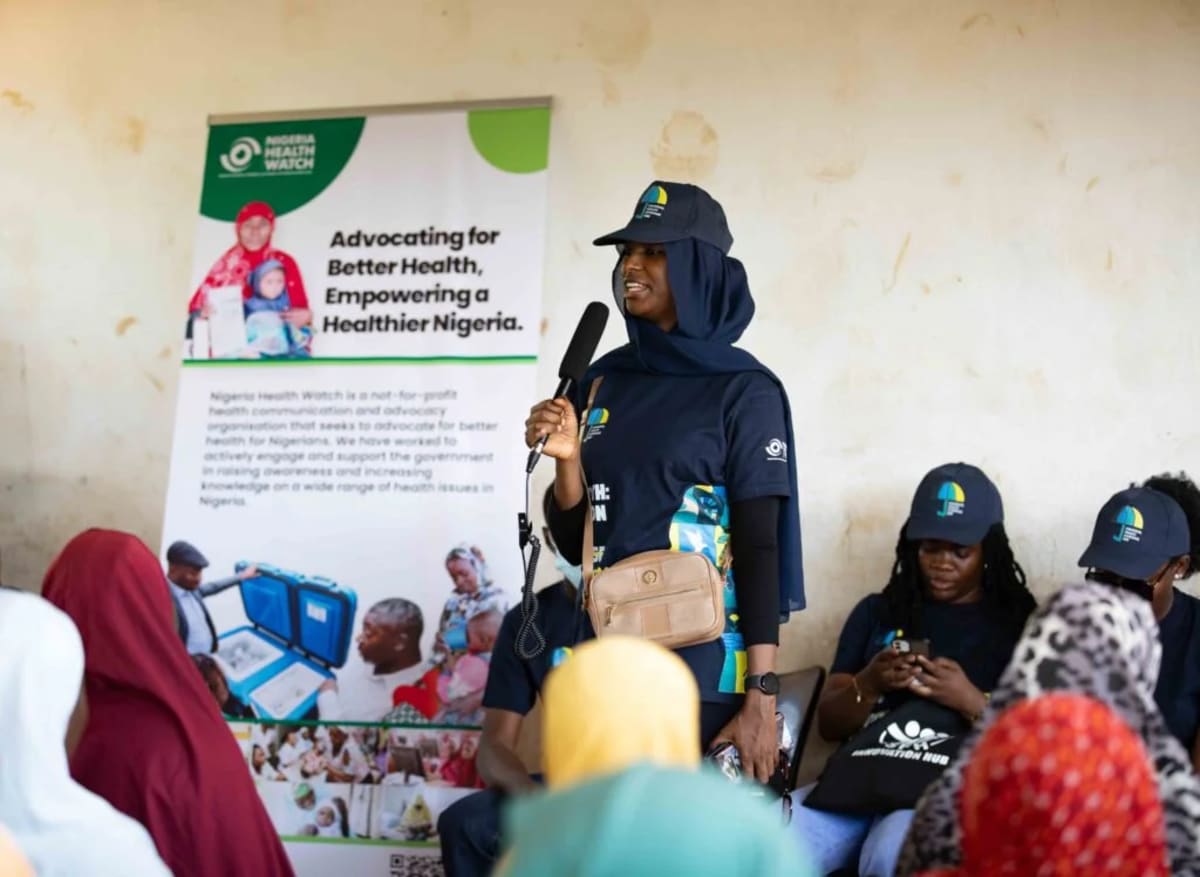
Nigeria’s maternal health crisis has long been one of the most urgent in sub Saharan Africa, with recent estimates placing maternal mortality at over 500 deaths per 100,000 live births. In response, a strategic alliance between MSD for Mothers, the global maternal health initiative of Merck & Co., Inc., and Nigeria Health Watch has emerged as a critical force in reshaping care delivery and policy. Since 2018, the partnership has focused on bridging gaps between communities, clinicians, and policymakers to create sustainable, equitable solutions.
What Happened
The collaboration between MSD for Mothers and Nigeria Health Watch was formalized in 2018 to address systemic failures in Nigeria’s maternal health system. Unlike traditional top down interventions, the initiative prioritizes grassroots engagement, integrating patient experiences with clinical and technological innovation. The partnership has since expanded its reach, engaging over 200 healthcare facilities and training more than 1,500 providers in underserved regions.
Why Public Health Officials Are Concerned
Nigeria’s maternal mortality rate remains among the highest in the world, driven by persistent barriers such as limited access to skilled birth attendants, weak supply chains, and cultural hesitancy to seek care. Public health leaders emphasize that isolated interventions, such as standalone training programs or infrastructure upgrades, rarely yield lasting change. The MSD for Mothers Nigeria Health Watch model addresses this by aligning community needs with systemic improvements, ensuring that solutions are both culturally appropriate and scalable.
Symptoms or Risk Factors
While maternal mortality itself is not a symptom, the underlying risk factors include:
- Inadequate prenatal and postnatal care due to geographic isolation or financial constraints.
- Delays in seeking care caused by misinformation, stigma, or lack of transportation.
- Shortages of essential medicines and medical supplies in rural clinics.
- Low awareness of danger signs during pregnancy and childbirth among women and families.
Who May Be Affected
The initiative targets several high risk groups:
- Women in rural and hard to reach communities, where maternal mortality rates are disproportionately high.
- Adolescent mothers, who face elevated risks of complications due to biological and socioeconomic factors.
- Healthcare workers in under resourced facilities, who often lack access to updated training or tools.
- Policymakers and health system leaders seeking evidence based strategies to reduce preventable deaths.
Government or WHO Response
The Nigerian government has included maternal health as a priority in its National Health Strategic Development Plan, with support from international partners like the World Health Organization (WHO) and UN agencies. The MSD for Mothers Nigeria Health Watch partnership aligns with these national efforts, providing technical assistance and data to inform policy decisions. WHO has highlighted the initiative as a case study in effective multi sectoral collaboration, noting its potential to inform similar programs across Africa.
Prevention and Safety Guidance
For women and families, the partnership advocates for:
- Early and consistent prenatal care, including regular check ups and screenings.
- Use of mobile health platforms to receive timely reminders and health education.
- Community based support networks to encourage care seeking behaviors and reduce delays.
- Advocacy for policies that expand access to skilled birth attendants and emergency obstetric care.
For healthcare providers, the initiative emphasizes:
- Continuous professional development, particularly in emergency obstetric and newborn care.
- Integration of digital tools, such as telemedicine and electronic health records, to improve coordination and data accuracy.
- Strengthening referral systems to ensure timely transfers to higher level facilities when complications arise.
What Readers Should Know
This partnership demonstrates that improving maternal health requires more than medical interventions, it demands systemic change. By centering the voices of women and families, the initiative ensures that solutions are responsive to real world needs. The use of real time data allows for adaptive strategies, while collaboration with innovators accelerates the adoption of scalable technologies. As the program enters its sixth year, its focus on equity and sustainability offers a replicable model for other nations facing similar challenges.
Key Takeaways
- Nigeria’s maternal mortality rate remains critically high, driven by systemic barriers such as limited access to care and weak health infrastructure.
- The MSD for Mothers Nigeria Health Watch partnership uses a community centered approach, integrating patient experiences with clinical and technological innovation.
- The initiative has trained over 1,500 healthcare workers and engaged 200+ facilities, demonstrating measurable progress in underserved regions.
- Real time data and multi sectoral collaboration are central to the model, ensuring solutions are both effective and scalable.
- The partnership aligns with Nigeria’s national health priorities and has been recognized by the WHO as a best practice for maternal health improvement.
Frequently Asked Questions
What is the maternal mortality rate in Nigeria, and how does it compare to global averages?
Nigeria’s maternal mortality rate is estimated at over 500 deaths per 100,000 live births, one of the highest in the world. This is significantly higher than the global average of approximately 210 deaths per 100,000 live births, according to the World Health Organization.
How does the MSD for Mothers Nigeria Health Watch partnership differ from traditional maternal health programs?
Unlike traditional top down programs, this partnership prioritizes grassroots engagement, integrating patient experiences with clinical and technological innovation. It focuses on systemic change by aligning community needs with policy and infrastructure improvements.
What role does data play in the partnership’s strategy?
The initiative leverages real time data to identify trends, monitor progress, and advocate for policy changes. This data driven approach ensures that interventions are targeted, measurable, and adaptable to evolving needs.
How can women in rural areas access the benefits of this partnership?
The partnership works with local healthcare facilities and community health workers to expand access to care. Mobile health platforms and telemedicine are used to provide education, reminders, and remote consultations, reducing barriers to care.
What is the long term vision for this initiative?
The partnership aims to scale its impact by deepening engagement with local stakeholders and ensuring that every Nigerian woman has access to safe, dignified maternal care. The model is designed to be replicable in other regions facing similar challenges.
Medical Review: MedSense Editorial Board









DISCUSSION (0)
POST A COMMENT