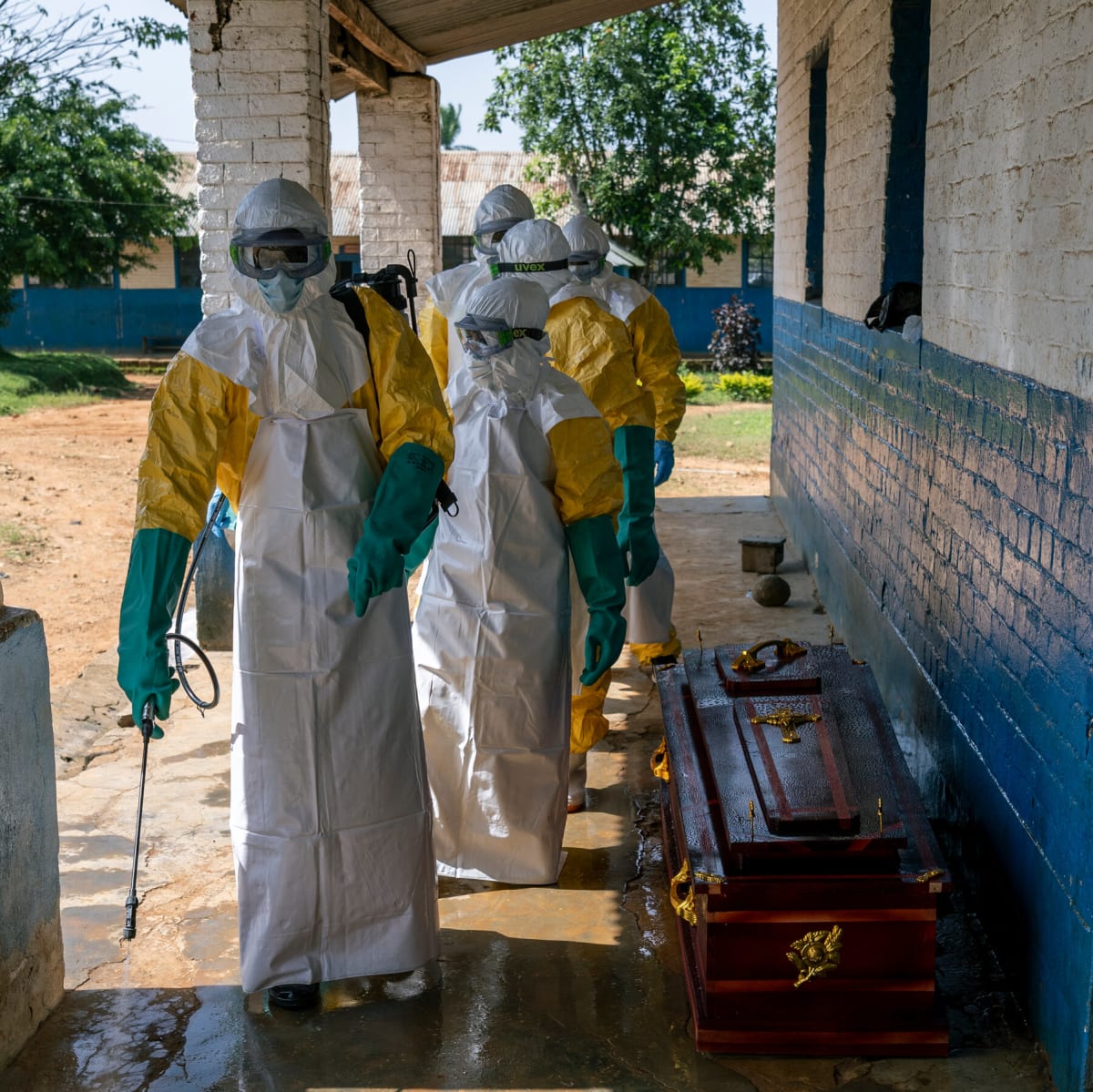
What Happened
The Bundibugyo virus, a member of the Ebolavirus genus, has resurfaced in Africa after more than a decade of relative obscurity. Previously documented in only two small outbreaks, one in Uganda in 2007 and another in the Democratic Republic of Congo in 2012, the virus is now driving a rapidly expanding epidemic. While exact case counts remain fluid due to reporting delays, health officials confirm the outbreak is no longer localized, with clusters appearing in multiple regions.
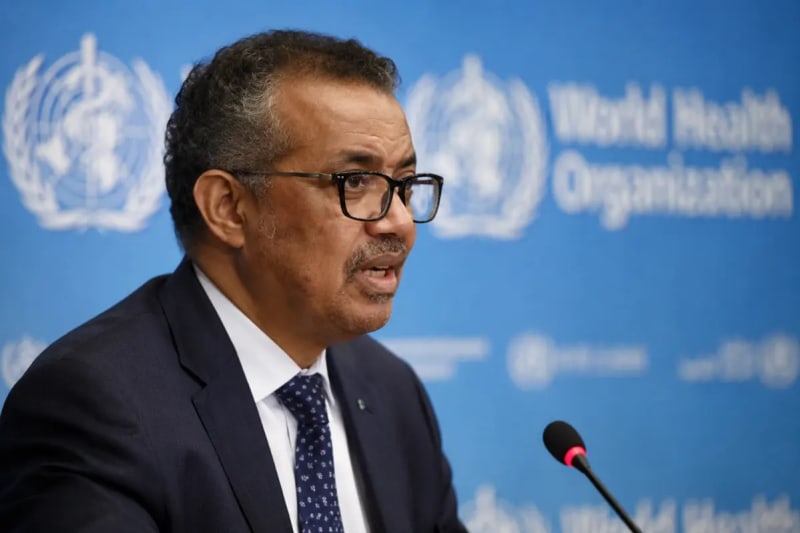
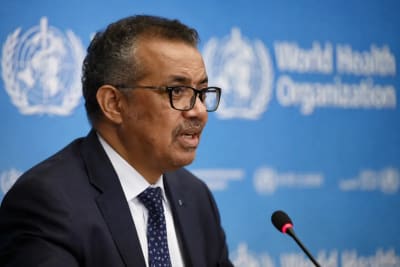
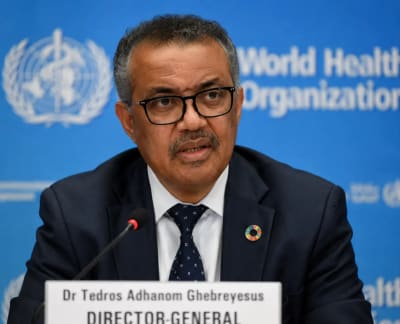
Unlike the more familiar Zaire ebolavirus, which caused the devastating 2014, 2016 West Africa epidemic, Bundibugyo has received far less research attention. This gap in knowledge complicates containment efforts, as diagnostic tools, vaccines, and treatments optimized for other Ebola strains may not be fully effective against this variant. The World Health Organization (WHO) has classified the situation as a high priority, urging accelerated surveillance and response measures.
Why Public Health Officials Are Concerned
The Bundibugyo virus presents a unique set of challenges that distinguish it from other Ebola strains. Its case fatality rate, while lower than Zaire ebolavirus, still hovers around 30 to 50 percent, making it a formidable threat. Early data suggest it may have a longer incubation period, which could delay symptom onset and allow undetected transmission. Additionally, its genetic divergence from other Ebola strains raises concerns about cross protection from existing vaccines and therapies.
Public health experts warn that the outbreak’s spread into densely populated areas increases the risk of exponential transmission. Healthcare systems in affected countries, already strained by previous Ebola outbreaks and ongoing conflicts, may struggle to mount an effective response. The WHO has highlighted the need for rapid genomic sequencing to track viral mutations and assess whether the virus is evolving in ways that could enhance its transmissibility or virulence.
Symptoms and Risk Factors
Bundibugyo virus shares many clinical features with other Ebola strains, including fever, severe headache, muscle pain, fatigue, and gastrointestinal symptoms such as vomiting and diarrhea. In later stages, patients may develop unexplained bleeding, organ failure, and shock. The virus spreads through direct contact with bodily fluids of infected individuals or contaminated surfaces, posing a significant risk to healthcare workers and family caregivers.
High risk groups include frontline healthcare workers, laboratory personnel handling samples, and individuals in close contact with confirmed cases. Traditional burial practices, which often involve direct contact with the deceased, have also been linked to transmission clusters in past outbreaks. Unlike airborne viruses, Ebola does not spread through casual contact, but its high lethality and potential for rapid spread make early detection and isolation critical.
Who May Be Affected
The current outbreak is concentrated in rural and peri urban areas of Central and East Africa, with confirmed cases reported in Uganda and the Democratic Republic of Congo. However, the movement of people across porous borders means the virus could easily spread to neighboring countries. Urban centers with overburdened healthcare systems are particularly vulnerable, as they may lack the infrastructure to implement rigorous infection control measures.
Travel related cases, while rare, remain a concern. The WHO has not issued any travel restrictions but advises travelers to affected regions to avoid contact with sick individuals and adhere to strict hygiene practices. Global health agencies are monitoring the situation closely, particularly in countries with direct air links to outbreak zones.
Government and WHO Response
The WHO has activated its Emergency Response Framework, coordinating with national health ministries to deploy rapid response teams, diagnostic laboratories, and medical supplies. Efforts are underway to scale up contact tracing, isolate suspected cases, and provide supportive care to patients. The Africa Centres for Disease Control and Prevention (Africa CDC) is also playing a key role, facilitating cross border collaboration and resource mobilization.
On the research front, scientists are evaluating the efficacy of existing Ebola vaccines, such as Ervebo (rVSV ZEBOV), against the Bundibugyo strain. While preliminary data suggest some level of cross protection, clinical trials are needed to confirm its effectiveness. Experimental treatments, including monoclonal antibody therapies, are being fast tracked for testing in affected regions. The WHO’s Research and Development Blueprint has prioritized Bundibugyo virus as a pathogen requiring urgent countermeasure development.
Prevention and Safety Guidance
For individuals in outbreak zones, the WHO recommends the following precautions:
- Avoid direct contact with blood, bodily fluids, or tissues of infected individuals or animals.
- Practice regular handwashing with soap and water or alcohol based hand sanitizers.
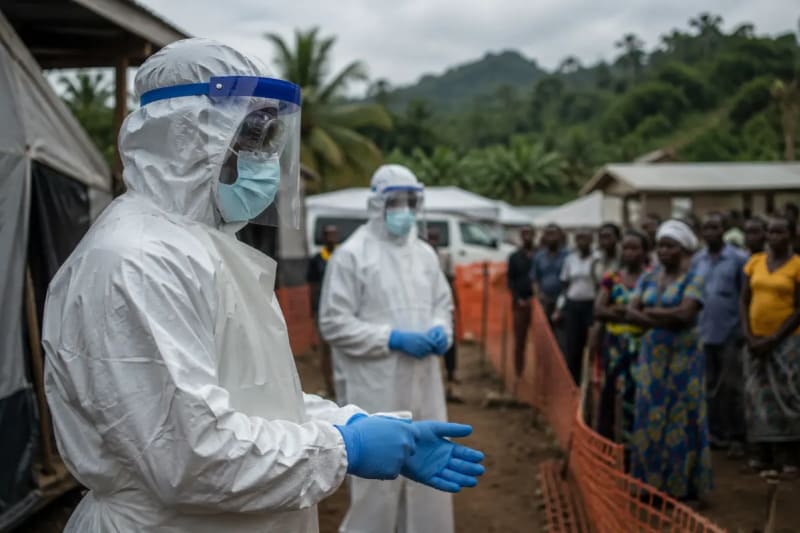
- Use personal protective equipment (PPE) when caring for sick individuals or handling potentially contaminated materials.
- Follow safe burial practices, ensuring that deceased individuals are handled by trained teams using proper infection control measures.
- Seek medical attention immediately if symptoms such as fever, headache, or unexplained bleeding develop.
Healthcare facilities are advised to implement strict infection prevention and control protocols, including isolation of suspected cases, use of PPE, and proper sterilization of medical equipment. Community engagement and education are critical to dispel myths and encourage early reporting of symptoms.
What Readers Should Know
The Bundibugyo Ebola outbreak underscores the unpredictable nature of viral threats and the importance of global preparedness. While the situation remains fluid, public health agencies are working to contain the virus before it gains a foothold in urban centers or spreads internationally. For now, the risk to most of the world’s population remains low, but vigilance is essential.
Readers in affected regions should stay informed through official health advisories and avoid misinformation. For those outside outbreak zones, the outbreak serves as a reminder of the interconnectedness of global health and the need for sustained investment in pandemic preparedness. The race to develop targeted vaccines and treatments for Bundibugyo virus is not just a scientific challenge, it is a moral imperative to protect vulnerable communities from preventable suffering.
Key Takeaways
- The Bundibugyo Ebola strain, previously rare, is driving a growing outbreak in Africa with a case fatality rate of 30 to 50 percent.
- Existing Ebola vaccines and treatments may offer partial protection, but clinical trials are urgently needed to confirm efficacy against this strain.
- Symptoms include fever, severe headache, vomiting, and unexplained bleeding, with transmission occurring through direct contact with bodily fluids.
- Healthcare workers and caregivers are at highest risk, and strict infection control measures are critical to preventing further spread.
- The WHO and Africa CDC are leading response efforts, including contact tracing, isolation, and accelerated research into countermeasures.
Frequently Asked Questions
How is Bundibugyo virus different from other Ebola strains?
Bundibugyo virus is genetically distinct from more well known Ebola strains like Zaire or Sudan ebolavirus. It has a lower case fatality rate but may have a longer incubation period, which could complicate early detection and containment efforts. Its divergence also raises questions about the effectiveness of existing vaccines and treatments.
Is there a vaccine for Bundibugyo virus?
Currently, there is no vaccine specifically approved for Bundibugyo virus. However, scientists are testing whether existing Ebola vaccines, such as Ervebo, provide cross protection. Clinical trials are underway to evaluate their efficacy against this strain.
What should I do if I suspect I’ve been exposed to Bundibugyo virus?
If you believe you’ve been exposed, seek medical attention immediately. Avoid contact with others and inform healthcare providers of your potential exposure before arriving at a facility. Early isolation and supportive care can significantly improve outcomes.
How can communities prevent the spread of Bundibugyo virus?
Prevention relies on strict infection control measures: avoiding direct contact with bodily fluids of infected individuals, practicing regular hand hygiene, using personal protective equipment when caring for the sick, and following safe burial practices. Community education and early reporting of symptoms are also critical.
Is travel to affected regions safe?
The WHO has not issued travel restrictions but advises travelers to affected areas to avoid contact with sick individuals, practice good hygiene, and monitor their health for symptoms. Travelers returning from outbreak zones should seek medical advice if they develop fever or other concerning symptoms within 21 days.
Medical Review: MedSense Editorial Board












DISCUSSION (0)
POST A COMMENT